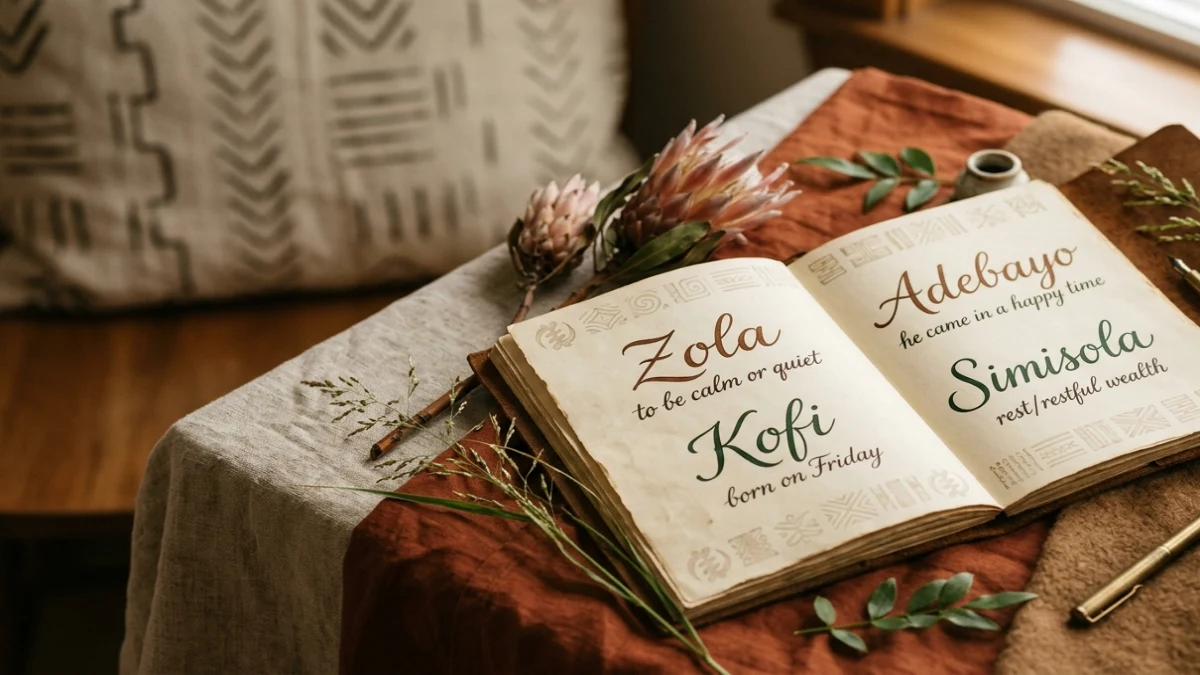
Choosing an African name can be a way to celebrate heritage, carry a family story forward, or give a child a name that feels meaningful long after childhood. Across Africa, names can express joy, faith, gratitude, family history, birth circumstances, and hopes for the future.
Some names feel soft and lyrical, like Zuri and Ayo. Others carry a sense of strength and history, like Jabari, Azubuike, and Kwame. Still others are complete expressions of love, faith, or thanksgiving.
The beauty lies in the diversity. A Yoruba name from Nigeria, a Swahili name from East Africa, an Akan name from Ghana, and a Zulu name from South Africa may have entirely different linguistic roots and cultural significance.
This guide brings together beautiful African names for girls, boys, and gender neutral naming styles, with meanings, origins, pronunciation guidance, cultural context, and practical advice to help you find a name that feels right.
Featured snippet:
African names are personal names drawn from the many languages, cultures, and naming traditions of Africa. They may express love, joy, faith, gratitude, birth order, the day a child was born, or a family’s hopes for the future. Popular examples include Zuri, meaning “beautiful” in Swahili; Ayo, meaning “joy” in Yoruba; and Jabari, meaning “brave one” in Swahili name references. Meanings and usage vary by language and community.
Behind the Name
Understanding African names and their cultural roots
African names are not one single naming system. They come from a vast range of languages, including Yoruba, Igbo, Akan, Swahili, Zulu, Xhosa, Amharic, Somali, Hausa, and many others. Names may also reflect Islamic, Christian, Indigenous, and blended family traditions.
In many communities, a name is more than a pleasant sound. It can preserve a connection to ancestors, commemorate a meaningful event, express a religious belief, or tell part of a family’s story. Researchers studying African naming practices have documented how names connect personal identity with family, community, and social change.
Cambridge Core
A quick guide to naming traditions
| Tradition or language | Naming character | Examples |
| Yoruba — Nigeria and neighboring communities | Often expressive names connected to joy, faith, family, and circumstances | Ayo, Ayomide, Ayodele |
| Igbo — Nigeria | Names can express beliefs, gratitude, family history, and spiritual ideas | Azubuike, Chidera |
| Akan — Ghana and neighboring communities | Day names are an important tradition; names may also reflect birth order and family history | Kwame, Kofi, Ama |
| Swahili — East Africa | Includes names associated with peace, faith, joy, and other meaningful concepts | Amani, Imani, Zuri |
| Zulu and Xhosa — Southern Africa | Names can reflect circumstances, expectations, family experiences, and qualities | Ayanda, Thandiwe, Sipho |
| Somali — Horn of Africa | Naming traditions include Islamic influences and distinctive family naming conventions | Amina, Ayaan, Abdirahman |
These are introductory examples, not exhaustive descriptions of each culture. A name’s exact meaning, gender usage, and pronunciation should be checked within its specific language and community.
Behind the Name
Beautiful African names at a glance
The following shortlist is a useful starting point if you want a name with a meaningful association, an appealing sound, and a clear cultural connection.
| Name | Meaning or association | Origin | Overall feel |
| Zuri | Beautiful | Swahili | Elegant, bright, modern |
| Amani | Peace | Swahili | Calm, balanced, timeless |
| Imani | Faith | Swahili | Gentle, thoughtful, spiritual |
| Ayo | Joy | Yoruba | Short, warm, lively |
| Ayomide | My joy has arrived | Yoruba | Expressive, celebratory |
| Amara | Meaning varies by language; used in Igbo contexts with a grace related meaning | Igbo and other traditions | Soft, elegant, international |
| Jabari | Brave one | Swahili name references | Bold, confident |
| Kwame | Saturday born day name | Akan | Classic, culturally grounded |
| Kofi | Friday born day name | Akan | Familiar, strong, distinctive |
| Sipho | Gift | Zulu | Warm, simple, meaningful |
| Thandiwe | Beloved | Nguni languages, including Zulu and Xhosa usage | Romantic, graceful |
| Azubuike | The past is your strength; also rendered as “your back is your strength” | Igbo | Deep, distinctive, heritage rich |
Meanings are based on name reference entries and may have spelling or interpretation variants. The descriptions in the final column are editorial impressions, not traditional beliefs about personality.
Behind the Name
African names for girls

African girl names range from short, contemporary choices to elaborate names rich in family history and spiritual meaning. If you love names that sound graceful but still carry substance, begin with names connected to beauty, joy, grace, love, and belonging.
The meanings below distinguish documented linguistic meanings from subjective impressions of how a name sounds or feels.
1. Zuri
Swahili · Feminine use · Pronunciation: ZOO ree
Meaning: Beautiful.
The vibe: Chic, bright, and effortlessly modern. Zuri has a compact, memorable shape that works well across many English speaking settings.
Best for: Parents who want a short name with an elegant, contemporary feel.
Nicknames: Zu, Zuzu.
Style: Modern, minimalist, internationally wearable.
Behind the Name
2. Amani
Swahili · Used across genders · Pronunciation: ah MAH nee
Meaning: Peace.
The vibe: Gentle, grounded, and quietly confident. Its flowing vowels create a calm impression without making the name feel overly delicate.
Best for: Families drawn to peaceful meanings and names that feel equally comfortable on a child or an adult.
Nicknames: Ami, Mani.
Style: Timeless, soft, meaningful.
Behind the Name
3. Amara
Igbo · Feminine use in this tradition · Pronunciation: ah MAH rah
Meaning: Grace in Igbo.
The vibe: Refined, romantic, and polished. Amara feels familiar internationally while retaining a documented Igbo connection.
Best for: Parents seeking an elegant name that is easy to spell in many English speaking contexts.
Nicknames: Ama, Mara.
Style: Soft luxury, classic modern. The name also occurs in other linguistic traditions, so its meaning depends on the intended origin.
Behind the Name
4. Ayomide
Yoruba · Feminine and masculine use · Pronunciation varies by speaker
Meaning: My joy has arrived.
The vibe: Joyful, expressive, and deeply personal. Unlike a short aesthetic name, Ayomide carries a complete sentiment of welcome and celebration.
Best for: Families who want a name that tells a story about a child’s arrival.
Nicknames: Ayo, Mide.
Style: Meaning rich, culturally grounded, warmly distinctive.
Behind the Name
5. Adaeze
Igbo · Feminine · Pronunciation varies regionally
Meaning: Eldest daughter of the king.
The vibe: Regal, assured, and distinctive. Its royal association comes from the documented meaning rather than a modern personality stereotype.
Best for: Families who love heritage rich names with a dignified sound.
Nicknames: Ada, Eze (if welcomed by the family).
Style: Traditional, elegant, strong.
Behind the Name
6. Thandiwe
Nguni languages, including Zulu and Xhosa usage · Feminine
Meaning: Beloved.
The vibe: Warm, lyrical, and mature. Thandiwe has a more traditional rhythm than Zuri or Amara, which gives it a distinctive sense of heritage.
Best for: Parents who value a name that communicates affection and cultural continuity.
Nicknames: Thandi.
Style: Classic, romantic, heritage rich.
Behind the Name
More beautiful African girl names
| Name | Language or origin | Meaning or association | Overall feel |
| Abeni | Yoruba | We prayed and we received | Hopeful, expressive |
| Abiola | Yoruba | Born into wealth | Elegant, aspirational |
| Amaka | Igbo | Short form of Chiamaka | Friendly, modern |
| Amarachi | Igbo | God’s grace | Spiritual, lyrical |
| Akosua | Akan | Born on Sunday | Traditional, distinctive |
| Ama | Akan | Born on Saturday | Short, warm |
| Adwoa | Akan | Born on Monday | Classic, culturally grounded |
| Anuli | Igbo | Joy | Bright, understated |
| Asemahle | Xhosa | They are beautiful | Expressive, distinctive |
| Amahle | Zulu | The beautiful ones | Contemporary, melodic |
| Amina | Arabic; also used in Swahili and Hausa contexts | Safe, secure | Timeless, graceful |
| Ayanda | Zulu, Xhosa, Ndebele | They are increasing | Strong, optimistic |
Behind the Name
A useful distinction: Some names have a meaning associated with an entire phrase or a family circumstance. Others, such as Amina, have Arabic linguistic roots but are well established in African communities. Both belong in a broad exploration of African names, but they should not be described as having the same origin.
African names for boys

For boys, African naming traditions offer everything from concise, confident names to longer names that communicate gratitude, family identity, or faith. The best choice depends on If you prefer a name with a strong one word meaning, a traditional birth association, or a more expressive personal story.
1. Jabari
Swahili name reference · Masculine · juh BAH ree (approximate)
Meaning: Brave one.
The vibe: Bold, adventurous, and confident. The strong consonants give Jabari a powerful sound without making it feel harsh.
Best for: Parents who want a memorable name associated with courage.
Nicknames: J, Bari.
Style: Modern classic, energetic.
Behind the Name
2. Kwame
Akan · Masculine · Pronunciation varies by Akan language variety
Meaning: A name traditionally associated with a boy born on Saturday.
The vibe: Assured, classic, and historically resonant. Kwame is especially meaningful for families connected to Akan heritage.
Best for: Parents who appreciate names linked to a particular day of birth and cultural identity.
Nicknames: Kwams, K.
Style: Traditional, distinctive, heritage rich.
Wikipedia
3. Kofi
Akan · Masculine · Friday born day name
Meaning: Traditionally associated with a boy born on Friday.
The vibe: Friendly, concise, and self assured. Its two syllables make it easy to remember, while its cultural roots give it depth.
Best for: Families who want a relatively short name with a meaningful Akan connection.
Nicknames: Ko, Fi.
Style: Classic, approachable, enduring.
Wikipedia
4. Azubuike
Igbo · Masculine · Seek a fluent speaker for precise pronunciation
Meaning: The past is your strength, also rendered as “your back is your strength.”
The vibe: Reflective, substantial, and rooted in family history. It offers a deeper narrative than names chosen primarily for their sound.
Best for: Families who value ancestral connection and a name with a layered meaning.
Nicknames: Zub, Ike, depending on family preference.
Style: Traditional, distinctive, powerful.
Behind the Name
5. Ayodele
Yoruba · Masculine and feminine use in references
Meaning: Joy has come home.
The vibe: Welcoming, optimistic, and expressive. It connects the child’s arrival with happiness returning to the family.
Best for: Parents who want an emotionally rich name that celebrates home and belonging.
Nicknames: Ayo, Dele.
Style: Meaningful, traditional, warm.
Behind the Name
6. Sipho
Zulu · Masculine use · Pronunciation varies by speaker
Meaning: Gift.
The vibe: Simple, heartfelt, and quietly memorable. Sipho expresses gratitude without needing a long name to communicate its sentiment.
Best for: Parents who want a concise name whose meaning is easy to explain.
Nicknames: Sips, though the full name works naturally on its own.
Style: Understated, traditional, meaningful.
Behind the Name
More African boy names
| Name | Origin | Meaning or association | Style |
| Adebayo | Yoruba | The crown meets joy | Regal, expressive |
| Babatunde | Yoruba | Father has come again | Ancestral, traditional |
| Adewale | Yoruba | The crown has come home | Dignified, meaningful |
| Ayodeji | Yoruba | Joy has become two | Joyful, distinctive |
| Akachi | Igbo | The hand of God | Spiritual, strong |
| Amadi | Igbo | Freeborn man | Classic, grounded |
| Kwabena | Akan | Born on Tuesday | Traditional, culturally rooted |
| Kojo | Akan | Monday born name | Short, friendly |
| Bakari | Swahili | Listed as a name associated with the constellation Boötes | Distinctive, bold |
| Ayabonga | Zulu | They are thankful | Expressive, gratitude centered |
| Andile | Zulu, Xhosa, Ndebele | They have increased | Strong, optimistic |
| Akwasi | Akan | Sunday born name | Traditional, distinctive |
Behind the Name
Gender neutral African names
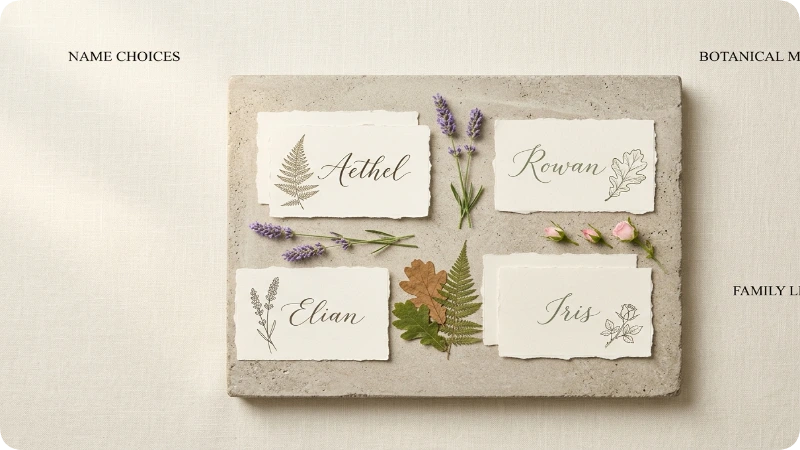
If you prefer a name that does not feel strongly tied to one gender, several African names are documented as being used for more than one gender. Usage can still vary by family, country, and language community, so check how a name is understood in the particular culture you want to honor.
| Name | Origin | Meaning | Naming appeal |
| Ayo | Yoruba | Joy | Short, bright, flexible |
| Amani | Swahili | Peace | Calm, contemporary |
| Ayomide | Yoruba | My joy has arrived | Personal, expressive |
| Ayanda | Zulu, Xhosa, Ndebele | They are increasing | Strong, optimistic |
| Andile | Zulu, Xhosa, Ndebele | They have increased | Grounded, distinctive |
| Akachi | Igbo | The hand of God | Spiritual, memorable |
| Bahati | Swahili | Luck, good fortune | Cheerful, melodic |
| Baako | Akan | Firstborn child | Compact, heritage rich |
| Amahle | Zulu | The beautiful ones | Soft, contemporary |
Behind the Name
Naming tip: Gender neutral in a name reference does not automatically mean universally unisex. If you want a name that will feel natural within a specific community, local usage is more informative than an international baby name list.
African names by meaning and emotional style
Sometimes the meaning matters more than the region or the number of syllables. If you know the feeling you want a name to communicate, narrowing the search becomes much easier.
African names that mean joy, happiness, or celebration
Names associated with joy are especially meaningful for families who see a child’s arrival as a moment of celebration.
- Ayo — Yoruba, “joy.” Short, lively, and easy to remember.
- Ayomide — Yoruba, “my joy has arrived.” A more personal, expressive choice.
- Ayodele — Yoruba, “joy has come home.” Warm and connected to belonging.
- Ayodeji — Yoruba, “joy has become two.” A distinctive option with a celebratory association.
- Anuli — Igbo, “joy.” Compact, gentle, and meaningful.
These meanings are documented in name references; the descriptions of their sound and emotional tone are editorial impressions.
Behind the Name
African names associated with peace, faith, and blessing
If you prefer a spiritual or reflective meaning, consider names associated with peace, faith, gratitude, and divine care.
| Name | Origin | Meaning or association |
| Amani | Swahili | Peace |
| Imani | Swahili | Faith |
| Amarachi | Igbo | God’s grace |
| Akachi | Igbo | The hand of God |
| Ayabonga | Zulu | They are thankful |
| Bahati | Swahili | Luck, good fortune |
| Amina | Arabic, also used in African communities | Safe, secure |
Behind the Name
How to choose: Amani and Imani feel concise and understated. Amarachi and Akachi have a more explicitly spiritual association. Amina is a particularly useful option if you want a name that connects Arabic linguistic heritage with established usage in African communities.
African names associated with beauty, grace, and elegance
For parents drawn to soft, polished names, these options offer a balance between sound and meaning.
- Zuri — Swahili, “beautiful.” Compact and contemporary.
- Amara — Igbo, “grace.” Smooth, romantic, and internationally familiar.
- Amahle — Zulu, “the beautiful ones.” Melodic and distinctive.
- Adaeze — Igbo, “eldest daughter of the king.” Regal and heritage rich.
- Thandiwe — used in Nguni languages, including Zulu and Xhosa; “beloved.” Warm and lyrical.
- Abiola — Yoruba, “born into wealth.” Elegant and aspirational in sound.
Behind the Name
Beauty, grace, royalty, and affection are different naming ideas. A name may have a documented meaning related to one of them while creating a different emotional impression when spoken aloud.
African names associated with strength and courage
If you prefer a name with a confident, grounded sound, consider:
- Jabari — associated with bravery in Swahili name references.
- Azubuike — Igbo, “the past is your strength,” with an alternative rendering referring to one’s back as one’s strength.
- Kwame — an Akan Saturday born day name with a strong cultural and historical identity.
- Andile — used in Zulu, Xhosa, and Ndebele; “they have increased.”
- Adebayo — Yoruba, “the crown meets joy.”
- Adekunle — Yoruba, “the crown has filled the home.”
Behind the Name
A name does not determine a child’s personality. Still, parents may choose one as an expression of the qualities, memories, or hopes they want the name to represent.
African names by region and language
A region based approach is one of the most useful ways to discover names without losing sight of their cultural roots. Rather than treating all African names as interchangeable, start with a language or community that matters to your family.
West African names
Yoruba, Igbo, Akan, Ewe, Hausa, and many other traditions offer different naming systems and meanings.
Names to explore: Ayo, Ayomide, Abeni, Adaeze, Azubuike, Kwame, Kofi, Akosua.
East African names
Swahili, Ganda, Luo, and other language traditions offer names linked to joy, faith, birth circumstances, and family history.
Names to explore: Amani, Zuri, Imani, Bahati, Babirye, Akinyi.
Southern African names
Zulu, Xhosa, Tswana, Shona, and other traditions include names that may express gratitude, expectations, beauty, family circumstances, or growth.
Names to explore: Sipho, Thandiwe, Ayanda, Andile, Amahle, Amogelang.
Horn of Africa and northeastern traditions
Somali, Amharic, Oromo, and other languages have distinct naming conventions. Arabic and religious influences are important in some communities, but practices differ widely.
Names to explore: Amina, Ayaan, Abdirahman, and names specific to the family’s language and heritage.
Behind the Name
Why language matters more than a broad regional label
Two names may both be described as African yet differ completely in pronunciation, grammar, cultural significance, and appropriate usage. Even neighboring communities can use similar looking names differently.
For Yoruba names, for example, tone marks can be important to the written form and meaning. A name’s spelling in an international list may not preserve every linguistic distinction. When accuracy matters, confirm the name’s original form with a reliable language source or fluent speaker.
NameOrigins
African names with religious or spiritual significance
African naming traditions include Muslim, Christian, Indigenous, and blended religious practices. Religion alone does not determine a name’s origin: a name may belong to a particular language and also carry religious meaning, or it may originate in another language and become widely used in African communities.
| Naming interest | Names to explore | Important context |
| Faith and spiritual devotion | Imani, Akachi, Amarachi | These have documented meanings connected to faith or God in their respective traditions |
| Peace and security | Amani, Amina | Amani is Swahili for peace; Amina has Arabic roots associated with safety and security |
| Gratitude | Ayabonga | A Zulu name meaning “they are thankful” |
| Family and ancestry | Babatunde, Ayodele | Yoruba names that express return, family, home, or joy |
| Birth day traditions | Kwame, Kofi, Ama, Akosua | Akan names associated with particular days of the week |
Behind the Name
If you are choosing a name for religious reasons, look beyond a short English translation. Check If the name is appropriate within your faith tradition, If it has a relevant scriptural or historical association, and how it is used in your family or community.
How to choose the right African name
A beautiful name is only the beginning. The strongest choice is one that fits your family’s values, sounds good in everyday life, and remains meaningful as the child grows.
1. Start with the meaning you want to preserve
Choose one central idea before collecting names.
- Joy and celebration: Ayo, Ayomide, Ayodele.
- Faith and gratitude: Imani, Amarachi, Ayabonga.
- Beauty and elegance: Zuri, Amara, Amahle.
- Strength and history: Jabari, Azubuike, Kwame.
- Family and belonging: Ayodele, Adewale, Babatunde.
A clear starting point makes the search less overwhelming and gives you a reason to love a name beyond its appearance.
2. Decide how closely you want to follow a specific tradition
If you are honoring Yoruba, Igbo, Akan, Swahili, Zulu, Xhosa, or another heritage, begin with names from that language.
If you are exploring African names more broadly, you can still make an informed choice. Just learn the name’s specific roots instead of assuming that every name from the continent shares the same customs or meaning.
3. Say the name aloud with the surname
Try the full name in ordinary situations:
- Calling the child across a room.
- Introducing them formally.
- Writing their full name on a school form.
- Pairing the name with a middle name.
- Imagining how it sounds in adulthood.
A short first name such as Ayo or Zuri may balance a longer surname. A longer name such as Ayomide or Amarachi may create a more rhythmic combination with a short surname.
These are sound based suggestions rather than cultural rules.
4. Think about nicknames without losing the original name
A longer name may give a child several ways to express their identity as they grow.
| Full name | Possible short forms |
| Ayomide | Ayo, Mide |
| Amarachi | Ama, Mara |
| Adewale | Ade, Wale |
| Ayodele | Ayo, Dele |
| Azubuike | Ike, Zub |
| Thandiwe | Thandi |
| Amani | Ami, Mani |
| Zuri | Zu, Zuzu |
These are suggested everyday nicknames, not necessarily traditional diminutives in the names’ original languages. Ask family members or fluent speakers about established local forms when that distinction matters.
5. Check cultural fit, pronunciation, and spelling
Before making a final choice, verify:
- The original spelling and diacritics, where applicable.
- The meaning in the intended language.
- If the name is traditionally gendered or used across genders.
- If it has a specific birth order, religious, or family association.
- How speakers of that language pronounce it.
- If your preferred spelling changes the name’s meaning.
This step is particularly important for names shared by several cultures or names whose meanings are frequently simplified in online baby name lists.
Comparing the best African names for different styles
If several names appeal to you, compare their overall feel rather than searching for a single universally “best” name.
| If you want… | Strong starting choices | Why they may fit |
| Short and stylish | Zuri, Ayo, Ama | Compact, easy to remember |
| Soft and elegant | Amara, Amani, Thandiwe | Flowing sounds and gentle associations |
| Bold and confident | Jabari, Kwame, Azubuike | Strong sound or substantial cultural meaning |
| Spiritual and meaningful | Imani, Amarachi, Akachi | Faith related associations |
| Joyful and celebratory | Ayo, Ayomide, Ayodele | Direct connections to joy and welcome |
| Traditional and heritage rich | Adaeze, Kofi, Akosua | Distinctive ties to particular languages and customs |
| Gender flexible | Ayo, Amani, Ayomide | Documented use across genders in the relevant references |
Which names feel the most elegant?
a modern, minimalist aesthetic, Zuri and Ayo are strong candidates because they are short and memorable.
For a softer, more lyrical impression, Amara and Thandiwe may appeal more.
A regal association supported by a documented meaning, Adaeze is a particularly interesting choice.
These are subjective style judgments, not objective measures of beauty, popularity, or cultural status.
Which names feel the most distinctive?
A distinctive name does not have to be difficult to pronounce. You might prefer a familiar sounding name with a less familiar cultural origin, such as Amara, or a more visibly heritage specific name, such as Azubuike.
Distinctiveness also depends on where the name will be used. A name that feels unusual internationally may be common within its home community, so avoid equating unfamiliarity with rarity.
What about lucky numbers, lucky colors, gemstones, and zodiac signs?
These details can be fun when choosing a name for a naming board, keepsake, or family celebration, but they require a different standard of evidence.
There is no single, verified set of lucky numbers, colors, gemstones, or zodiac signs attached to every African name. Such associations may come from a family’s beliefs, a particular religious tradition, a numerology system, or modern naming websites.
If you enjoy numerology or symbolic colors, treat them as optional personal associations rather than established etymological facts or predictions about a child’s future.
Frequently asked questions about African names
What are the most beautiful African names?
Names such as Zuri, Amara, Amani, Ayomide, Jabari, and Thandiwe are appealing choices for different reasons. Zuri is concise and contemporary, Amara has a graceful sound, Amani is associated with peace, and Ayomide expresses joy. The best choice depends on the meaning, sound, and cultural tradition you value.
What are some rare African names with beautiful meanings?
Consider names such as Abeni, Akachi, Anuli, Asemahle, and Azubuike. They have documented linguistic meanings and distinctive sounds. However, rarity depends on the country, community, and generation; a name that is unfamiliar to an international audience may be well established locally.
Behind the Name
What are some short African names?
Ayo, Ama, Kofi, Kojo, Zuri, and Sipho are useful starting points. Their origins and meanings differ, but all are relatively compact names. If simplicity is important, check the pronunciation and the name’s fit with your surname as well as its length.
Are African names suitable for children growing up outside Africa?
Yes. Many families in the African diaspora choose heritage names to maintain a connection with their ancestry, language, or community. A useful approach is to learn the name’s meaning and pronunciation, consider how it will be used in your local environment, and decide which cultural connections you want the name to preserve.
Are all African names traditional or religious?
No. African names come from many linguistic and cultural traditions, including Indigenous, Muslim, Christian, secular, and blended naming practices. Some commemorate birth circumstances or family events; others are drawn from everyday vocabulary or religious ideas. Modern naming choices are also shaped by migration, family preferences, and changing social conventions.
Behind the Name
Can I choose an African name if I do not have African ancestry?
You can appreciate names from other cultures, but it is worth understanding their context before choosing one. Research the specific language and community, avoid treating sacred or culturally restricted names as generic aesthetic choices, and consult knowledgeable speakers when possible. If the name is intended to honor a particular heritage, explain that connection thoughtfully.
Do African names have lucky numbers or gemstones?
Not universally. A name’s documented linguistic meaning is different from a numerology interpretation or a modern lucky color association. You can use symbolic details for personal enjoyment, but there is no reliable universal system that assigns every African name a particular gemstone, lucky day, or zodiac sign.
Conclusion:
The most meaningful African names do more than sound beautiful. They can hold joy, faith, family history, gratitude, belonging, and hopes for a new life.
If you love short, contemporary names, begin with Zuri or Ayo.
If you prefer a soft and elegant sound, explore Amara or Amani.
If you want a name with a strong heritage connection, consider Adaeze, Kwame, or Azubuike. And if you want a name that celebrates a child’s arrival, Ayomide and Ayodele offer especially expressive meanings.
Take your time, learn the story behind your favorite names, and listen to how they sound when spoken aloud. The right name is not necessarily the rarest or most fashionable one. It is the one whose meaning, cultural roots, and everyday sound feel right for the person who will carry it.
The strongest long term SEO strategy is to make this article a genuinely useful discovery hub, then connect it to focused, well researched pages for individual languages and naming traditions. That creates a better experience for readers while giving search engines a clearer understanding of the site’s topical coverage.

Amara uncovers the hidden history, origins, and meanings behind names. She curates Namestylo’s historical, cultural, and baby naming guides to ensure every suggestion carries deep significance. In her free time, she devours historical fiction and mythology.