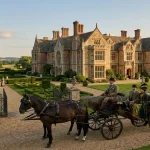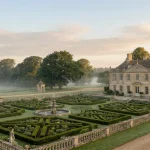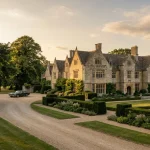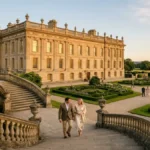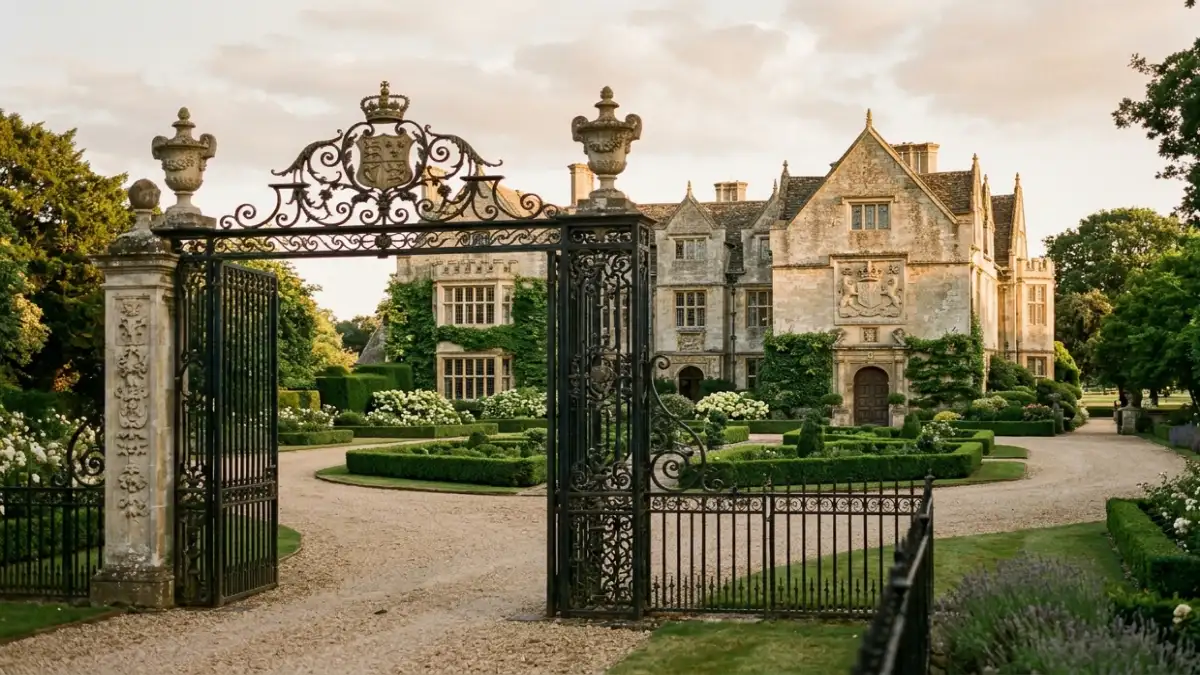
Some last names seem to carry an entire history within them. They evoke grand estates, centuries old family traditions, royal courts, literary characters, and the quiet confidence of old world elegance.
Think of names like Windsor, Montgomery, Beaumont, Sinclair, and Fitzroy. Each has a distinctive personality. Some sound unmistakably British and aristocratic, while others carry French sophistication, European nobility, or the refined charm of a classic literary surname.
The appeal of aristocratic last names goes beyond wealth or social status. These names often feel memorable because of their rhythm, historical associations, distinctive spellings, and the sense of heritage they suggest.
If you’re choosing a surname for a fictional character, researching your family history, creating a pen name, developing a brand, or simply drawn to elegant names, this collection will help you discover the right fit.
From authentic historical surnames to sophisticated names that suit modern storytelling, here are the most beautiful aristocratic last names, their origins where known, their distinctive personalities, and tips for choosing one that feels genuinely timeless.
Featured Snippet: What Are Aristocratic Last Names?
Aristocratic last names are surnames historically associated with nobility, hereditary titles, landed families, or influential social classes. Examples include Windsor, Howard, Cavendish, Percy, Beaumont, Montmorency, Habsburg, and Medici. Some have documented noble associations, while others simply have an elegant, traditional sound. A surname alone does not establish noble ancestry.
What Makes a Last Name Sound Aristocratic?
Aristocratic surnames often have a combination of historical depth, refined pronunciation, and recognizable cultural associations. Some are linked to actual noble houses; others feel aristocratic because of their linguistic structure, literary use, or association with historic estates.
Here are the qualities that make these names particularly appealing.
- Heritage: Names connected to documented noble families or historic dynasties.
- Elegance: Smooth syllables and balanced sounds, as in Beaumont or Sinclair.
- Authority: Strong consonants and traditional forms, as in Howard or Montgomery.
- Mystery: Less familiar surnames that evoke old archives, ancestral estates, or gothic fiction.
- Distinctiveness: Names that stand out without being difficult to pronounce or remember.
A useful distinction: an elegant sounding surname is not necessarily aristocratic by historical record. If authenticity matters, investigate the particular family and its history rather than relying on the name alone.
Overview: The Best Aristocratic Last Names by Style
| Last Name | Cultural Association | Overall Vibe | Best For |
| Windsor | British royal family | Regal and recognizable | Royal characters |
| Cavendish | British aristocratic family | Refined and stately | Historical fiction |
| Montgomery | British and Scottish surname traditions | Distinguished and commanding | Fiction and pen names |
| Sinclair | Scottish and Norman surname traditions | Elegant and understated | Modern characters |
| Beaumont | French and English surname traditions | Romantic and polished | Literary characters |
| Howard | Historic English noble family | Traditional and authoritative | Period fiction |
| Percy | English noble family | Classic and concise | Heritage inspired names |
| Fitzroy | British historical and royal associations | Dramatic and aristocratic | Fictional dynasties |
| Medici | Historic Italian ruling family | Artistic and powerful | Renaissance inspired fiction |
| Habsburg | Historic European ruling dynasty | Imperial and formidable | Historical storytelling |
| Montmorency | French noble house | Grand and sophisticated | French inspired characters |
| Ashford | English place name surname | Gentle and polished | Contemporary fiction |
| Rothschild | European banking dynasty | Formal and influential | Historical settings |
| Villiers | French and English aristocratic associations | Stylish and distinctive | Refined character names |
| Pembroke | British title and surname | Stately and traditional | Estate and family fiction |
These names do not all have the same historical status. Some are associated with specific noble houses or dynasties, while others are surnames with aristocratic associations or a refined stylistic impression.
Classic British Aristocratic Last Names
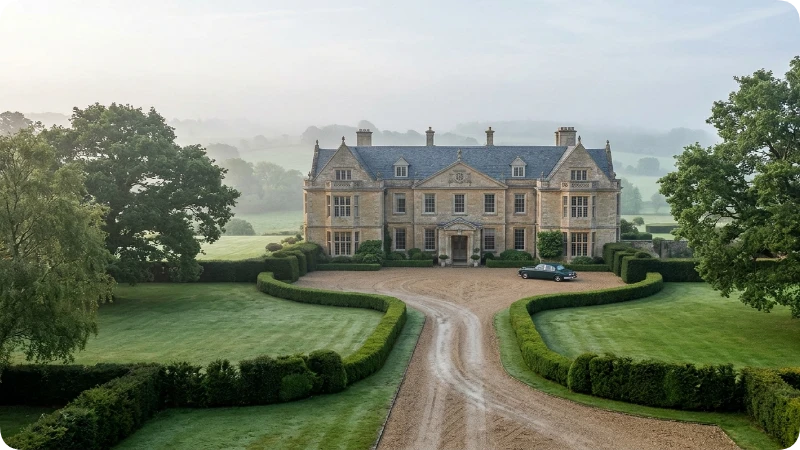
British aristocratic surnames often evoke country estates, historic titles, inherited traditions, and centuries of social history. They are especially useful for period dramas, historical novels, fictional royal families, and characters whose names need to sound established rather than fashionable.
1. Windsor
Origin and association: English place name surname, strongly associated with the British royal family.
Windsor feels formal, instantly recognizable, and unmistakably regal. Its short, balanced sound makes it powerful without being overly complicated.
- Personality vibe: Composed, dignified, traditional.
- Aesthetic: Royal heritage, classic British elegance.
- Best for: Royal fiction, historical research, formal character names.
- Modern feel: Timeless and highly recognizable.
Windsor is particularly effective when you want a surname that communicates royal associations immediately. Because of its strong connection to the present British royal house, it may feel too recognizable for a character who needs a completely original identity.
2. Cavendish
Origin and association: English surname associated with the historic Cavendish family and the Dukes of Devonshire.
Cavendish has a stately rhythm and a polished, old world sound. It feels more elaborate than Windsor, with a distinctly country estate atmosphere.
- Personality vibe: Cultured, reserved, sophisticated.
- Aesthetic: English manor house, heritage luxury.
- Best for: Historical fiction, upper class characters, fictional estates.
- Similar names: Ashcombe, Pembroke, Montague.
3. Howard
Origin and association: A historic English surname associated with the Howard noble family, including the Dukes of Norfolk.
Howard feels traditional and authoritative without sounding theatrical. It is also familiar enough to work naturally in contemporary settings.
- Personality vibe: Reliable, established, confident.
- Aesthetic: Traditional English heritage.
- Best for: Historical characters and realistic family sagas.
- Modern feel: Classic and versatile.
4. Percy
Origin and association: English surname associated with the Percy family, historically prominent in northern England.
Percy is shorter and softer than many traditional aristocratic surnames. Its compact sound makes it memorable, while its historical associations lend it substance.
- Personality vibe: Refined, understated, quietly confident.
- Aesthetic: English heritage with a literary touch.
- Best for: Fictional heirs, period characters, understated pen names.
- Style advantage: Easy to pair with both short and long first names.
5. Montgomery
Origin and association: A surname with Norman and British, particularly Scottish and Welsh, historical associations.
Montgomery sounds distinguished because of its length, rhythm, and traditional feel. It can suit a military character, a political family, a fictional aristocrat, or a modern professional with a classic surname.
- Personality vibe: Commanding, intelligent, established.
- Aesthetic: Traditional, stately, slightly cinematic.
- Best for: Historical fiction, formal character names, literary surnames.
- Nicknames: Monty, if a familiar character nickname is desired.
More British Inspired Aristocratic Surnames
| Surname | Style | Best Use |
| Spencer | Understated and polished | Contemporary or historical fiction |
| Russell | Classic and distinguished | Realistic family stories |
| Howard | Traditional and authoritative | Heritage inspired characters |
| Stanley | Stately and familiar | Period dramas |
| Cecil | Formal and vintage | Historical fiction |
| Villiers | Refined and distinctive | Aristocratic characters |
| Pembroke | Grand and estate like | Fictional noble houses |
| Beaufort | Regal and historic | Dynastic storytelling |
| Fitzalan | Elaborate and traditional | Medieval inspired fiction |
| Talbot | Strong and established | Historical characters |
French Aristocratic Last Names With Old World Elegance
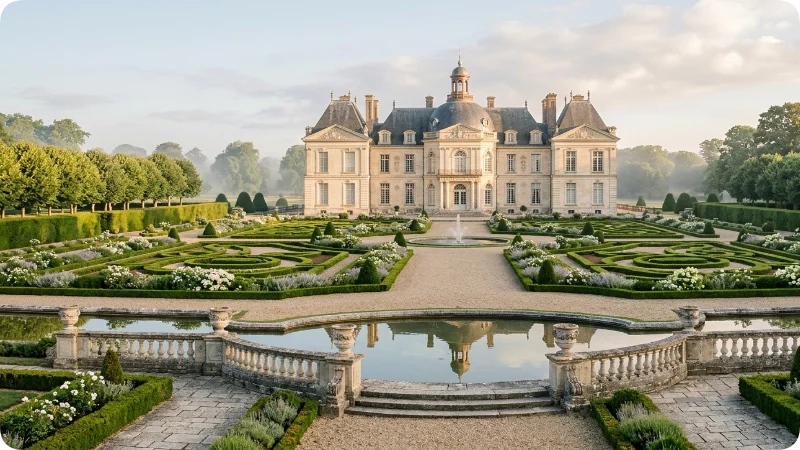
French surnames are particularly appealing when you want refinement, romance, and a sense of cultural sophistication. Names associated with French noble houses often feature graceful vowel sounds, distinctive endings, and historical connections to regions, titles, or prominent families.
6. Beaumont
Origin: French, from elements meaning “beautiful” and “mountain” or “hill.”
Beaumont is an especially appealing choice because its meaning is grounded in its linguistic components, while its modern aesthetic feels romantic and sophisticated.
- Personality vibe: Elegant, thoughtful, quietly luxurious.
- Aesthetic: French countryside, classic literature, refined style.
- Best for: Novel protagonists, fictional estates, sophisticated pen names.
- Pronunciation: Commonly approximated as BOH mont in English; French pronunciation differs.
7. Montmorency
Origin and association: French surname associated with the historic House of Montmorency, a prominent French noble family.
Montmorency feels grand, ornate, and unmistakably historical. It works especially well when a character belongs to a powerful family whose legacy is central to the story.
- Personality vibe: Formal, ambitious, commanding.
- Aesthetic: French nobility, elaborate estates, historical drama.
- Best for: Royal courts, dynastic fiction, period settings.
- Practical consideration: Its length makes it more dramatic than everyday.
8. Villiers
Origin and association: A surname with French roots and prominent historical associations in France and Britain.
Villiers feels polished without being overly ornate. Its compact spelling and distinctive sound make it suitable for characters who need an aristocratic atmosphere without an elaborate surname.
- Personality vibe: Sophisticated, reserved, self assured.
- Aesthetic: European elegance.
- Best for: Literary fiction, historical characters, refined fictional families.
9. Rochefoucauld
Origin and association: French surname associated with the historic House of La Rochefoucauld.
This surname carries substantial historical and literary associations, including those of François de La Rochefoucauld, the French writer and moralist.
- Personality vibe: Intellectual, formal, formidable.
- Aesthetic: French court culture and literary heritage.
- Best for: Historical research, aristocratic fiction, period settings.
- Practical consideration: Its length and pronunciation make it more suitable for elaborate historical contexts than casual modern naming.
More French Inspired Surnames
| Surname | Overall Feel | Naming Appeal |
| Devereux | Dramatic and refined | Strong literary presence |
| D’Aubigny | Historical and romantic | French inspired fiction |
| Clermont | Clean and sophisticated | Modern aristocratic aesthetic |
| Lafayette | Historic and distinguished | Political or historical fiction |
| DuPont | Formal and recognizable | Family and business settings |
| Valois | Regal and historical | Dynastic storytelling |
| Bourbon | Royal and powerful | European history |
| Noailles | Subtle and elegant | French historical fiction |
| Ségur | Short and distinctive | Literary settings |
| Rohan | Concise and noble associated | Historical or fantasy fiction |
Important: French origin does not automatically indicate aristocratic ancestry. The historical standing of a particular family must be established separately.
Scottish and Irish Aristocratic Last Names
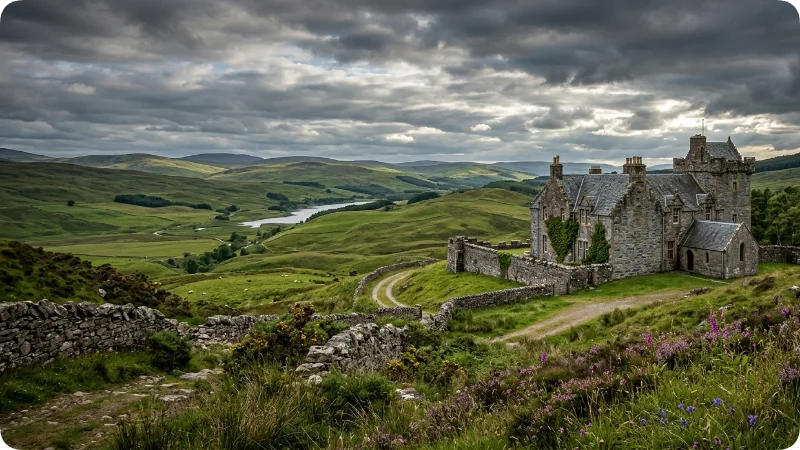
Scottish and Irish surnames offer a different kind of elegance. Some feel rugged and ancient, others romantic and literary. Their appeal often comes from regional heritage, distinctive pronunciation, clan histories, and associations with historic landholding families.
10. Sinclair
Origin and association: A surname of Norman origin with longstanding Scottish associations.
Sinclair is one of the most versatile choices in this collection. It sounds sophisticated without being excessively formal, making it equally suitable for a contemporary character or a historical protagonist.
- Personality vibe: Intelligent, understated, independent.
- Aesthetic: Quiet luxury, literary elegance.
- Best for: Modern fiction, pen names, character surnames.
- Modern feel: Classic but contemporary friendly.
11. Campbell
Origin: Scottish Gaelic surname associated with the historic Campbell clan.
Campbell feels established, sturdy, and approachable. Its familiar pronunciation makes it a good option for stories that need heritage without an overly theatrical tone.
- Personality vibe: Dependable, confident, grounded.
- Aesthetic: Scottish heritage and traditional family identity.
- Best for: Historical fiction, family sagas, realistic characters.
12. Douglas
Origin: Scottish surname derived from a place name associated with the Douglas Water.
Douglas has a strong, traditional sound. It can evoke medieval Scotland and historic noble families while remaining entirely natural in contemporary settings.
- Personality vibe: Strong, composed, traditional.
- Aesthetic: Heritage, understated authority.
- Best for: Historical novels and grounded modern characters.
13. Fitzgerald
Origin: Anglo Norman patronymic surname, traditionally interpreted as “son of Gerald.”
Fitzgerald carries a distinctive rhythm and a strong literary association through writer F. Scott Fitzgerald. That association gives it a polished, somewhat glamorous impression independent of its historical family connections.
- Personality vibe: Romantic, articulate, charismatic.
- Aesthetic: Literary sophistication and old world glamour.
- Best for: Novelists’ pen names, period fiction, character families.
- Nicknames: Fitz.
More Scottish and Irish Surnames
| Surname | Style | Best For |
| Gordon | Traditional and strong | Heritage inspired characters |
| Fraser | Refined and approachable | Modern or historical fiction |
| Murray | Understated and familiar | Contemporary family stories |
| Hamilton | Stately and polished | Aristocratic characters |
| Kerr | Concise and distinctive | Minimalist naming |
| Leslie | Soft and traditional | Literary characters |
| O’Neill | Strong Irish heritage | Family and historical fiction |
| O’Brien | Familiar and expressive | Irish inspired characters |
| Butler | Traditional and formal | Historical settings |
| Kildare | Place linked and stately | Fictional estates and dynasties |
A surname’s association with a clan or historic noble family does not mean every person bearing it descends from that family. Genealogical evidence is necessary to establish ancestry.
Italian and European Dynastic Last Names
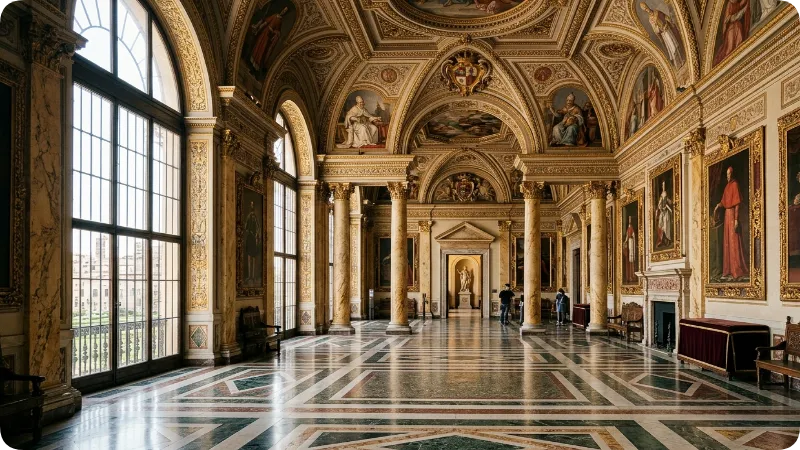
For names with imperial, Renaissance, or continental European associations, historical dynasties can provide a rich source of inspiration. These surnames often work especially well for historical novels, political dramas, fantasy kingdoms, and stories about family power.
14. Medici
Origin and association: Italian surname associated with the influential Medici family of Florence, known for its political power and patronage of the arts.
Medici feels cultured, ambitious, and unmistakably Renaissance inspired. It is especially effective for a character connected to art, political intrigue, banking, or cultural influence.
- Personality vibe: Strategic, sophisticated, influential.
- Aesthetic: Renaissance Italy, art, power, intellectual life.
- Best for: Historical fiction and dynastic storytelling.
15. Habsburg
Origin and association: Historic European dynasty associated with the Habsburg House, which ruled extensive territories across Europe.
Habsburg has a formidable, imperial sound. It feels less romantic than Beaumont and more suited to stories about succession, diplomacy, dynastic power, and political history.
- Personality vibe: Formal, commanding, strategic.
- Aesthetic: Imperial Europe and court politics.
- Best for: Historical research, royal fiction, political dramas.
16. Bourbon
Origin and association: European dynastic name associated with several royal houses, including those of France and Spain.
Bourbon sounds traditional, powerful, and historically layered. It is a strong choice for historical writing, though its associations are specific enough that it may distract from a fictional family’s identity.
17. Savoy
Origin and association: Linked to the House of Savoy, a historic European dynasty associated with the region of Savoy and the former Italian monarchy.
Savoy feels concise, elegant, and continental. Its short form provides a nice contrast to longer aristocratic surnames.
18. Romanov
Origin and association: Surname associated with the imperial dynasty that ruled Russia until the 1917 Revolution.
Romanov has a dramatic, regal, and distinctly historical identity. It suits stories about imperial Russia, political upheaval, royal families, and historical tragedy.
Other European Dynastic Names
| Surname | Historical Association | Overall Impression |
| Hohenzollern | German ruling dynasty | Formal and imperial |
| Wittelsbach | Historic Bavarian dynasty | Elaborate and traditional |
| Bourbon | European royal houses | Powerful and historic |
| Savoy | European dynastic house | Concise and elegant |
| Grimaldi | Ruling family of Monaco | Glamorous and recognizable |
| Orsini | Historic Italian noble family | Dramatic and distinctive |
| Farnese | Italian noble family | Renaissance inspired |
| Sforza | Historic Milanese dynasty | Strong and commanding |
| Este | Historic Italian ruling house | Minimalist and refined |
| Romanov | Russian imperial dynasty | Grand and dramatic |
These are historical family or dynastic names, not interchangeable indicators of nobility. Their associations vary by period, territory, and family branch.
Aristocratic Last Names That Sound Luxurious and Expensive
Sometimes the goal is not historical accuracy but a particular aesthetic: polished, exclusive, graceful, and timeless. These surnames can help establish that impression for fictional characters, creative projects, or pen names.
The following names are selected for their sound and style, not as a claim that every family bearing them is aristocratic.
| Surname | Luxury Style | Emotional Impression |
| Ashford | English heritage | Polished and understated |
| Beaumont | French inspired elegance | Romantic and refined |
| Sinclair | Quiet luxury | Intelligent and composed |
| Montgomery | Traditional grandeur | Confident and established |
| Sterling | Classic sophistication | Crisp and assured |
| Langley | Understated elegance | Gentle and professional |
| Pembroke | Estate inspired | Stately and traditional |
| Kingsley | Regal sounding | Warm and distinguished |
| Ellington | Literary and musical | Cultured and creative |
| Whitmore | Classic English style | Reserved and elegant |
| Harrington | Traditional grandeur | Formal and established |
| Fairfax | Refined and distinctive | Crisp and confident |
| Kensington | Place name elegance | Urban and polished |
| Ashbourne | Heritage inspired | Romantic and stately |
| Winslow | Vintage sophistication | Artistic and approachable |
Which Luxury Surname Should You Choose?
- For quiet luxury: Sinclair, Langley, Ashford.
- For grand, traditional elegance: Montgomery, Harrington, Pembroke.
- For romantic sophistication: Beaumont, Ashbourne, Whitmore.
- For a polished modern character: Fairfax, Sterling, Kingsley.
- For a fictional wealthy dynasty: Cavendish, Beaufort, Montmorency.
The strongest choice is often the one that fits the character’s world. A subtle surname may feel more believable in a contemporary novel than a name associated with a famous royal dynasty.
Dark, Mysterious, and Gothic Aristocratic Surnames
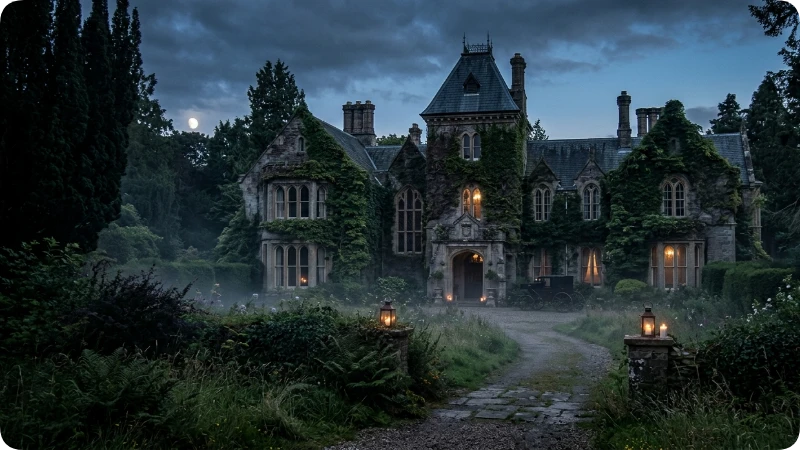
Aristocratic names can also create an atmosphere of secrecy, old money, inheritance disputes, haunted estates, and complicated family histories. This style is particularly useful for gothic novels, dark academia, mystery stories, and fantasy worlds.
| Surname | Emotional Tone | Best Creative Use |
| Ravenscroft | Gothic and atmospheric | Haunted estate fiction |
| Blackwood | Dark and traditional | Gothic family sagas |
| Ashbourne | Moody and elegant | Historical mysteries |
| Nightingale | Poetic and literary | Romantic or gothic fiction |
| Whitlock | Restrained and mysterious | Thrillers |
| Hawthorne | Literary and atmospheric | Dark academia |
| Wycliffe | Formal and old world | Historical mysteries |
| Thornfield | Romantic and gothic | Fictional estate settings |
| Montague | Classic and dramatic | Family rivalries |
| Devereux | Elaborate and enigmatic | Period drama |
| Winterbourne | Melancholic and refined | Gothic romance |
| Sterling | Crisp and controlled | Contemporary mystery |
These are primarily aesthetic recommendations. Some are real surnames with varied family histories; others are strongly associated with literary or fictional settings. Their inclusion here does not establish a historical noble lineage.
Naming tip: For gothic fiction, a surname with a clear image—such as Blackwood or Winterbourne—can establish mood immediately. For a subtler effect, choose a name such as Sinclair or Whitlock and let the character’s actions create the mystery.
Aristocratic Last Names for Fictional Characters
The best surname depends on the character’s role, setting, and personality. A historical duke, a contemporary lawyer, a secretive heiress, and a fantasy queen should not necessarily have the same naming style.
| Character Type | Recommended Surnames | Why They Fit |
| Royal heir | Windsor, Beaufort, Savoy | Strong dynastic associations |
| Elegant heroine | Beaumont, Sinclair, Villiers | Graceful and memorable |
| Wealthy modern family | Ashford, Sterling, Whitmore | Polished without being too theatrical |
| Gothic antagonist | Blackwood, Ravenscroft, Winterbourne | Dark atmosphere |
| Intellectual aristocrat | Cavendish, Hawthorne, Fitzgerald | Literary and cultured associations |
| Medieval noble | Percy, Fitzalan, Montmorency | Historic and period appropriate feel |
| Fantasy ruler | Valois, Sforza, Habsburg | Grand historical resonance |
| Mysterious heiress | Devereux, Sinclair, Fairfax | Distinctive and adaptable |
| Political dynasty | Howard, Montgomery, Bourbon | Authority and family legacy |
| Romantic lead | Beaumont, Ashbourne, Langley | Softer, elegant rhythm |
How to Make a Fictional Aristocratic Surname Believable
Start with the setting rather than choosing the fanciest name available.
For a story set in eighteenth century France, a historically grounded French family name may be more convincing than an English manor house surname. For a contemporary romance, an understated name such as Sinclair or Beaumont may feel more natural than an imperial dynastic name.
Consider these three questions:
- Where is the family from? Match the surname to the language and region.
- Why is the family influential? Land ownership, political power, business, military service, or an inherited title create different kinds of status.
- How should the reader feel? A short surname can feel controlled and modern, while a longer one can create grandeur and historical distance.
A surname is a useful storytelling signal, but character behavior, family history, and social context are what make that signal convincing.
How to Choose the Perfect Aristocratic Last Name
A surname can sound beautiful on its own and still be awkward when paired with a first name. The best way to narrow your options is to compare sound, meaning, cultural fit, and practical use.
1. Match the Name to the Intended Mood
Choose a name based on the impression you want to create.
- Regal: Windsor, Beaufort, Savoy.
- Elegant: Beaumont, Sinclair, Villiers.
- Powerful: Montgomery, Habsburg, Howard.
- Romantic: Ashbourne, Langley, Devereux.
- Mysterious: Ravenscroft, Whitlock, Blackwood.
- Understated: Percy, Sterling, Fairfax.
These are stylistic impressions rather than objective personality traits.
2. Say the Full Name Aloud
Rhythm matters. Pair a longer first name with a surname that doesn’t make the full combination cumbersome.
For example:
- Eleanor Sinclair — elegant and balanced.
- Alexander Montgomery — formal and commanding.
- Clara Beaumont — soft and romantic.
- Victoria Cavendish — grand and traditional.
- Julian Ashford — polished and contemporary.
Try the name in ordinary sentences, not just as a title on a page. This is especially important if you’re choosing a pen name or a name for a character who appears frequently in dialogue.
3. Consider Cultural and Historical Accuracy
If your goal is genealogy or authentic historical fiction, verify the surname’s spelling, regional history, language, and documented associations.
A French surname does not automatically make a person French. A Scottish clan name does not prove clan descent. And a famous royal surname does not establish a person’s relationship to a royal house.
For real ancestry research, look for civil records, parish registers, wills, census documents, and reliable family histories.
4. Think About Everyday Usability
For a contemporary pen name, business identity, or online profile, consider:
- How easily people can spell the surname.
- If it is easy to pronounce in your target audience’s language.
- If the name is already strongly associated with a famous person or family.
- If a suitable domain or username is available, if relevant.
- If the name could create unwanted confusion about real world identity or heritage.
A beautiful name should work outside the list, too.
Aristocratic Last Names: Meaning, Origin, and Naming Details
Readers often want more than a list of elegant surnames. They want to understand which details are historically verifiable and which describe the name’s modern aesthetic.
The table below summarizes several useful choices. Lucky numbers, gemstones, and similar attributes are intentionally excluded because they are not established facts about surnames.
| Surname | Origin or Association | Meaning or Historical Note | Style |
| Windsor | English place name | Associated with the British royal family | Regal |
| Beaumont | French | Traditionally interpreted as “beautiful mountain” or “beautiful hill” | Romantic |
| Sinclair | Norman and Scottish associations | Derived from a place name tradition | Understated |
| Montgomery | Norman and British surname traditions | Historically linked to place names and noble families | Commanding |
| Fitzgerald | Anglo Norman | Traditionally interpreted as “son of Gerald” | Literary |
| Howard | English | Associated with a historic English noble family | Traditional |
| Percy | English | Associated with a prominent English noble family | Classic |
| Medici | Italian | Associated with the influential Florentine family | Renaissance |
| Romanov | Russian dynastic surname | Associated with the Russian imperial dynasty | Imperial |
| Habsburg | European dynastic name | Associated with a major European ruling house | Formal |
| Montmorency | French | Associated with a historic French noble house | Grand |
| Cavendish | English | Associated with the Cavendish family and Dukes of Devonshire | Stately |
What About Lucky Numbers, Colors, Gemstones, and Zodiac Signs?
There is no universally recognized lucky number, gemstone, lucky color, or zodiac sign for an aristocratic surname.
Numerology systems sometimes assign numbers to the letters in a name, while astrology based naming traditions may associate names with particular symbols. Those interpretations vary by method and belief system and should not be presented as verified etymology or historical fact.
For creative naming, you can still use a personal color palette or symbolic gemstone to reinforce a character’s identity. For example, sapphire might suit a character styled around elegance, while onyx could complement a gothic fictional family. These are artistic choices, not inherent properties of the surnames.
Frequently Asked Questions About Aristocratic Last Names
What are the most aristocratic sounding last names?
Windsor, Cavendish, Montgomery, Sinclair, Beaumont, Howard, Percy, and Montmorency are strong choices. Some have direct associations with historic noble families, while others appeal because of their refined sound and traditional character.
What is the most prestigious British surname?
There is no single universally most prestigious British surname. Windsor has a particularly strong royal association, while Cavendish, Howard, Percy, and other names are connected to historically prominent families. Prestige depends on the historical period, title, family branch, and social context.
What are some French aristocratic last names?
Examples include Montmorency, La Rochefoucauld, Villiers, Noailles, Valois, Bourbon, and Rohan. These names have different historical backgrounds, and not every person bearing one necessarily belongs to a noble family.
What are good aristocratic last names for fictional characters?
Beaumont, Sinclair, Ashford, Montgomery, Cavendish, Devereux, and Ravenscroft are useful options. Choose based on the character’s cultural background, time period, personality, and the atmosphere of your story.
Are aristocratic surnames the same as royal surnames?
No. A royal surname is associated with a reigning or former royal family, while aristocratic surnames can belong to noble families who were not royal. The terminology and legal status of nobility vary by country and historical period.
Can an ordinary person have an aristocratic surname?
Yes. Surnames can be shared by unrelated families, and names once associated with prominent families may also be used by people without any connection to those families. A surname alone cannot prove noble ancestry.
What are the best aristocratic last names for a girl character?
Beaumont, Sinclair, Villiers, Ashbourne, Devereux, and Fairfax can work beautifully for female characters. Surnames are generally not inherently gender specific in English, so the best choice depends on the character’s setting and the full name’s rhythm.
What are the best aristocratic last names for a boy character?
Montgomery, Cavendish, Howard, Percy, Fitzgerald, and Sinclair are versatile options for male characters. Many can also work for characters of any gender, especially in contemporary fiction.
What is the difference between an aristocratic surname and an old money surname?
An aristocratic surname suggests historical connections to nobility or hereditary titles. “Old money” is a broader social expression for wealth accumulated across generations. The two can overlap, but neither automatically establishes the other.
Final Thoughts: Choosing a Name That Feels Timeless
The best aristocratic last names do more than sound expensive. They create a sense of history, character, and atmosphere.
Windsor feels regal. Beaumont feels romantic. Sinclair is understated and elegant. Montgomery sounds commanding, while Cavendish evokes the traditional grandeur of an English estate.
historical research, prioritize documented family records and reliable sources. fiction, focus on cultural fit, pronunciation, rhythm, and the emotional impression you want the name to create. For a pen name or creative project, make sure the surname feels distinctive and works naturally in everyday use.
Ultimately, an aristocratic sounding surname is most effective when it fits the person, character, or story behind it. Choose one that feels memorable rather than merely elaborate, and it will have a much better chance of standing the test of time.

Amara uncovers the hidden history, origins, and meanings behind names. She curates Namestylo’s historical, cultural, and baby naming guides to ensure every suggestion carries deep significance. In her free time, she devours historical fiction and mythology.