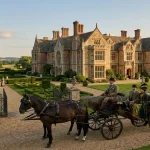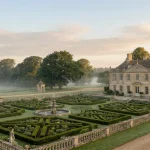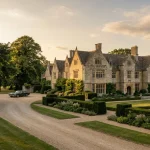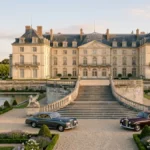
Some last names carry a sense of history before you even know the story behind them.
A name like Windsor feels regal and unmistakably British. Romanov evokes the grandeur and tragedy of imperial Russia. Bourbon brings to mind European royal courts, while Plantagenet feels medieval, powerful, and steeped in history.
That is the appeal of royal last names. They connect identity with heritage, elegance, authority, and the enduring fascination of royal families. Some belong to real monarchies, others to ancient dynasties, and many simply have the refined sound people love when choosing a character name or exploring family history.
If you’re researching royal surnames, naming a fictional prince or princess, creating a fantasy dynasty, choosing a sophisticated pen name, or looking for a surname with aristocratic character, this guide brings together royal last names from around the world, along with their histories, cultural connections, and distinctive personalities.
Featured Snippet
Royal last names include Windsor, Tudor, Stuart, Plantagenet, Romanov, Bourbon, Habsburg, Hanover, Grimaldi, and Saud. These surnames are associated with royal houses, reigning monarchies, or historic dynasties. The best choice depends on If you want a name with documented royal heritage, a distinctive historical connection, or an elegant, regal sound for a fictional character.
Why Royal Last Names Feel So Powerful
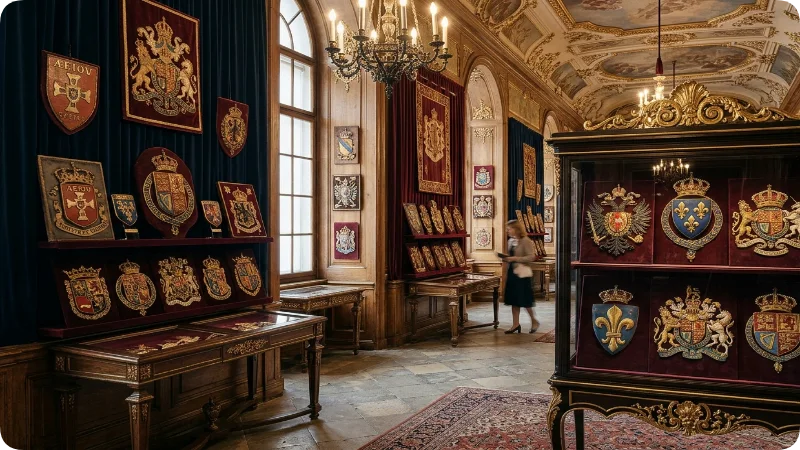
Royal surnames do more than identify a family. They can evoke generations of history, political influence, inherited traditions, grand estates, and stories of ambition, loyalty, and succession.
A surname such as Windsor feels polished and contemporary because it is associated with Britain’s modern royal family. Romanov has a more dramatic, imperial quality, while Tudor feels unmistakably connected to Renaissance England.
Royal names tend to appeal for several reasons:
- Heritage: They suggest a connection to a documented historical family or dynasty.
- Prestige: Their associations with monarchies give them an elevated social impression.
- Storytelling: They can make fictional characters feel established and believable.
- Aesthetic appeal: Many combine distinctive sounds with a recognizable historical identity.
- Cultural identity: Royal houses often reflect the languages, traditions, and histories of their regions.
One important distinction: a surname associated with royalty does not automatically mean that everyone bearing it has royal ancestry. Some royal houses use different names across generations, and a surname alone is not proof of descent.
The appeal of a royal surname at a glance
| Quality | What it communicates | Example |
| Modern royalty | Contemporary prestige | Windsor |
| Medieval heritage | Ancient lineage | Plantagenet |
| Imperial grandeur | Dramatic authority | Romanov |
| European elegance | Historic refinement | Bourbon |
| Nordic identity | Scandinavian royal history | Bernadotte |
| Fantasy royalty | Invented world potential | Silvercrown |
The final example is an invented surname, included for creative inspiration rather than as a documented royal house.
Overview Table: Royal Last Names by Style
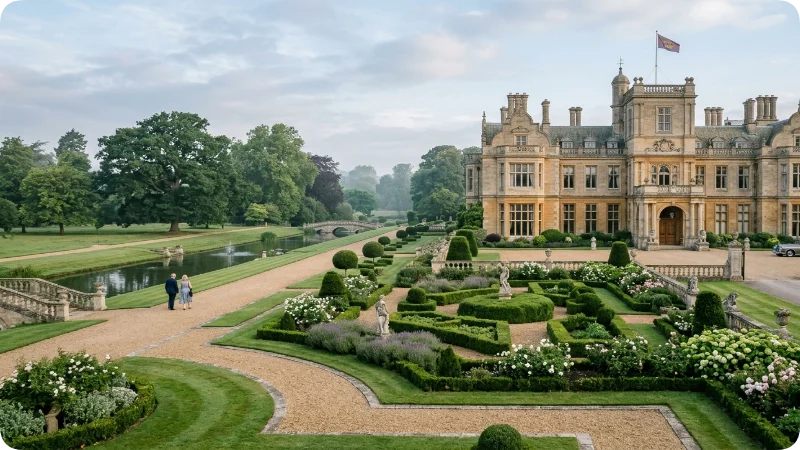
The following surnames are connected to real royal houses, dynasties, or ruling families. Their emotional descriptions are subjective naming impressions, not historical meanings.
| Royal last name | Historical connection | Name personality | Best use |
| Windsor | British royal house | Modern, polished | Contemporary royal characters |
| Tudor | English royal dynasty | Bold, historic | Historical fiction |
| Plantagenet | Medieval English royal dynasty | Powerful, medieval | Epic storytelling |
| Stuart | Scottish and English royal dynasty | Classic, dignified | Traditional characters |
| Romanov | Russian imperial dynasty | Dramatic, grand | Imperial fiction |
| Bourbon | European royal house | Refined, continental | Aristocratic characters |
| Habsburg | European ruling dynasty | Formal, imposing | Political or historical fiction |
| Hanover | European royal house | Understated, historic | Dynastic storytelling |
| Grimaldi | Monaco’s ruling princely family | Elegant, cosmopolitan | Modern luxury settings |
| Bernadotte | Swedish royal house | Scandinavian, composed | Nordic inspired characters |
| Chakri | Thai royal dynasty | Distinctive, culturally rooted | Thai historical contexts |
| Saud | Saudi ruling family | Powerful, regionally specific | Middle Eastern history |
| Hashemite | Jordanian royal family and wider historical lineage | Heritage rich, dignified | Arab history and fiction |
| Pahlavi | Former Iranian royal dynasty | Modern, distinctive | Twentieth century history |
| Naruhito | Personal name of Japan’s current emperor, not a surname | Not a royal surname | Avoid as a Japanese royal last name |
Naming note: Naruhito is included in the table to illustrate a common mistake: it is Emperor Naruhito’s personal name, not a family surname. Japanese imperial naming conventions differ from European dynastic surnames.
British Royal Last Names
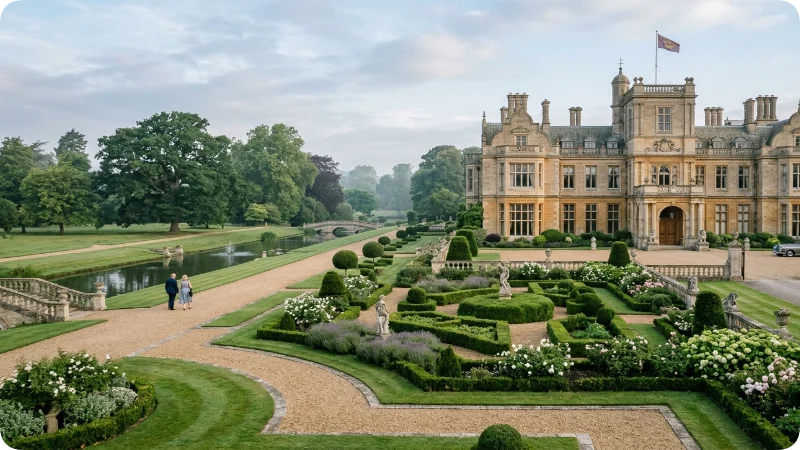
British royal surnames are especially recognizable because they combine centuries of monarchy with familiar names that still feel usable in modern fiction.
1. Windsor
Origin: English place name
Royal connection: The British royal house adopted the name Windsor in 1917.
Pronunciation: WIN zər
Gender: Unisex as a surname
Name vibe: Polished, contemporary, regal
Windsor is one of the clearest choices for someone seeking a surname associated with a modern royal family. It feels formal without sounding excessively ornate, making it equally suitable for a contemporary royal drama or a character from an established noble family.
Its appeal comes from recognition and restraint. Windsor suggests prestige without requiring a complicated pronunciation or spelling.
Best for: Modern royal fiction, elegant character surnames, and names with a British atmosphere.
2. Tudor
Origin: Welsh surname associated with the historical Tudor family
Royal connection: The House of Tudor ruled England from 1485 to 1603.
Pronunciation: TOO dər
Name vibe: Bold, historic, dramatic
Tudor carries a strong historical identity. The dynasty is associated with Henry VIII, Elizabeth I, religious change, court politics, and the English Renaissance.
As a character surname, Tudor feels shorter and more direct than Plantagenet. It suits a character whose authority comes with complicated family loyalties or a turbulent political inheritance.
Best for: Historical novels, royal intrigue, and characters with a commanding presence.
3. Stuart
Origin: Scottish surname
Royal connection: The House of Stuart ruled Scotland and, at various times, England and Ireland.
Pronunciation: STOO ərt or STYOO ərt, depending on accent
Name vibe: Traditional, dignified, understated
Stuart feels more familiar and less theatrical than many royal surnames. Its Scottish roots and royal history give it substance, while its everyday usability makes it suitable for contemporary settings.
It works particularly well for a character who belongs to an old family but does not need to sound intimidating.
Best for: Scottish historical fiction, traditional family sagas, and understated aristocratic characters.
4. Plantagenet
Origin: Medieval dynastic name traditionally associated with Geoffrey of Anjou and his descendants
Royal connection: The Plantagenets ruled England from the twelfth century until 1485, including the branches commonly known as Lancaster and York.
Pronunciation: plan TAJ uh net
Name vibe: Grand, medieval, formidable
Plantagenet is one of the most evocative names in English royal history. It feels expansive and ceremonial, with a strong association with medieval kingship, dynastic rivalries, and the Wars of the Roses.
Because it is long and distinctive, it works better for historical or fantasy settings than for a subtle modern pen name.
Best for: Medieval fiction, dynastic family trees, and epic royal storytelling.
5. Hanover
Origin: Place name from Hanover, Germany
Royal connection: The House of Hanover supplied British monarchs from George I through William IV.
Pronunciation: HAN oh vər
Name vibe: Formal, continental, restrained
Hanover has a measured elegance. It evokes European courts and dynastic connections without the immediate drama of names such as Romanov.
Best for: European historical fiction, formal character names, and fictional aristocratic families.
More British and British connected royal names
- York — associated with the English royal House of York; short and forceful.
- Lancaster — associated with the rival English royal House of Lancaster; formal and historical.
- Saxe Coburg Gotha — the dynastic name used by the British royal family before the adoption of Windsor in 1917.
- Mountbatten — a family name associated with Britain’s royal and aristocratic circles; not itself the name of the current British royal house.
- Glücksburg — associated with royal houses in several European countries, including Denmark and Norway.
These names are not interchangeable. Some identify specific dynasties, while others belong to broader royal family networks or related aristocratic lines.
French Royal Last Names With Elegant Appeal
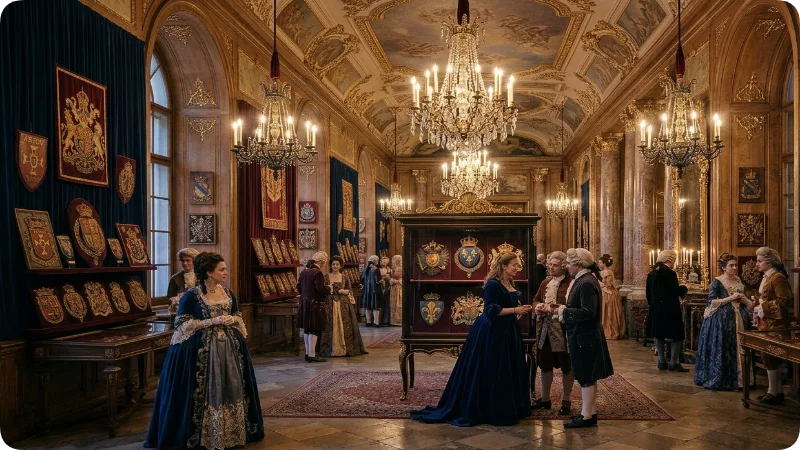
French royal history offers names that feel refined, formal, and closely connected to European court culture.
6. Bourbon
Origin: French place name and dynastic surname
Royal connection: The House of Bourbon produced kings of France and rulers of other European territories.
Pronunciation: BOOR bon
Name vibe: Refined, traditional, continental
Bourbon feels elegant without being delicate. Its historical connections span several countries, making it useful for stories involving royal marriages, political alliances, and competing European courts.
The name is especially recognizable because of its long association with French monarchy.
Best for: French historical fiction, royal family sagas, and refined character naming.
7. Valois
Origin: French dynastic name derived from the Valois region
Royal connection: The House of Valois ruled France from 1328 to 1589.
Pronunciation: va LWAH
Name vibe: Sophisticated, literary, medieval
Valois has a softer sound than Bourbon, with a distinctly French cadence. It suits stories focused on courtly relationships, dynastic competition, and the social complexity of medieval and Renaissance France.
Best for: French historical novels, elegant fictional nobles, and court centered storytelling.
8. Capet
Origin: Dynastic name associated with Hugh Capet
Royal connection: The Capetian dynasty began with Hugh Capet’s accession as king of the Franks in 987; its wider branches shaped French and European monarchy.
Pronunciation: kuh PAY
Name vibe: Ancient, concise, authoritative
Capet is shorter and more unusual than Bourbon. It is a strong option for writers who want a surname grounded in early French royal history without choosing one of the most familiar names.
Best for: Medieval fiction, historical research, and understated royal characters.
9. Orléans
Origin: French place name
Royal connection: The House of Orléans is a branch of the French royal family.
Pronunciation: or lay AHN
Name vibe: Elegant, cultured, aristocratic
Orléans carries the atmosphere of French court society. Its spelling and accent give it a distinctive visual quality, though writers should consider If readers will find it easy to type and pronounce.
Best for: French inspired fiction, period dramas, and characters with continental sophistication.
10. Bonaparte
Origin: Italian derived family surname, associated with the French form Bonaparte
Royal connection: Napoleon Bonaparte founded an imperial dynasty and made members of his family rulers of several European territories.
Pronunciation: BOH nuh part
Name vibe: Ambitious, commanding, historical
Bonaparte is more strongly associated with empire than with an old hereditary monarchy. It suggests ambition, political transformation, and the dramatic rise of a family.
Best for: Napoleonic era fiction, ambitious leaders, and stories about power and reinvention.
Russian and Eastern European Royal Last Names
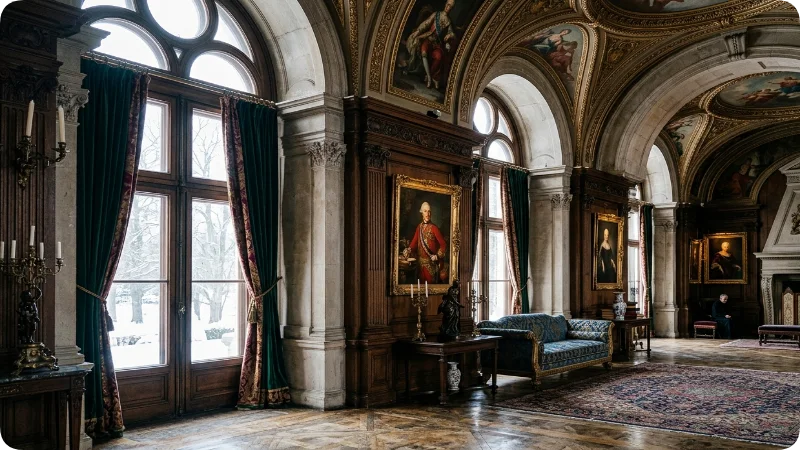
Russian and Eastern European dynastic names often carry a grand, dramatic quality in English language storytelling. Their historical associations can be powerful, but they should be used with attention to the specific family and national context.
11. Romanov
Origin: Russian dynastic surname
Royal connection: The Romanovs ruled Russia from 1613 until the monarchy was overthrown in 1917.
Pronunciation: ROH muh nov
Name vibe: Imperial, dramatic, memorable
Romanov is one of the most recognizable royal surnames in modern popular culture. Its association with the Russian Empire and the family’s tragic end gives it an emotionally layered identity.
It works well in historical fiction, especially stories about inheritance, revolution, family loyalty, and the end of an era.
Best for: Imperial historical fiction and characters from a Russian dynastic setting.
12. Rurikid
Origin: Dynastic designation associated with the descendants of Rurik
Royal connection: Rurikid rulers governed various East Slavic principalities and states.
Pronunciation: ROOR ih kid
Name vibe: Ancient, formidable, historically specific
Rurikid is better understood as the name of a ruling dynasty than as a conventional modern family surname. It has a strong medieval atmosphere and works best when historical accuracy matters.
Best for: Early medieval Eastern European settings and historical worldbuilding.
13. Gediminid
Origin: Dynastic designation derived from Gediminas
Royal connection: The Gediminid dynasty played a major role in the history of Lithuania and the Grand Duchy of Lithuania.
Pronunciation: guh DIM ih nid
Name vibe: Historic, powerful, distinctive
Gediminid offers an alternative to better known Western European royal names. Its strongest appeal lies in its specific connection to Lithuanian and Eastern European history.
Best for: Baltic historical fiction and detailed dynastic worldbuilding.
14. Habsburg
Origin: Name associated with Habsburg Castle in present day Switzerland
Royal connection: The Habsburgs became one of Europe’s most influential ruling dynasties, including rulers of the Holy Roman Empire and Austria.
Pronunciation: HABZ burg
Name vibe: Formal, imposing, political
Habsburg feels weighty and historically complex. It is an excellent surname for stories about diplomacy, inheritance, court politics, and the interconnected monarchies of Europe.
Best for: Political historical fiction and stories involving powerful European dynasties.
15. Hohenzollern
Origin: German dynastic name associated with the Hohenzollern family
Royal connection: The family supplied rulers of Prussia and German emperors.
Pronunciation: hoh en TSOL ern
Name vibe: Formal, commanding, old world
Hohenzollern has a distinctly Central European character. Its length and consonant heavy sound make it feel imposing, which can be useful in historical fiction but less practical for a casual modern pseudonym.
Best for: German historical settings, royal political dramas, and dynastic fiction.
More Eastern and Central European dynastic names
| Name | Historical connection | Naming impression |
| Romanov | Russian imperial dynasty | Dramatic and imperial |
| Habsburg | European ruling dynasty | Formal and formidable |
| Hohenzollern | Prussian and German ruling family | Strong and ceremonial |
| Jagiełło | Polish Lithuanian royal dynasty | Distinctive and historic |
| Piast | Early Polish ruling dynasty | Ancient and concise |
| Přemyslid | Bohemian ruling dynasty | Medieval and unusual |
| Bagrationi | Georgian royal dynasty | Distinctive and heritage rich |
Some of these are dynastic labels rather than standard surnames used in the same way as modern Western family names. Check the historical period and language before assigning one to a character.
Royal Last Names From Scandinavia and Northern Europe
Scandinavian royal names often appeal to readers who prefer clean sounds, understated elegance, and strong cultural identity.
16. Bernadotte
Origin: French surname
Royal connection: The House of Bernadotte has occupied the Swedish throne since 1818.
Pronunciation: ber nuh DOT
Name vibe: Cosmopolitan, dignified, polished
Bernadotte is an interesting blend of French origins and Swedish royal history. It sounds refined without being overly ornate.
Best for: Nordic inspired fiction, modern royal families, and European historical settings.
17. Glücksburg
Origin: German place name
Royal connection: The House of Glücksburg is associated with the royal families of Denmark and Norway, among other European dynastic connections.
Pronunciation: GLÜCKS burg; pronunciation varies by language
Name vibe: Formal, northern European, historic
Glücksburg is a strong choice for historically grounded Scandinavian storytelling. Its spelling may be challenging for some English speaking audiences, so a pronunciation note can help.
Best for: Nordic history and realistic European royal worldbuilding.
18. Oldenburg
Origin: German place name
Royal connection: The House of Oldenburg is a European dynasty with connections to several royal houses, including Denmark.
Pronunciation: OHL den burg
Name vibe: Historic, stately, continental
Oldenburg has a solid, established sound. It is particularly useful for stories in which royal marriages link multiple European countries.
Best for: Dynastic fiction, family trees, and historical European settings.
19. Leijonhufvud
Origin: Swedish noble surname
Royal connection: Associated with Swedish nobility, including Margareta Leijonhufvud, queen consort of Gustav I of Sweden.
Pronunciation: Swedish pronunciation is complex and differs substantially from an English reading
Name vibe: Distinctive, historic, aristocratic
Leijonhufvud is a noble surname rather than the name of a reigning royal house. Its value for naming lies in its authentic Swedish historical character.
Best for: Swedish historical fiction and aristocratic characters with a specifically Nordic background.
Royal Last Names From Asia and the Middle East
Royal naming traditions differ considerably around the world. Some monarchies use dynastic family names, while others emphasize personal names, house names, titles, or lineage. Understanding those differences makes a name choice more respectful and historically credible.
20. Saud
Origin: Arabic family name associated with the Al Saud dynasty
Royal connection: The House of Saud is the ruling family of Saudi Arabia.
Pronunciation: SAOOD
Name vibe: Powerful, historically specific, contemporary
Saud is a recognizable name in the context of modern Saudi political and royal history. In a naming article, it is important to distinguish the family name from a generic symbol of royalty.
Best for: Research into Saudi history or carefully contextualized historical and fictional settings.
21. Hashemite
Origin: English form of a term referring to the Hashemite lineage
Royal connection: The Hashemite royal family rules Jordan and has a wider historical lineage associated with the Arab world.
Pronunciation: HASH uh mite
Name vibe: Heritage rich, dignified, culturally specific
Hashemite is often used to describe a lineage or royal house rather than as a typical everyday surname. It carries substantial historical and cultural significance.
Best for: Middle Eastern history and fiction that carefully reflects regional naming conventions.
22. Chakri
Origin: Thai dynastic name
Royal connection: The Chakri dynasty has ruled Thailand since 1782.
Pronunciation: CHAK ree
Name vibe: Distinctive, formal, culturally rooted
Chakri is a meaningful choice for readers exploring Thai royal history. It should be understood within its Thai cultural context rather than treated as a decorative synonym for royalty.
Best for: Thai history, educational writing, and culturally informed fiction.
23. Pahlavi
Origin: Persian name with historical and linguistic associations
Royal connection: The Pahlavi dynasty ruled Iran from 1925 until the monarchy ended in 1979.
Pronunciation: pah luh VEE
Name vibe: Modern imperial history, distinctive, formal
Pahlavi is particularly relevant to twentieth century Iranian history. Its associations are political and historical as well as dynastic.
Best for: Modern Iranian historical fiction and research into the former Iranian monarchy.
24. Alaouite
Origin: Dynastic designation associated with Morocco’s Alaouite dynasty
Royal connection: The Alaouite dynasty has ruled Morocco since the seventeenth century.
Pronunciation: ah lah WEET, with variations by language
Name vibe: Historic, North African, formal
Alaouite is a dynastic designation, not necessarily a standard personal surname in everyday use. It is useful for understanding Morocco’s monarchy and for historically grounded storytelling.
Best for: Moroccan history and culturally specific royal fiction.
More royal and dynastic names to explore
| Name | Royal or historical connection | Important distinction |
| Kamehameha | Hawaiian royal history | Personal name associated with a dynasty’s founder, not a standard surname |
| Yamato | Japanese imperial tradition and historical identity | Not a conventional surname of the reigning imperial family |
| Al Sabah | Ruling family of Kuwait | Family designation used in a specific political and cultural context |
| Al Thani | Ruling family of Qatar | Family name associated with Qatar’s monarchy |
| Norodom | Cambodian royal family | Used as a royal family name and personal name element |
| Windsor | British royal house | Modern royal house name |
| Bernadotte | Swedish royal house | European dynastic surname |
| Bourbon | European royal house | Dynastic name used across several royal lines |
These names represent different systems of monarchy and lineage. For real people, historical research, or culturally specific fiction, verify the relevant naming convention rather than assuming every royal house uses a hereditary surname in the same way.
Elegant Royal Last Names for Fictional Characters
If you are naming a prince, princess, queen, king, or aristocratic family, the most useful surname is not necessarily the most famous one. It should fit the character’s country, historical period, personality, and role in the story.
Names for a refined, modern royal family
- Windsor
- Bernadotte
- Hanover
- Bourbon
- Grimaldi
- Orléans
- Oldenburg
- Stuart
These names work well when the story emphasizes diplomacy, public image, family tradition, and contemporary royal life.
Names for a powerful, intimidating dynasty
- Plantagenet
- Habsburg
- Hohenzollern
- Romanov
- Tudor
- Piast
- Rurikid
- Bagrationi
These names suit stories involving succession, political rivalry, war, inheritance, or the rise and fall of empires.
Names for a mysterious or tragic royal family
- Romanov
- Valois
- Tudor
- Habsburg
- Přemyslid
- Pahlavi
Their historical associations can add atmosphere, but they should not replace character development. A memorable fictional dynasty needs motivations, relationships, and conflicts beyond its surname.
Names for a romantic European setting
- Bourbon
- Valois
- Orléans
- Bernadotte
- Grimaldi
- Hanover
For a romance, pairing a recognizable royal surname with a simpler first name often creates a more natural balance than combining several elaborate names.
Royal Sounding Last Names for Fantasy Worlds
Not every writer needs a real historical dynasty. For fantasy novels, role playing games, and fictional kingdoms, an invented surname can give you creative freedom without implying a real family connection.
The following names are original creative suggestions, not documented royal houses.
| Invented surname | Emotional vibe | Ideal fictional role |
| Silvercrown | Elegant, luminous | A peaceful royal dynasty |
| Stormvale | Powerful, adventurous | A warrior kingdom |
| Ashbourne | Old world, mysterious | An ancient noble house |
| Wintermere | Cool, poetic | A northern royal family |
| Goldhaven | Prosperous, warm | A wealthy coastal kingdom |
| Ravencrest | Dark, aristocratic | A secretive dynasty |
| Evermont | Refined, traditional | A mountain kingdom |
| Moonvale | Dreamlike, magical | A fantasy court |
| Thornwick | Severe, medieval | A politically ambitious house |
| Starfall | Mythic, cinematic | A fallen or legendary dynasty |
| Kingsmere | Traditional, stately | A fictional hereditary monarchy |
| Embercourt | Dramatic, fiery | A dynasty shaped by conflict |
| Nightingale | Romantic, literary | A cultured royal house |
| Frostbourne | Cold, formidable | A northern empire |
| Dawncrest | Hopeful, regal | A dynasty rebuilding after war |
How to make an invented royal surname believable
A fictional royal surname works best when it reflects the world around it.
Consider:
- Geography: Mountains, rivers, forests, and coastlines can inspire place based surnames.
- Language: Use a consistent naming pattern for families from the same region.
- History: An old dynasty might have a shorter, more traditional name than a newly established house.
- Politics: A ruling family may adopt a new house name after a marriage, conquest, or succession.
- Sound: Hard consonants can feel forceful, while flowing syllables may sound softer or more ceremonial.
For example, a northern dynasty might use Frostbourne, while a coastal trading kingdom might suit Goldhaven. These are aesthetic choices, not universal rules.
Royal Last Names Compared by Style
Choosing between royal surnames becomes easier when you compare their sound, historical associations, and practical usability.
| Surname | Elegance | Historical weight | Easy to use | Overall feel |
| Windsor | High | High | Very easy | Modern royalty |
| Tudor | High | Very high | Very easy | Bold and historic |
| Romanov | High | Very high | Easy | Imperial drama |
| Bourbon | Very high | Very high | Easy | European refinement |
| Plantagenet | High | Very high | Moderate | Medieval grandeur |
| Habsburg | Moderate | Very high | Easy | Political power |
| Bernadotte | High | High | Moderate | Cosmopolitan |
| Grimaldi | Very high | High | Easy | Contemporary luxury |
| Hohenzollern | Moderate | Very high | Difficult | Formal and imposing |
| Silvercrown | High | Fictional | Easy | Fantasy royalty |
The ratings are editorial judgments about sound and usability, not measurements of actual wealth, rank, or historical importance.
Which royal surname should you choose?
- For a modern royal romance: Windsor inspired naming or an invented name such as Evermont.
- For a medieval fantasy: Plantagenet for historical resonance or Thornwick for an original house.
- For a Russian imperial setting: Romanov, provided the historical context fits.
- For a French court setting: Bourbon, Valois, or Orléans.
- For a Scandinavian setting: Bernadotte or Oldenburg, with attention to the period.
- For a completely original kingdom: Silvercrown, Wintermere, or Stormvale.
Royal Last Names for Girls, Boys, and Gender Neutral Characters
Royal surnames generally do not have a gender. They can be used by characters of any gender, although certain names may evoke particular historical figures or family branches.
| Character style | Surnames to consider | Why they fit |
| Elegant princess | Windsor, Bourbon, Valois, Grimaldi | Refined and recognizable |
| Powerful prince | Tudor, Romanov, Habsburg, Plantagenet | Strong historical associations |
| Modern royal heir | Windsor, Bernadotte, Hanover | Contemporary or understated |
| Mysterious royal heroine | Romanov, Valois, Wintermere | Dramatic and atmospheric |
| Fantasy king | Stormvale, Thornwick, Evermont | Original and adaptable |
| Fantasy queen | Silvercrown, Moonvale, Dawncrest | Poetic and distinctive |
| Gender neutral royal lead | Windsor, Tudor, Ravencrest | Short, recognizable, and flexible |
A surname does not need to sound traditionally masculine or feminine to feel regal. In many cases, the first name and the character’s personality do more work than the surname itself.
How to Choose the Perfect Royal Last Name
The best royal surname should fit the person, story, or project it represents. A historically authentic name can add credibility, while an invented one may offer greater freedom.
1. Decide If history matters
If you’re writing historical fiction, start with the country and period. A Tudor character belongs in a different historical context from a Bernadotte character.
For fantasy, you can be more flexible, but consistency still matters.
2. Consider the emotional impression
Ask what you want the name to communicate:
- Elegant: Bourbon, Grimaldi, Valois
- Powerful: Habsburg, Plantagenet, Tudor
- Mysterious: Romanov, Ravencrest, Wintermere
- Understated: Windsor, Stuart, Hanover
- Magical: Moonvale, Starfall, Silvercrown
These are aesthetic impressions, not literal meanings.
3. Say the full name aloud
A name that looks beautiful on a page may feel awkward when spoken. Try pairing the surname with several first names and reading the result aloud.
A short first name can balance a long surname, while a more elaborate first name may pair better with a simple surname.
4. Check cultural and historical fit
If a name comes from a real royal family, research its origins and context. Avoid presenting a noble surname as proof of ancestry or treating a culturally specific name as a generic luxury label.
For fictional settings, you can borrow broad structural ideas while creating an original name suited to your world.
5. Think about long term usability
For a pen name, username, or brand, consider spelling, pronunciation, searchability, and potential confusion with real people or organizations. A fictional royal surname should also be checked for existing use if you plan to publish or commercialize it.
Common Mistakes to Avoid When Choosing Royal Surnames
A beautiful surname can lose credibility if its historical context is wrong.
Avoid these common mistakes:
- Confusing a royal house with an ordinary surname. Some dynastic labels are not used as everyday family names.
- Assuming everyone with a royal surname is royal. Shared surnames do not prove descent.
- Mixing unrelated cultural naming traditions without a reason. A coherent fictional setting benefits from a consistent naming system.
- Inventing meanings. Names such as Tudor and Romanov have specific historical associations; do not assign them made up literal meanings.
- Overloading the name. A royal character does not need a complicated surname to sound powerful.
- Ignoring pronunciation. If readers cannot confidently say a name, provide a guide when appropriate.
For historical characters, the right name depends on the character’s actual family, country, and period. For fantasy characters, consistency and originality are usually more important than borrowing the most famous dynasty name.
Frequently Asked Questions About Royal Last Names
What are the most famous royal last names?
Some of the best known royal and dynastic names include Windsor, Tudor, Plantagenet, Stuart, Romanov, Bourbon, Habsburg, Hanover, Grimaldi, and Bernadotte. Each has a distinct historical connection, so the best choice depends on the country and period you’re exploring.
What is the British royal family’s last name?
The British royal house is known as the House of Windsor. The name was adopted in 1917. Individual members may use other surnames in specific circumstances, so the distinction between a royal house name and a personal surname is important.
What are some elegant royal surnames for fictional characters?
Bourbon, Valois, Grimaldi, Bernadotte, Windsor, and Hanover are strong options for characters in European inspired settings. For an original fantasy family, names such as Silvercrown, Evermont, and Wintermere offer a similar refined atmosphere without representing a real dynasty.
What are some powerful royal last names?
Plantagenet, Habsburg, Hohenzollern, Romanov, and Tudor have strong historical associations with monarchy and political power. For fantasy writing, Stormvale, Thornwick, and Ravencrest can create a similarly commanding impression.
Are royal last names the same as aristocratic last names?
No. A royal surname or dynastic name is associated with a monarch or royal family, while an aristocratic surname may belong to a noble family without a reigning monarch. The categories can overlap historically, but they are not identical.
Can I use a real royal surname for a fictional character?
Generally, a historical surname can be used in fiction, but context matters. Avoid implying that a fictional character is a real descendant of a living family, and consider legal, reputational, and trademark issues if the name will be used commercially. For maximum creative freedom, an invented surname is often the simplest choice.
What are the best royal sounding surnames for fantasy novels?
Silvercrown, Stormvale, Wintermere, Ravencrest, Evermont, and Dawncrest are invented options with distinct personalities. Choose a name that matches your world’s geography, culture, history, and political structure rather than selecting one based on sound alone.
Do royal last names have special meanings?
Some have identifiable linguistic or geographical origins, while others are best understood as dynastic or family names. Their royal associations often come from the history of the family rather than from a literal meaning of the surname. Always separate verified etymology from modern aesthetic interpretation.
Final Thoughts
The best royal last names do more than sound expensive or impressive. They give a name a sense of place, history, and identity.
Windsor feels modern and polished. Tudor carries the weight of English history. Romanov suggests imperial drama, while Bourbon and Valois evoke the refinement of French royal courts. For writers who want something entirely their own, invented names such as Silvercrown, Wintermere, and Evermont offer room to build a new dynasty from the ground up.
The key is choosing a surname that fits your purpose. If historical authenticity matters, follow the real family’s story. If you’re creating a fantasy kingdom, let its culture and history shape the name.
A truly memorable royal surname doesn’t need to announce its power. It simply needs to feel as though there is a story behind it.

Amara uncovers the hidden history, origins, and meanings behind names. She curates Namestylo’s historical, cultural, and baby naming guides to ensure every suggestion carries deep significance. In her free time, she devours historical fiction and mythology.