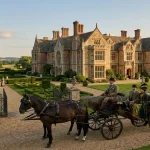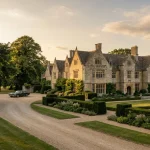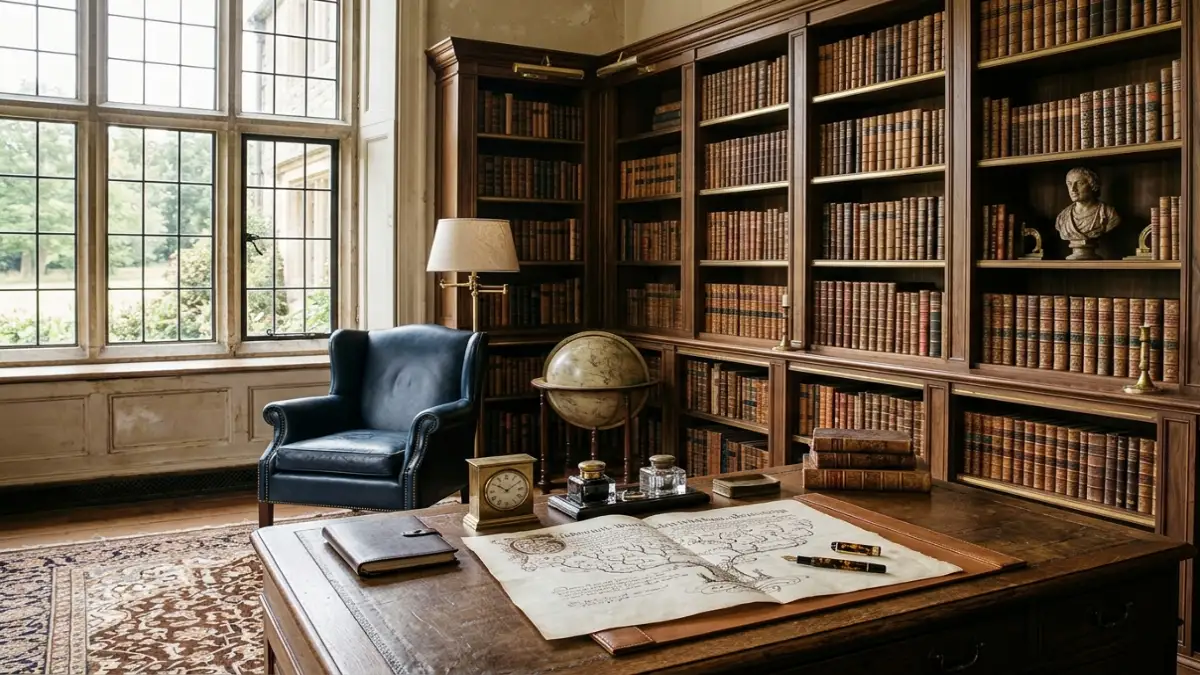
Some last names seem to carry an entire atmosphere with them. Think grand estates, polished silver, historic libraries, Parisian townhouses, and family names engraved above an old manor entrance.
That feeling is what makes luxury last names so appealing. Some sound aristocratic and traditional. Others feel sleek, cosmopolitan, quietly wealthy, or unmistakably glamorous. And the most compelling names have a quality that goes beyond money: they feel distinctive, memorable, and full of character.
If you’re naming a wealthy fictional family, developing a character, choosing a pen name, creating a brand concept, or simply exploring elegant surnames, the right name can help establish a whole identity.
This guide brings together 75 luxury last names, from classic European inspired surnames to American old money names, French elegance, sophisticated modern choices, and distinctive options from different cultural traditions. You’ll also find meanings where reasonably established, style comparisons, and practical tips for choosing a name that feels authentic rather than overdone.
Featured Snippet:
Luxury last names are surnames that evoke elegance, prestige, heritage, exclusivity, or refined style. Examples include Astor, Vanderbilt, Windsor, Sinclair, Beaumont, Montgomery, Harrington, Laurent, Cavendish, and Sterling. Some have documented historical associations with prominent families or places; others are appealing primarily for their sound and modern aesthetic.
A surname’s luxurious impression is subjective. It does not, by itself, prove that a family is wealthy, aristocratic, or descended from nobility.
What Makes a Last Name Sound Luxurious?
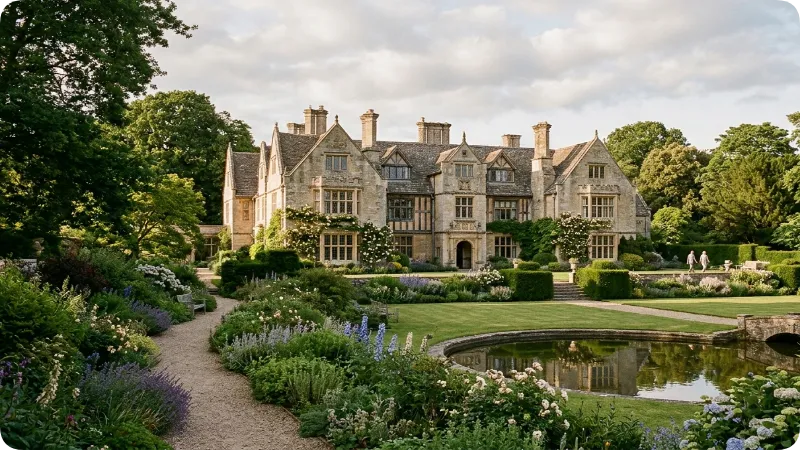
A luxury surname often balances sound, familiarity, distinctiveness, and cultural associations. It might feel refined because of its rhythm, because it appears in a well known historical context, or because it evokes a particular place or period. The strongest choice depends on the identity you want the name to communicate.
Here are five qualities that can create a luxurious impression:
- Elegant rhythm: Names such as Sinclair, Beaumont, and Laurent have a polished sound that is easy to recognize.
- Historical associations: Astor and Vanderbilt evoke prominent American family histories, while Windsor has an established connection with the British royal family.
- A sense of place: Kensington, Montclair, and Fontaine can evoke grand architecture, historic districts, or European landscapes.
- Understated confidence: Sterling, Langley, and Whitmore can sound distinguished without being overly elaborate.
- Distinctiveness: A less familiar surname can feel exclusive, especially when it is easy to pronounce and remember.
It’s worth separating a name’s documented origin from its aesthetic impression. Surnames have developed from places, occupations, relationships, personal characteristics, and many other sources. Their original meanings can also be difficult to establish with certainty. The Society for Name Studies in Britain and Ireland explains why surname histories require careful interpretation rather than guesswork.
Overview: 20 Luxury Last Names at a Glance
| Last name | Style | Overall impression | Best suited to |
| Astor | American old money | Established and exclusive | Wealthy family fiction |
| Vanderbilt | Historic American | Grand and powerful | Dynastic characters |
| Windsor | Royal and traditional | Formal and iconic | Regal inspired characters |
| Cavendish | British heritage | Aristocratic and literary | Historical fiction |
| Sinclair | Classic European | Refined and versatile | Characters and pen names |
| Montgomery | Traditional | Confident and distinguished | Established family names |
| Beaumont | French inspired | Romantic and polished | Elegant characters |
| Laurent | French | Minimalist sophistication | Modern identities |
| Harrington | British inspired | Formal and established | Family sagas |
| Sterling | Modern classic | Crisp and premium | Branding concepts |
| Kensington | Place inspired | Grand and cosmopolitan | Fictional families |
| Ashford | English inspired | Understated and classic | Contemporary fiction |
| Rothschild | European historical | Strong historical associations | Historically grounded stories |
| Fairfax | Traditional | Crisp and distinguished | Political or historical fiction |
| Langley | Quiet luxury | Subtle and composed | Modern characters |
| Duval | French inspired | Short and polished | Fiction and creative projects |
| Bellini | Italian | Artistic and expressive | Creative characters |
| Visconti | Italian historical | Dramatic and grand | Renaissance inspired fiction |
| Rosenberg | European heritage | Formal and substantial | Multigenerational stories |
| Whitmore | Classic English style | Soft and sophisticated | Contemporary family fiction |
These are style recommendations, not a ranking of real families by wealth or social status.
Classic Aristocratic Last Names
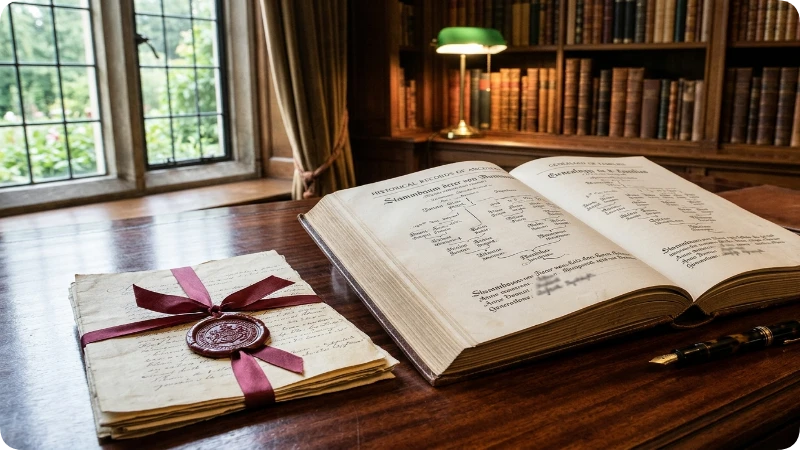
If you’re drawn to historic estates, formal portraits, family legacies, and period dramas, traditional surnames may be the right fit. Their appeal often comes from established historical associations or from a measured, traditional sound rather than an overtly flashy quality.
1. Cavendish
Vibe: British heritage, stately elegance, old world refinement.
Cavendish has a long established association with prominent British aristocratic history, including the Dukes of Devonshire. Its three syllable rhythm gives it a formal, literary quality.
It works particularly well for a historical novel, a fictional estate owning family, or a character whose world is shaped by inheritance and tradition.
2. Sinclair
Vibe: Understated, polished, quietly confident.
Sinclair has a crisp opening and a graceful finish. It feels distinguished without sounding excessively ornate, which makes it versatile for both historical and contemporary settings.
Best for: A sophisticated character, a family with a long backstory, or a memorable pen name.
3. Montgomery
Vibe: Established, confident, traditional.
Montgomery has a substantial sound that suggests history and formality. Its length gives it presence, while its familiar spelling makes it relatively accessible.
It suits family sagas, political dramas, and characters who are meant to feel composed, influential, or socially established.
4. Fairfax
Vibe: Crisp, traditional, quietly prestigious.
Fairfax has historical associations with notable English and American families. It is shorter and sharper than Montgomery, making it a good choice for someone who wants a traditional surname without too much ornament.
5. Pembroke
Vibe: Historic, formal, stately.
Pembroke is also a place name associated with Wales and a title in the British peerage. It has a traditional, almost literary quality that fits historical fiction particularly well.
6. Fitzroy
Vibe: Dramatic, heritage rich, distinctive.
Fitzroy has a strong historical association with British naming and aristocratic contexts. The prefix Fitz appears in various surnames and historical naming traditions, but its presence alone does not establish noble ancestry.
It is an expressive choice for a character with a complicated family history.
7. Harrington
Vibe: Refined, formal, established.
Harrington feels like a surname that could belong to a multigenerational family in a traditional novel. Its length gives it presence, while its familiar ending keeps it approachable.
8. Ashford
Vibe: Understated, classic, versatile.
Ashford has an English place name feel and a clean, balanced rhythm. It is less theatrical than Cavendish or Fitzroy, making it a strong choice for modern fiction with a polished atmosphere.
9. Windsor
Vibe: Royal, recognizable, historically resonant.
Windsor has an unusually strong royal association because the British royal family adopted it as its official family name in 1917. The name was chosen in connection with Windsor Castle and replaced Saxe Coburg Gotha.
For fiction, Windsor can create an immediate regal impression. In real world branding, however, that association is significant and should be considered carefully.
10. Langford
Vibe: Traditional, measured, quietly elegant.
Langford sounds established without being overly grand. It suits a character who is polished but understated, or a fictional family whose influence is implied rather than announced.
American Old Money Last Names
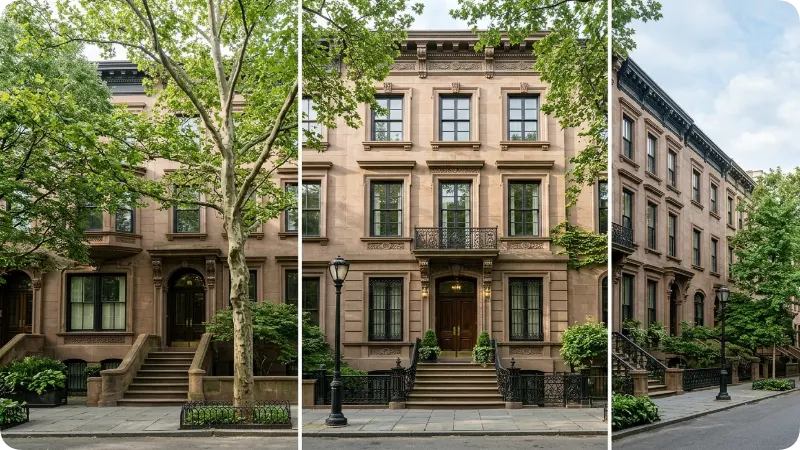
American old money aesthetics often draw on historic business families, established institutions, heritage architecture, and a sense of continuity across generations. Some surnames have specific documented links to prominent families; others simply fit the style.
Astor
Vibe: Discreet wealth, historical influence, exclusivity.
Astor is associated with the prominent Astor family, whose history includes major business and real estate interests in the United States. The name is short and instantly recognizable in contexts involving historic wealth.
Why it works: Its brevity feels confident. It does not need extra syllables or elaborate spelling to make an impression.
Vanderbilt
Vibe: Grand, powerful, dynastic.
Vanderbilt is associated with the influential American family whose fortunes grew through nineteenth century business, especially railroads. It has a commanding sound and a strong historical identity.
It is a natural reference for stories about industrial fortunes, inherited wealth, and changing American society.
Harriman
Vibe: Traditional, influential, serious.
Harriman has associations with prominent American business and political history. Its sound is formal without being especially ornate, making it useful for realistic contemporary or historical fiction.
Rockefeller
Vibe: Business legacy, scale, influence.
Rockefeller is strongly associated with the American family whose fortune began with John D. Rockefeller’s oil business. Its historical associations are far more specific than its sound alone.
For a fictional character, it may evoke a recognizable real world legacy, so it is best used thoughtfully.
Carnegie
Vibe: Intellectual, philanthropic, historic.
Carnegie is associated with Andrew Carnegie, the industrialist and philanthropist. The name carries a distinct historical identity that connects wealth with industry, libraries, education, and philanthropy.
Pemberton
Vibe: Heritage inspired, elegant, reserved.
Pemberton has a traditional rhythm and an established English surname feel. It does not carry the same universally recognizable family association as Astor or Vanderbilt, which can make it more flexible for fictional use.
Whitmore
Vibe: Quiet luxury, classic polish.
Whitmore feels softer and more understated than the grandest aristocratic names. It works well for a character who belongs to a comfortable, established family without needing to be portrayed as ostentatiously wealthy.
Sterling
Vibe: Clean, premium, modern.
Sterling is especially appealing because it works in contemporary contexts as well as fiction. The English word sterling has associations with quality and the British currency system, giving it a polished impression, though a surname’s specific origin may differ.
Kensington
Vibe: Grand, urban, cosmopolitan.
Kensington is a London place name with strong associations with architecture, historic neighborhoods, and an upscale urban image. It can be effective in fiction, but it may sound more like a place based surname or brand concept than an everyday family name.
Langley
Vibe: Restrained, established, composed.
Langley is a practical choice for a contemporary story. It is easy to read, easy to pronounce for many English speakers, and refined without feeling exaggerated.
A useful distinction
If you want a name with documented historic family associations, consider Astor, Vanderbilt, Rockefeller, or Carnegie. If you want the feeling of understated wealth without directly invoking a famous family, Langley, Whitmore, Ashford, and Pemberton may be more flexible choices.
French Inspired Luxury Last Names
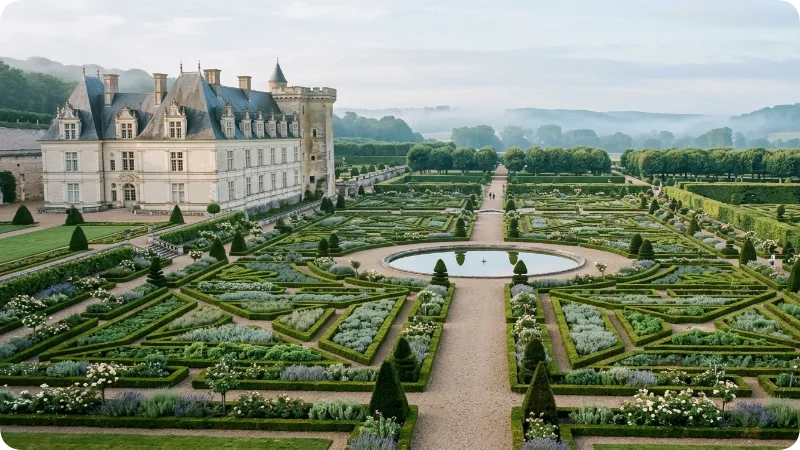
French surnames can appeal to readers who associate French language and place names with fashion, architecture, food, art, and refined design. That is an aesthetic association, not a claim that every French surname is aristocratic or luxurious.
| Last name | Origin or linguistic note | Style impression |
| Beaumont | French surname and place name; beau means beautiful or handsome, while mont means mountain | Romantic, stately |
| Laurent | French form related to the Latin name Laurentius | Polished, understated |
| Moreau | Established French surname with historical regional and linguistic variation | Artistic, classic |
| Duval | French surname built from du and val, associated with a valley | Short, composed |
| Fontaine | French word for fountain; also a surname and place name | Graceful, literary |
| Delacroix | Established French surname; famously associated with painter Eugène Delacroix | Artistic, dramatic |
| Montclair | French language place name construction | Sleek, cosmopolitan |
| Bellamy | A surname with French linguistic roots, historically associated with bel ami, “beautiful friend” | Warm, elegant |
| Rochefort | French place name and surname | Formal, cinematic |
| Villeneuve | French place name and surname meaning a “new town” in its linguistic components | Grand, literary |
Beaumont
Beaumont is one of the strongest choices if you want a name that feels romantic and stately at the same time. Its linguistic components are recognizable French words, but the precise history of an individual family’s surname may require separate research.
It pairs naturally with traditional given names and works especially well for a fictional family associated with a historic house, art collection, or vineyard.
Laurent
Laurent is more restrained. Its compact shape and soft final sound make it feel modern and sophisticated rather than heavily historical.
It can suit a contemporary character, fashion focused creative project, or pen name, provided the cultural context feels appropriate.
Fontaine
Fontaine has an airy, graceful quality and a direct French language association with a fountain. It feels more poetic than imposing, which makes it a good choice for literary or artistic characters.
Delacroix
Delacroix carries an established cultural association with French painter Eugène Delacroix. That connection makes it especially appealing for art related fiction, although the surname itself does not mean “luxury.”
Choosing between them: Beaumont feels stately, Laurent feels sleek, Fontaine feels graceful, and Delacroix feels artistic and dramatic.
Italian Luxury Last Names
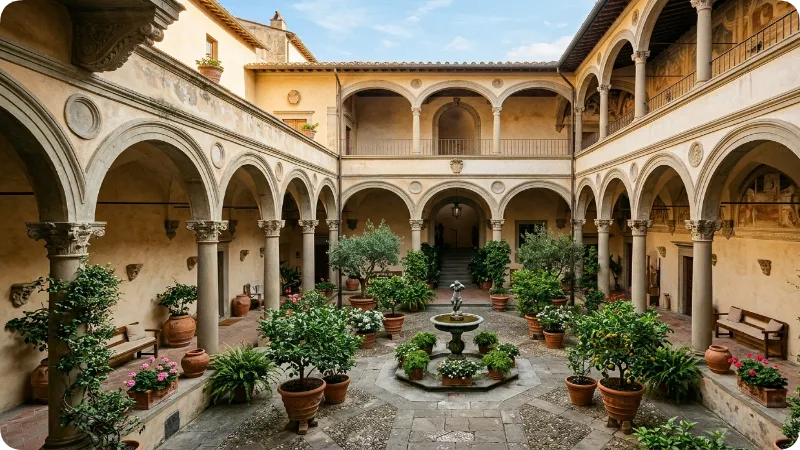
Italian surnames offer a wide range of styles, from short and contemporary to names associated with historic city states, art, and political dynasties. These historical connections can add texture to a fictional name, but they should not be mistaken for evidence of a particular person’s ancestry.
Medici
Vibe: Renaissance power, art, patronage, political influence.
The Medici family played a major role in the history of Florence and the Italian Renaissance. The surname is an unmistakable choice for historical fiction about political alliances, patronage, art, and family power.
Because the association is so specific, it may feel too direct for an unrelated modern character.
Visconti
Vibe: Historic, dramatic, cultured.
The Visconti were a prominent ruling family in Milan. The surname has a grand, cinematic feel and works especially well in stories set around Renaissance Italy or inspired by historic European courts.
Sforza
Vibe: Bold, commanding, historical.
The Sforza family is associated with the history of Milan. The name is concise and strong, making it particularly effective for a powerful character or a historical family.
Bellini
Vibe: Artistic, graceful, approachable.
Bellini is associated with Italian cultural history, including artists and composers who bore the name. It has a musical rhythm that feels elegant without being overly formal.
Conti
Vibe: Compact, traditional, confident.
Conti is an Italian surname related to conte, meaning “count.” That linguistic connection does not mean every person with the surname descends from a count or noble family.
It is a short, memorable choice for fiction, especially where Italian cultural context is relevant.
Moretti
Vibe: Familiar, expressive, contemporary.
Moretti has an approachable rhythm and a distinctly Italian surname style. It may be a better fit for realistic contemporary fiction than a more overtly historical name such as Medici or Visconti.
Luxury Last Names That Sound Modern and Minimalist
Not every premium sounding name needs a castle, a title, or a centuries old backstory. Sometimes the most convincing luxury aesthetic is clean, restrained, and easy to remember.
These names are especially useful for contemporary characters, pen names, fictional creative studios, and early stage brand concepts.
| Name | Sound | Best quality |
| Sterling | Crisp and confident | Premium simplicity |
| Sinclair | Refined and balanced | Versatility |
| Laurent | Smooth and understated | Modern elegance |
| Langley | Calm and traditional | Quiet confidence |
| Ellis | Short and approachable | Contemporary ease |
| Blair | Minimal and polished | Strong visual identity |
| Quinn | Compact and memorable | Modern versatility |
| Reed | Clean and direct | Understated simplicity |
| Hayes | Contemporary and confident | Easy pronunciation |
| Vaughn | Short and distinctive | Strong character |
| Brooks | Familiar and composed | Casual sophistication |
| Westbrook | Traditional but accessible | Established family feel |
The most important difference is not how expensive these names sound. It is how they fit the person or project carrying them.
For example, Sterling has a sharper, more premium impression, while Ellis feels softer and more contemporary. Sinclair is more formal than Reed, and Westbrook feels more traditional than Quinn.
If your goal is quiet luxury, a shorter name can be more effective than a deliberately elaborate one.
Rare and Distinctive Luxury Last Names
A distinctive surname can help a character stand apart without resorting to unusual spelling or an invented aristocratic title. The names below have a traditional or place inspired feel, although their actual frequency varies by country and community.
- Ainsworth — traditional, literary, and substantial.
- Wetherby — country house atmosphere, with a gentle rhythm.
- Hargrove — grounded and strong, suitable for a multigenerational family story.
- Langford — reserved and classic.
- Ashbourne — stately and place inspired.
- Westcott — crisp, traditional, and easy to use in fiction.
- Ellington — musical and cultured, with an established surname history.
- Hollingsworth — long, formal, and deliberately old fashioned in feel.
- Montrose — dramatic, elegant, and associated with place names.
- Waverly — soft, literary, and suitable for contemporary or period fiction.
- Fairchild — distinctive, with a direct English language meaning that creates a gentler impression.
- Blackwood — darker and more atmospheric, especially for mystery or gothic fiction.
Which distinctive names feel most luxurious?
For quiet sophistication, try Ainsworth, Langford, or Westcott. a more dramatic, stately effect, consider Ashbourne or Hollingsworth. gothic or mystery fiction, Blackwood offers a stronger emotional identity.
Remember that rare is not a universal property. A surname that seems unusual to one reader may be familiar in a particular region or cultural community.
Luxury Surnames From Different Cultural Traditions
Luxury naming inspiration should not be limited to British aristocracy or European family histories. Many cultural traditions have surnames with deep histories, distinctive sounds, and meaningful associations. Their significance depends on language, region, family history, and individual context—not on a universal ranking of prestige.
| Surname | Cultural or linguistic context | Naming consideration |
| Rothschild | European Jewish family name associated with a prominent historical banking family | Strong, specific historical associations |
| O’Connell | Irish surname | Consider Irish history and pronunciation |
| MacLeod | Scottish surname | A recognizable Scottish heritage association |
| Dubois | French surname | Established French language surname |
| Rosenberg | German language and Ashkenazi Jewish surname contexts | Origins can vary by family |
| Patel | Gujarati and wider South Asian contexts | A common surname with diverse family histories |
| Singh | Used across South Asian communities, with important Sikh and other cultural contexts | Meaning and use depend on cultural context |
| Khan | A surname and title used across several regions and traditions | Historical and contemporary uses vary |
| Nakamura | Japanese surname | Respect Japanese naming conventions and romanization |
| Park | Common romanized Korean surname, among other uses | Context matters; not every Park shares one family origin |
Some of these names are associated with prominent historical families, while others are common surnames whose importance is rooted in family, community, or cultural identity. They should not be presented as interchangeable symbols of wealth.
A useful rule: If you are naming a character from a specific cultural background, choose a surname that fits that background and research its history. A name’s perceived luxury should never outweigh cultural accuracy.
How to Choose the Right Luxury Last Name
The best surname is not necessarily the grandest one. It is the one that supports your intended identity, sounds natural beside the first name, and feels right in the setting where it will appear.
1. Start with the purpose
For a fictional old money dynasty, Astor inspired or Vanderbilt inspired naming may establish the intended atmosphere, while a less directly recognizable surname such as Langley or Ashford offers more creative freedom.
contemporary character, Laurent, Sinclair, Ellis, or Sterling may feel more natural.
a historical European story, a name such as Cavendish, Medici, Visconti, or Sforza may work when its historical and cultural setting is appropriate.
2. Match the emotional tone
| Desired impression | Names to consider |
| Royal and formal | Windsor, Pembroke, Cavendish |
| Quietly wealthy | Langley, Whitmore, Ashford |
| Bold and powerful | Vanderbilt, Sforza, Rockefeller |
| French inspired elegance | Beaumont, Laurent, Fontaine |
| Artistic and cultured | Bellini, Delacroix, Ellington |
| Dark and mysterious | Blackwood, Montrose, Waverly |
| Modern and minimalist | Blair, Reed, Hayes |
| Historic American influence | Astor, Carnegie, Harriman |
These are stylistic impressions, not objective measures of social standing.
3. Say the full name aloud
A surname that looks beautiful on a page may not flow well with every given name. Pay attention to repeated sounds, syllable count, and pronunciation.
For example:
- Clara Sinclair feels balanced and classic.
- Julian Beaumont sounds formal and romantic.
- Evelyn Sterling has a crisp, polished rhythm.
- Alexander Cavendish feels traditional and grand.
- Maya Laurent feels compact and contemporary.
These combinations are examples of sound and style, not claims about real people.
4. Think about the character’s world
A name should feel believable in its setting. A fictional dynasty in a contemporary New York drama may call for a different surname from a Renaissance Italian family or a French historical romance.
Ask yourself:
- Does the name fit the character’s cultural background?
- Does it match the period and location?
- Is it easy enough for readers to remember?
- Does it suggest the intended personality without becoming a stereotype?
- Is it too closely associated with a real family or public figure?
5. Check cultural fit and real world use
a pen name or brand concept, check pronunciation, existing businesses, trademarks, domain availability, and possible unintended meanings before committing. For a real surname change, consider personal identity, family history, and local legal requirements.
For genealogical research, investigate records and documented family relationships rather than assuming that a prestigious sounding surname reveals ancestry.
Luxury Last Names: Quick Comparisons
Sometimes the easiest way to choose is to compare similar styles directly.
| If you like… | Choose… | Because… |
| Grand historical names | Cavendish | Strong period drama atmosphere |
| Famous American family history | Astor | Short and historically recognizable |
| Royal associations | Windsor | Direct connection to the British royal family |
| Understated elegance | Sinclair | Refined without being elaborate |
| French inspired romance | Beaumont | Stately, lyrical sound |
| Minimalist sophistication | Laurent | Smooth and contemporary |
| Quiet old money style | Langley | Traditional without being too theatrical |
| Powerful historical fiction | Sforza | Compact and associated with Milanese history |
| Artistic sophistication | Bellini | Musical rhythm and cultural associations |
| Dark, atmospheric fiction | Blackwood | Strong imagery and gothic potential |
What if you want a name that sounds rich but realistic?
Choose a surname that feels natural in ordinary conversation, not just in a dramatic title card. Sinclair, Ashford, Langley, Laurent, Ellis, and Whitmore are useful starting points because they can fit a range of fictional settings without requiring the character to belong to a famous dynasty.
If historical specificity is the point, a name such as Medici or Vanderbilt can be powerful—but the real world associations should be intentional.
Frequently Asked Questions
What is the most luxurious last name?
There is no universally most luxurious surname. Astor, Vanderbilt, and Rockefeller have strong associations with prominent American family histories, while Windsor is directly connected to the British royal family. For a more understated aesthetic, Sinclair, Beaumont, and Laurent are compelling options.
What last names sound like old money?
Names such as Astor, Vanderbilt, Harrington, Cavendish, Sinclair, Ashford, and Langley are often useful for an old money aesthetic. Some have specific historical associations; others are selected for their traditional sound. The impression is subjective and does not establish anyone’s actual wealth.
What are elegant French last names?
Beaumont, Laurent, Moreau, Duval, Fontaine, Delacroix, and Villeneuve are established French surnames or French language names. Their histories differ, so research a particular surname if its exact origin matters to your project.
What are some rare luxury last names?
Ainsworth, Wetherby, Ashbourne, Westcott, Montrose, and Hollingsworth can feel distinctive in English language fiction. However, rarity depends on location and population, so these names should not automatically be described as statistically rare everywhere.
Do luxury sounding surnames mean someone is wealthy?
No. A surname can be associated with a prominent family, a place, an occupation, or an older linguistic tradition without indicating the wealth or social position of everyone who carries it. Aesthetic impressions are not evidence of ancestry or financial status.
How can I find the real meaning of a surname?
Start with reputable surname dictionaries, genealogical records, historical documents, and specialist onomastic resources. The Society for Name Studies in Britain and Ireland notes that surnames can change in spelling and meaning over time, and that a name’s modern appearance may be misleading.
Can I use a luxury last name for a brand or pen name?
Potentially, but check existing uses, trademarks, cultural context, and If the name could create confusion with a real family or business. A name that sounds elegant is not automatically available for commercial use.
Final Thoughts: The Best Luxury Last Names Feel Effortless
A memorable luxury surname does more than suggest money. It creates a sense of identity.
Some names carry the weight of documented history. Others feel elegant because of their rhythm, simplicity, or cultural associations. And some are most effective precisely because they avoid sounding extravagant.
For historic grandeur, consider Cavendish, Windsor, or Pembroke. American family history associations, Astor, Vanderbilt, and Carnegie offer clear reference points. quieter sophistication, Sinclair, Laurent, Langley, and Whitmore are versatile choices.
Ultimately, choose the name that fits the story, person, or project you have in mind. A surname should feel convincing when written, natural when spoken, and memorable long after someone encounters it.

Amara uncovers the hidden history, origins, and meanings behind names. She curates Namestylo’s historical, cultural, and baby naming guides to ensure every suggestion carries deep significance. In her free time, she devours historical fiction and mythology.