SEO Title: DNI Meaning in Text: What Does DNI Mean on Social Media?
Primary Keyword: DNI meaning in text
Search Intent: Informational. Readers want to understand what DNI means in text messages, social media bios, comments, and online conversations.
Emotional Intent: Avoid misunderstanding someone’s boundaries, online preferences, or social media message.
Audience: Gen Z, social media users, teenagers, parents, and anyone unfamiliar with internet slang.
Naming Use Case: This is an internet terminology topic rather than a traditional baby name or personal name topic. The article should focus on meaning, context, interpretation, and examples.
DNI Meaning in Text: What Does DNI Mean on Social Media?
Have you ever come across DNI in someone’s Instagram bio, TikTok profile, or online conversation and wondered what those three letters actually mean?
You’re not alone. Internet slang changes quickly, and some abbreviations carry more meaning than they initially appear to.
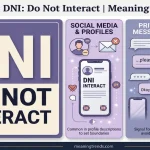
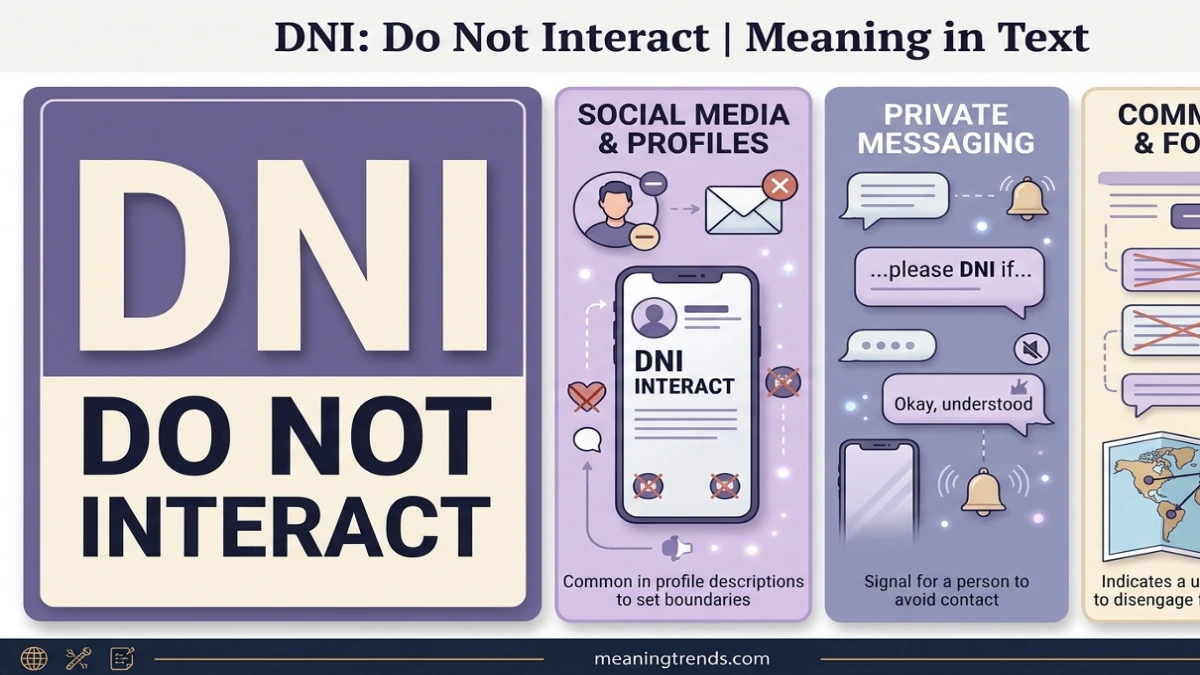
DNI most commonly stands for “Do Not Interact.” It is an online boundary setting abbreviation used when someone wants particular people or groups to avoid engaging with their content, profile, or online community.
Although it might look like a simple internet acronym, DNI can communicate personal preferences, social boundaries, and expectations about online interactions.
If you’ve spotted it in a social media bio, fandom account, comment section, or direct message, understanding its meaning can help you navigate online spaces more confidently.
What Does DNI Mean in Text?
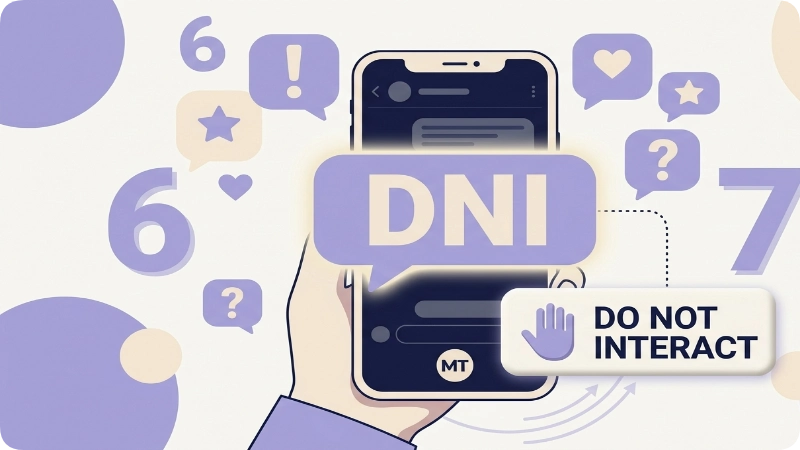
DNI means “Do Not Interact.” It is commonly used on social media to tell specific people or groups not to follow, message, comment on, or otherwise engage with someone’s content.
For example:
- “DNI if you’re under 18.”
- “DNI if you support bullying.”
- “DNI with my account if you dislike this fandom.”
In simple terms, DNI is a request for certain people to stay away from someone’s online space.
What Does DNI Mean in Someone’s Bio?
When someone puts DNI in their social media bio, they are usually making their interaction preferences clear before people follow or contact them.
For example:
| Bio example | What it means |
| Minors DNI | People under the specified age should not interact. |
| Racists DNI | People with racist views should stay away. |
| Antis DNI | People who oppose the specified person, group, or fandom should not interact. |
| DNI if you spread hate | The account owner does not welcome hateful interactions. |
| DNI: toxic accounts | The user wants to avoid accounts they consider toxic. |
A DNI section can be short or detailed. Some users write only one restriction, while others create longer lists explaining their boundaries.
The important thing is to read the entire statement rather than interpreting the three letters alone.
Why Do People Use DNI?
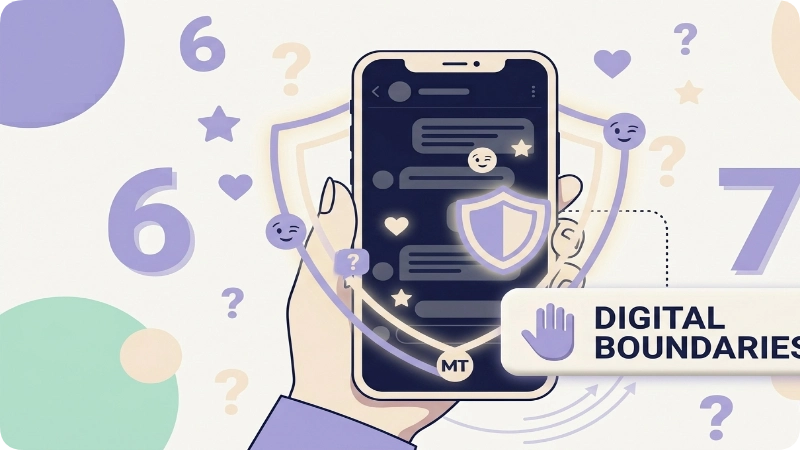
People use DNI for several reasons, but the central idea is usually the same: they want more control over who engages with their online presence.
1. To establish personal boundaries
Not everyone feels comfortable interacting with every person online. DNI allows users to communicate their preferences without explaining themselves repeatedly.
2. To create safer online spaces
Some people use DNI to discourage harassment, discrimination, bullying, or unwanted attention.
3. To set age related restrictions
You might see phrases such as “minors DNI” or “18+ DNI.” These communicate age related interaction boundaries, particularly around mature content.
4. To manage fandom communities
Fandom accounts sometimes use DNI to discourage arguments between people with conflicting opinions about fictional characters, relationships, games, or entertainment franchises.
For example:
“Character antis DNI.”
This means people who dislike or oppose the specified character are being asked not to interact.
5. To avoid unwanted conversations
Sometimes, DNI is simply a straightforward way of saying that someone does not want particular types of conversations or interactions.
What Does DNI Mean on Different Social Media Platforms?
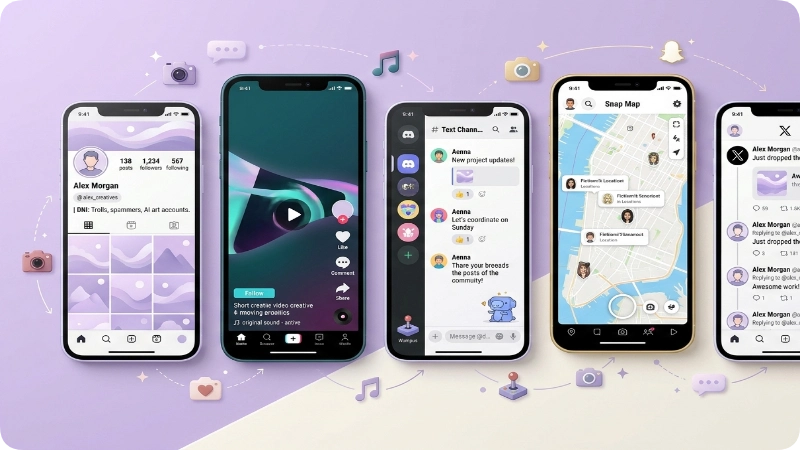
The basic meaning stays the same across platforms, although the way people use it can differ.
DNI Meaning on Instagram
On Instagram, DNI commonly appears in profile bios, captions, and comments.
Someone might write:
“DNI: hateful accounts.”
This communicates that they do not want accounts displaying hateful behavior to engage with their content.
DNI Meaning on TikTok
TikTok users may include DNI in their bios or video descriptions to establish interaction boundaries.
For example:
“Minors DNI. Adult content creator.”
The statement asks underage users not to interact with the account.
DNI Meaning on Discord
On Discord, users may include DNI lists in their profiles or community related spaces.
These lists can explain which types of users should avoid contacting them or joining particular interactions.
DNI Meaning on Snapchat
On Snapchat, DNI can appear in profile descriptions or informal conversations. It generally retains its usual meaning: Do Not Interact.
DNI Meaning on X (Twitter)
On X, users may include DNI restrictions in their bios, pinned posts, or replies.
These statements are sometimes connected to personal boundaries, political disagreements, or fandom discussions.
DNI Examples in Everyday Text Conversations
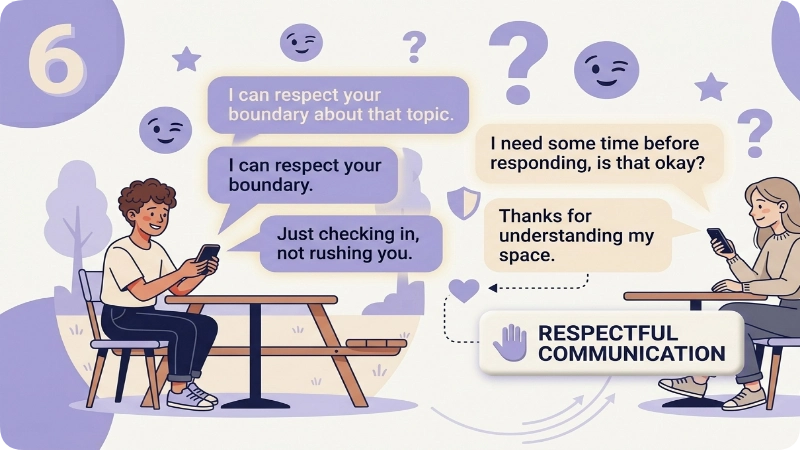
The easiest way to understand internet slang is to see how people actually use it.
Here are some realistic examples.
| Example | Meaning |
| “Minors DNI.” | People under the specified age should not interact. |
| “DNI if you support bullying.” | People who support bullying should not engage. |
| “Please respect my DNI.” | Respect the person’s interaction restrictions. |
| “My profile says DNI.” | The profile already explains who should not interact. |
| “DNI with my account.” | Do not engage with the account. |
| “Haters DNI.” | People who come to spread hate should stay away. |
Example 1: In a direct message
Person A: “Hey, can we talk?”
Person B: “Sorry, my bio says DNI.”
Meaning: Person B is reminding the other person that they have requested certain interactions not take place.
Example 2: In a fandom community
Person A: “Why can’t I comment on that fan page?”
Person B: “The creator has a DNI list for people who dislike that character.”
Meaning: The creator has established a boundary around their fandom content.
Example 3: In a group chat
Person A: “Should we invite that account?”
Person B: “No, their DNI specifically mentions our group.”
Meaning: The account owner has asked people in that particular category not to interact.
DNI vs. BYI vs. DNF vs. DND: What’s the Difference?
Internet abbreviations can look similar, but they communicate different things.
| Abbreviation | Full form | Meaning |
| DNI | Do Not Interact | Requests that certain people avoid interacting. |
| BYI | Before You Interact | Provides information to read before engaging. |
| DNF | Do Not Follow | Requests that certain people do not follow an account. |
| DND | Do Not Disturb | Indicates that someone does not want to be interrupted. |
| NSFW | Not Safe For Work | Warns that content may be inappropriate for certain settings. |
| BYF | Before You Follow | Provides information or guidelines before following. |
The most important distinction is between DNI and BYI.
DNI means stay away, while BYI means read this information before interacting.
They both communicate expectations, but their purposes are different.
Is DNI Rude or Disrespectful?
Not necessarily.
DNI can sound direct, but it is not automatically rude. Its tone depends on the person using it and the wording surrounding it.
For some people, it is simply a practical way to communicate personal boundaries.
For others, particularly those unfamiliar with internet culture, it may seem unnecessarily strict.
Consider these two examples:
- “DNI if you enjoy bullying people.”
- “Everyone who disagrees with me DNI.”
Both use the same abbreviation, but the underlying messages are different.
The first establishes a boundary against harmful behavior. The second may reflect a personal preference or an attempt to avoid disagreement.
Understanding the context is important before judging the person using it.
Does DNI Mean Someone Has Blocked You?
No. DNI and blocking are two different things.
DNI is a written request. Blocking is an actual platform feature.
| DNI | Blocking |
| Communicates an interaction boundary | Technically restricts an account |
| Usually appears in a bio or post | Usually happens through account settings |
| Depends on people respecting the request | Enforced through platform functionality |
| Does not automatically prevent messages | May prevent or restrict messages and other interactions |
For example, someone can write “DNI” in their Instagram bio without blocking anyone.
If you see a DNI notice, it does not necessarily mean you have been personally blocked. It may simply be a general boundary applying to a particular group.
Other Meanings of DNI Outside Social Media
Although “Do Not Interact” is the common meaning in internet slang, DNI can represent different things in other contexts.
| Context | Meaning |
| Social media | Do Not Interact |
| Medical terminology | Do Not Intubate |
| U.S. government | Director of National Intelligence |
| Spanish identification | Documento Nacional de Identidad |
For example, in Spain, DNI refers to the national identity document. In U.S. government discussions, it can refer to the Director of National Intelligence.
This is why context matters. If you encounter DNI in a TikTok bio, it probably means Do Not Interact. If you see it in a medical or government document, the intended meaning may be entirely different.
What does DNI mean online?+2
Frequently Asked Questions About DNI
1. What does DNI mean in texting?
DNI usually means “Do Not Interact.” It tells certain people not to message, follow, comment on, or engage with someone.
2. What does DNI mean on TikTok?
On TikTok, DNI means “Do Not Interact.” Users commonly put it in their bios, captions, or comments to communicate who should avoid interacting with their content.
3. What does DNI mean on Instagram bio?
It means the account owner has specific interaction boundaries. The words following DNI usually explain which people or groups should not engage.
4. What does minors DNI mean?
“Minors DNI” means people under the specified age should not interact with the account or its content. It is particularly common around age restricted or mature content.
5. What does DNI mean in Discord?
DNI means “Do Not Interact.” Discord users may include it in their profiles or community descriptions to establish personal interaction boundaries.
6. What does DNI mean in fandom?
In fandom communities, DNI tells particular groups of fans not to interact with someone’s content. For example, a person might ask fans who dislike a particular fictional character not to engage with their account.
7. Is DNI the same as DNF?
No. DNI means “Do Not Interact,” while DNF means “Do Not Follow.” DNI is a broader request that can include messages, comments, follows, and other interactions.
8. What should you do if someone’s bio says DNI?
Read the complete statement to understand who the restriction applies to. If you belong to the specified group, respect the person’s request and avoid interacting with their account.
9. Can DNI have a different meaning?
Yes. Outside internet slang, DNI can mean “Do Not Intubate,” “Director of National Intelligence,” or “Documento Nacional de Identidad,” depending on the context.
10. Is DNI still used in 2026?
Yes. DNI remains recognizable internet shorthand, particularly in social media profiles and online communities. Its meaning is generally understood as “Do Not Interact.”
Conclusion: Understanding DNI in Modern Internet Culture
So, what does DNI mean in text?
The answer is simple: DNI stands for “Do Not Interact.”
It is a popular internet abbreviation used to communicate personal boundaries and explain which people should avoid engaging with someone’s online content.
You might encounter it on TikTok, Instagram, Discord, X, or within fandom communities. Although the wording and situations may vary, the central message remains the same.
The next time you see DNI in someone’s bio or message, take a moment to read the surrounding words. They will usually tell you exactly what the person means.
Understanding small expressions like DNI makes online communication easier, helps prevent misunderstandings, and encourages more respectful interactions across digital communities.

Amara uncovers the hidden history, origins, and meanings behind names. She curates Namestylo’s historical, cultural, and baby naming guides to ensure every suggestion carries deep significance. In her free time, she devours historical fiction and mythology.