Emotional Introduction
A drum kit is more than wood, metal, and tension rods it’s a heartbeat machine. Every sound you hear in rock, jazz, pop, or worship music starts with a carefully built system of parts working in harmony. But for beginners, learners, and even curious listeners, the question often starts simple: what are the drum parts called?
Understanding drum parts names doesn’t just help you learn faster it helps you feel the instrument. Once you know what each piece does, a drum kit stops looking complicated and starts feeling like a creative playground where every component has a voice.
If you’re a beginner drummer, a music student, a content creator writing about instruments, or just someone exploring music terminology, this guide breaks everything down in a clean, memorable, and human way.
Featured Snippet
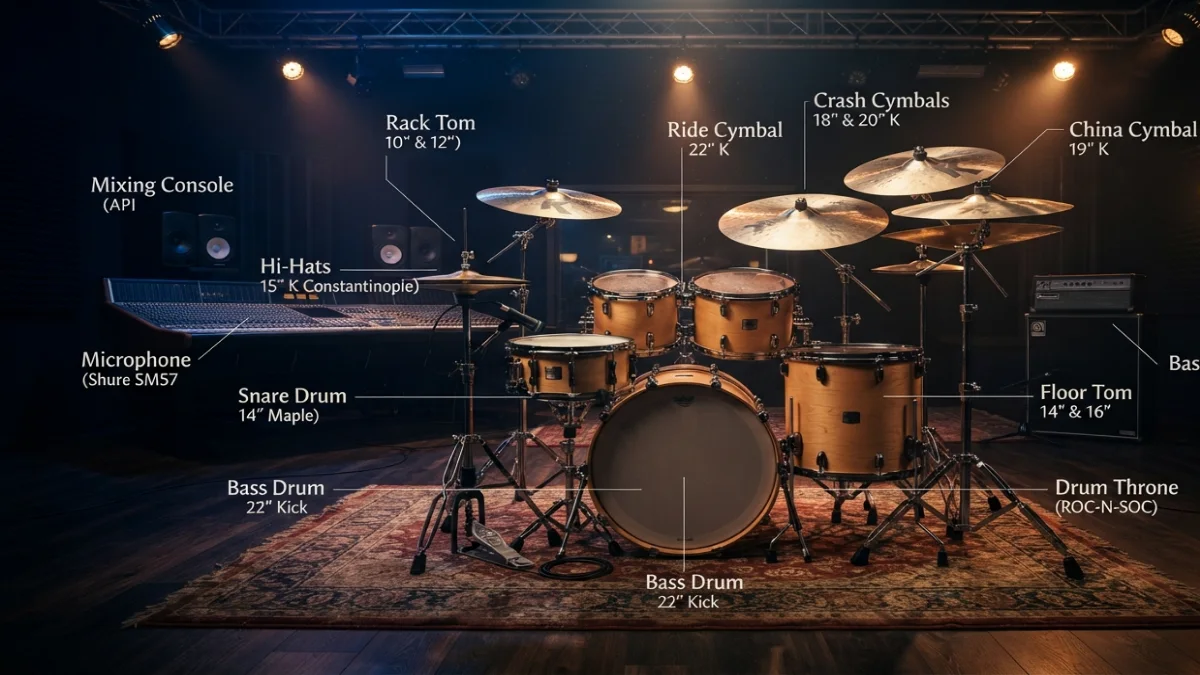
A drum kit is made of two main groups of parts: drums and hardware/cymbals. The core drum parts include the bass drum, snare drum, tom toms, and floor tom. Cymbals include hi hat, crash, ride, splash, and china cymbals. Supporting hardware includes stands, pedals, rims, lugs, snare wires, and the drum throne.
Drum Kit Overview (Quick Structure)
| Category | Main Parts | Purpose |
| Core Drums | Bass drum, Snare drum, Tom toms, Floor tom | Produce primary rhythm sounds |
| Cymbals | Hi hat, Crash, Ride, Splash, China | Add accents, texture, and dynamics |
| Hardware | Pedals, Stands, Rims, Lugs, Thrones | Support and control the kit |
| Internal Parts | Snare wires, bearing edges, tension rods | Control tone and tuning |
Core Drum Parts Names (The Heart of the Kit)
Bass Drum (Kick Drum)
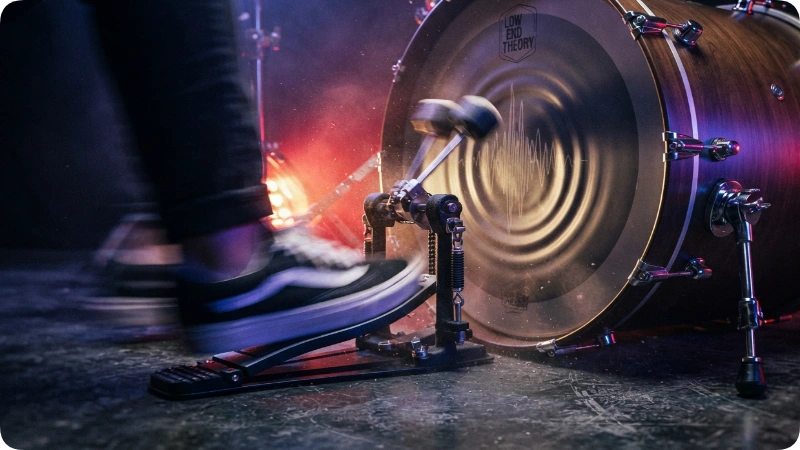
The bass drum is the deep heartbeat of the kit.
- Meaning: Foundation rhythm producer
- Sound: Low, punchy “thump”
- Played with: Foot pedal
- Vibe: Power, depth, stability
- Social impression: The anchor of every groove
- Modern feel: Essential in almost every genre from EDM to rock
👉 This is the drum that makes music feel physically alive.
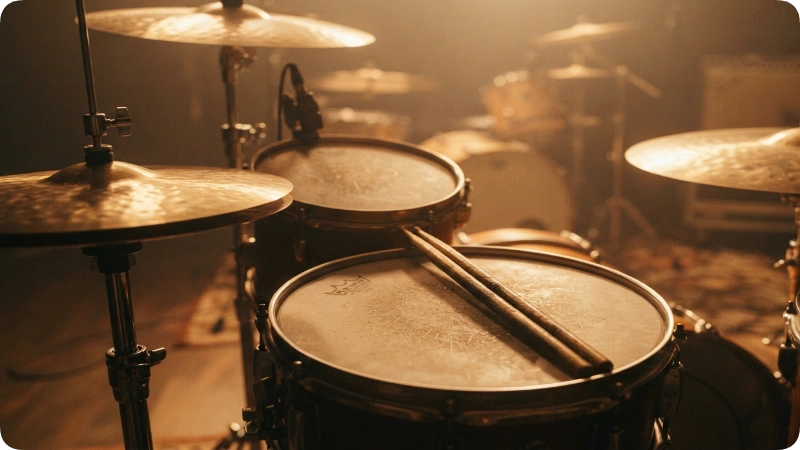
Snare Drum
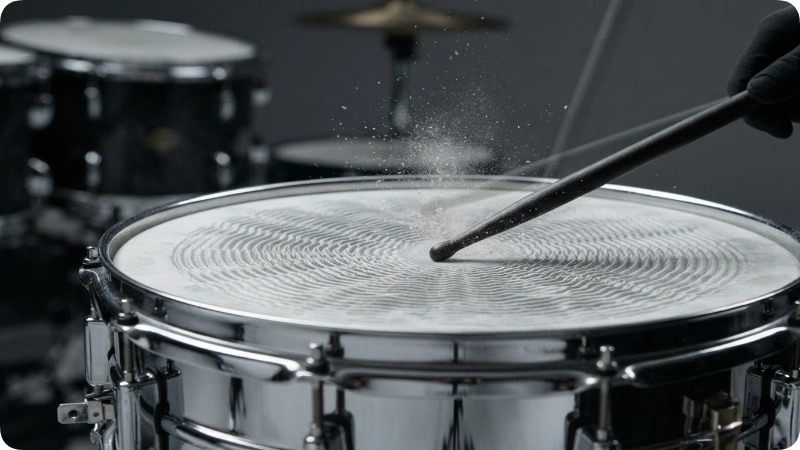
The snare is the sharp voice of the drum kit.
- Sound: Crisp, sharp “crack”
- Role: Backbeat leader
- Structure: Snare wires under the drum head
- Vibe: Energy, clarity, control
- Emotional feel: The “signature voice” of rhythm
💡 Without the snare, most modern beats lose their identity.
Tom Toms (Rack Toms)
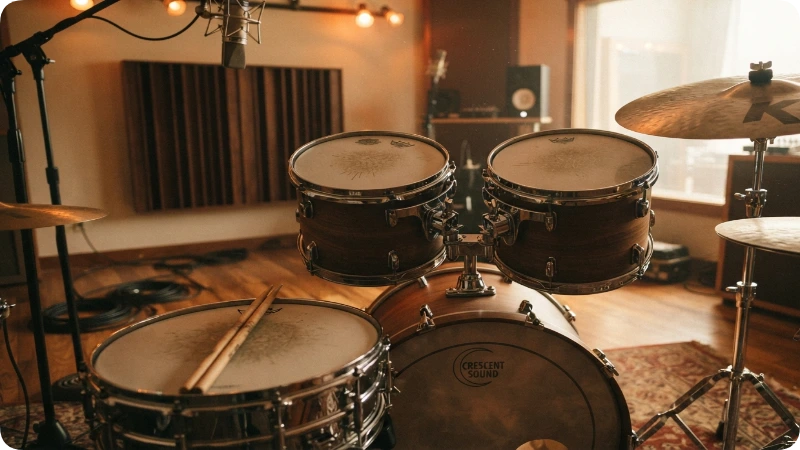
Tom toms add melody like movement to drumming.
- Sound: Warm, mid range tones
- Placement: Mounted above bass drum
- Vibe: Flow, rhythm storytelling
- Use case: Fills, transitions, solos
They feel like “conversation pieces” inside a drum kit.
Floor Tom
The floor tom is the deep storyteller.
- Sound: Low, booming resonance
- Position: Standing next to drummer
- Vibe: Drama, depth, emotional impact
- Use case: Powerful fills and endings
It bridges rhythm and emotion beautifully.
Cymbal Names (The Emotional Color of Drums)
Hi Hat
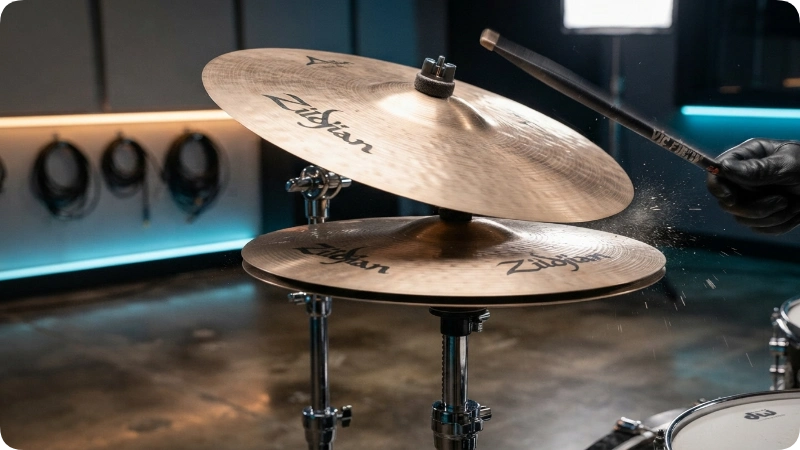
The hi hat is the pulse engine of modern drumming.
- Structure: Two cymbals on a pedal stand
- Sound: Crisp “chick” or closed shimmer
- Vibe: Precision, rhythm control
- Role: Timekeeping backbone
👉 Most grooves live and breathe through the hi hat.
Crash Cymbal
The crash is pure emotional release.
- Sound: Loud, explosive burst
- Use: Accents, transitions
- Vibe: Drama, impact, intensity
- Aesthetic: Cinematic energy
Perfect for moments that need power.
Ride Cymbal
The ride is smooth continuity.
- Sound: Sustained “ping” or wash
- Use: Steady rhythm patterns
- Vibe: Flow, professionalism, control
- Genre: Jazz, rock, pop
It keeps music moving without interruption.
Splash Cymbal
Small but expressive.
- Sound: Quick, bright accent
- Vibe: Playful, sharp, modern
- Use: Subtle highlights in beats
Think of it as musical punctuation.
China Cymbal
The china cymbal is raw attitude.
- Sound: Trashy, aggressive crash
- Vibe: Chaos, energy, rebellion
- Use: Rock, metal, cinematic hits
It adds edge to modern drumming.
Drum Hardware Components
(The Silent Support System)
Bass Drum Pedal
- Controls bass drum
- Converts foot motion into sound
- Vibe: Mechanical precision + rhythm control
Drum Seat
- The drummer’s seat
- Adjustable height for posture
- Vibe: Stability and endurance
Cymbal and Drum Stands
- Hold cymbals and drums
- Provide balance and positioning
- Vibe: Structural support system
Lugs & Tension Rods
- Small but essential tuning parts
- Control drum head tension
- Vibe: Fine control, precision engineering
Drum Rim (Hoop)
- Holds drumhead in place
- Affects tone and tuning response
- Vibe: Structure and stability
Snare Wires
- Metallic strands under snare drum
- Create signature snare “buzz”
- Vibe: Sharpness, identity, texture
Bearing Edge
- Edge of drum shell where head sits
- Influences resonance and tone
- Vibe: Hidden sound designer
Drum Parts by Emotional Vibe (Creative Categorization)
Power & Depth
- Bass drum
- Floor tom
Precision & Control
- Snare drum
- Hi hat
- Lugs & tension rods
Energy & Explosion
- Crash cymbal
- China cymbal
Flow & Musicality
- Ride cymbal
- Tom toms
Subtle Expression
- Splash cymbal
- Snare wires
FAQs About Drum Parts Names
What are the 4 main drum parts in a kit?
The main drum parts are the bass drum, snare drum, tom toms, and floor tom.
What are cymbals used for in drums?
Cymbals add accents, rhythm texture, and emotional emphasis to drum patterns.
What is the most important drum part?The snare drum is often considered the most important because it defines the backbeat in most modern music.
What are drum hardware parts?
Hardware includes stands, pedals, thrones, lugs, tension rods, and mounting systems that support the drum kit.
Why is it important to learn drum parts names?
It helps with learning, tuning, communication with other musicians, and understanding how drumming works structurally and musically.
Conclusion
Learning drum parts names is like decoding the language of rhythm. Each component from the powerful bass drum to the delicate splash cymbal adds its own emotional layer to music. Once you understand how these parts work together, a drum kit stops being just an instrument and becomes a living system of expression, timing, and energy.
If you’re a beginner or a music enthusiast, knowing these names gives you confidence, clarity, and a deeper appreciation for every beat you hear.

Amara uncovers the hidden history, origins, and meanings behind names. She curates Namestylo’s historical, cultural, and baby naming guides to ensure every suggestion carries deep significance. In her free time, she devours historical fiction and mythology.