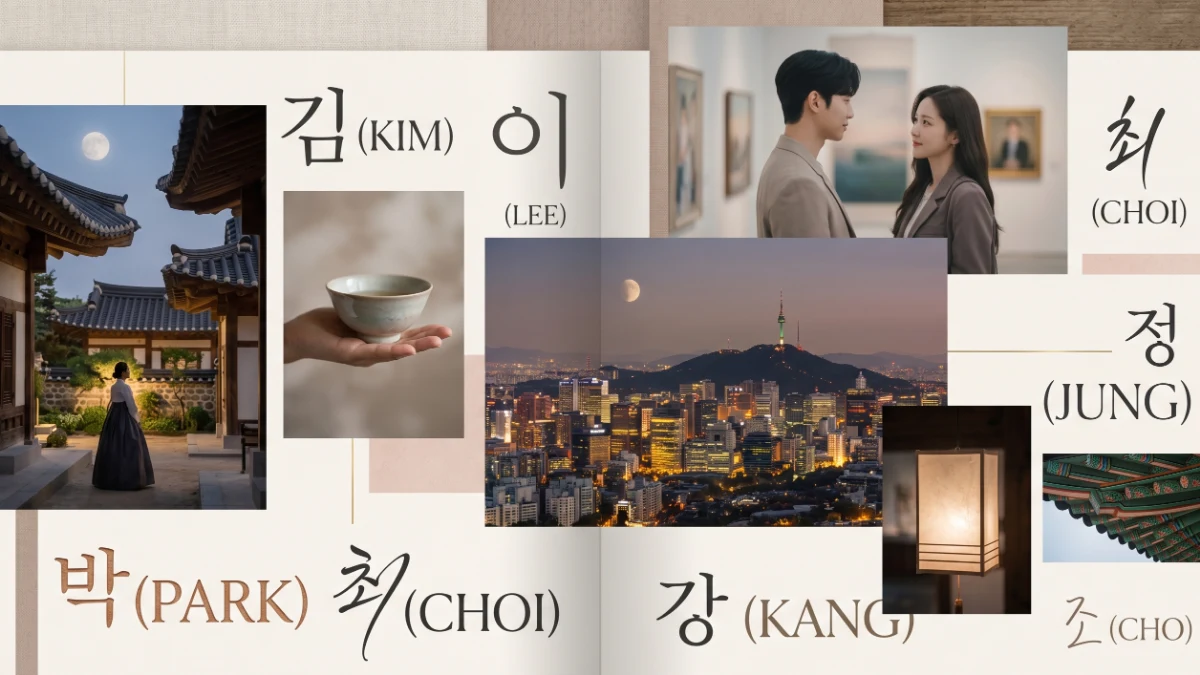
Korean last names carry more than identity; they hold history, ancestry, symbolism, and cultural elegance. Some feel soft and poetic, while others sound powerful, refined, minimalist, or quietly luxurious.
If you’re researching your heritage, writing a character, choosing a Korean inspired surname for gaming or fiction, or simply fascinated by Korean culture, the beauty of Korean family names lies in their emotional depth and timeless simplicity.
Unlike many Western surnames, Korean last names are often short, memorable, and deeply rooted in centuries of lineage traditions. A single syllable can feel royal, cinematic, gentle, mysterious, or strikingly modern.
In K dramas, K pop culture, Korean webtoons, anime fandoms, and even TikTok aesthetics, Korean surnames have become globally recognizable for their sleek sound and emotional resonance. Names like Kim, Park, Choi, and Han instantly create imagery, elegance, quiet confidence, intellect, resilience, or old soul charm.
Featured Snippet
Korean last names are family surnames traditionally placed before the given name in Korean culture. Common Korean surnames include Kim, Lee, Park, Choi, Jung, Kang, and Han. Many Korean family names originate from ancient clans, historical regions, occupations, or symbolic Chinese characters (Hanja), and they often carry meanings connected to strength, virtue, nature, or nobility.
Korean Last Names Overview
| Feature | Details |
| Traditional Structure | Family name comes first |
| Most Common Length | Usually 1 syllable |
| Historical Roots | Clan systems and Hanja origins |
| Popular Global Influence | K dramas, K pop, webtoons |
| Aesthetic Appeal | Minimalist, elegant, strong |
| Common Themes | Nobility, nature, virtue, strength |
| Popular Usage | Real names, fiction, gaming, writing |
Most Popular Korean Last Names
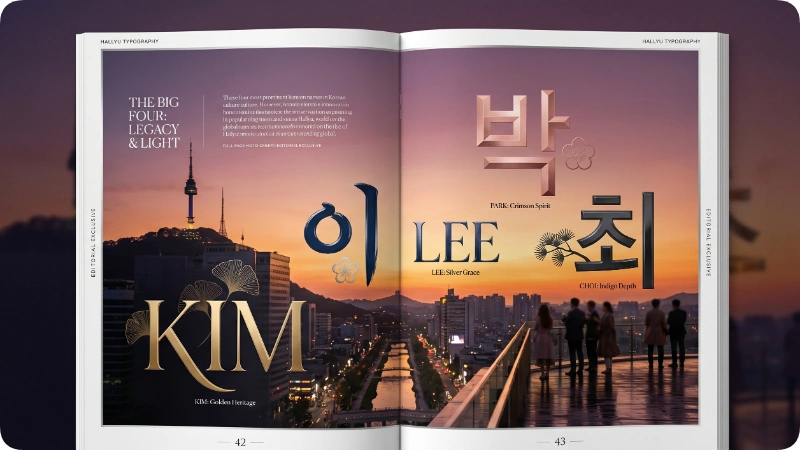
These surnames dominate Korean history and modern culture while remaining globally recognizable.
Kim (김)
One of the most iconic Korean surnames, Kim carries a sleek, polished energy. Traditionally linked to the Hanja meaning “gold,” it feels timeless, influential, and quietly prestigious. In modern culture, Kim has become synonymous with K drama sophistication and K pop celebrity culture.
Vibe: Elegant, elite, classic, powerful
Aesthetic: Luxury minimalism, polished modernity
Lee / Yi (이)
Lee has an intellectual softness balanced by royal history. It’s refined without sounding harsh, making it one of the most versatile Korean surnames emotionally and stylistically.
Vibe: Intelligent, calm, graceful
Aesthetic: Clean academia, understated elegance
Park / Bak (박)
Park feels charismatic and socially magnetic. Historically tied to ancient Korean kingdoms, it has a grounded but confident tone.
Vibe: Warm authority, confidence, charm
Aesthetic: Modern Seoul sophistication
Choi (최)
Choi sounds sharp, stylish, and memorable. It has become especially recognizable through Korean entertainment culture and often feels fashionable and ambitious.
Vibe: Ambitious, chic, dynamic
Aesthetic: Fashion forward urban energy
Jung / Jeong (정)
This surname carries emotional warmth and emotional intelligence. It feels balanced, artistic, and quietly thoughtful.
Vibe: Sensitive, creative, emotionally deep
Aesthetic: Indie film protagonist energy
Han (한)
Han is emotionally powerful because the word itself connects deeply with Korean cultural emotion and resilience. As a surname, it feels poetic and strong at the same time.
Vibe: Quiet strength, emotional depth
Aesthetic: Cinematic melancholy
Elegant Korean Last Names
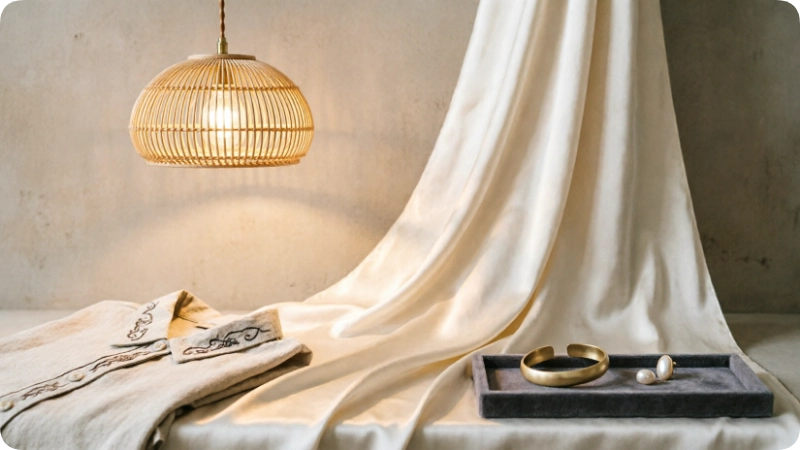
These surnames feel refined, luxurious, and aesthetically beautiful.
Seo (서)
Soft and modern, Seo has become increasingly popular in Korean media because of its clean, graceful sound.
Feels like: Silk, soft rain, minimalist luxury
Yoon (윤)
Yoon sounds polished and artistic. It carries a celebrity like sophistication that works beautifully in modern fiction and branding aesthetics.
Feels like: Quiet confidence and expensive simplicity
Shin (신)
Shin has a cool sharpness without sounding aggressive. It often feels contemporary and effortlessly stylish.
Feels like: Fashion editor energy
Hwang (황)
Historically associated with the meaning “yellow” or “imperial,” Hwang has regal undertones and a commanding sound.
Feels like: Royal elegance and old world prestige
Kwon (권)
Kwon feels strong and balanced, often associated with discipline and leadership.
Feels like: Martial arts mastery and calm authority
Soft and Aesthetic Korean Last Names
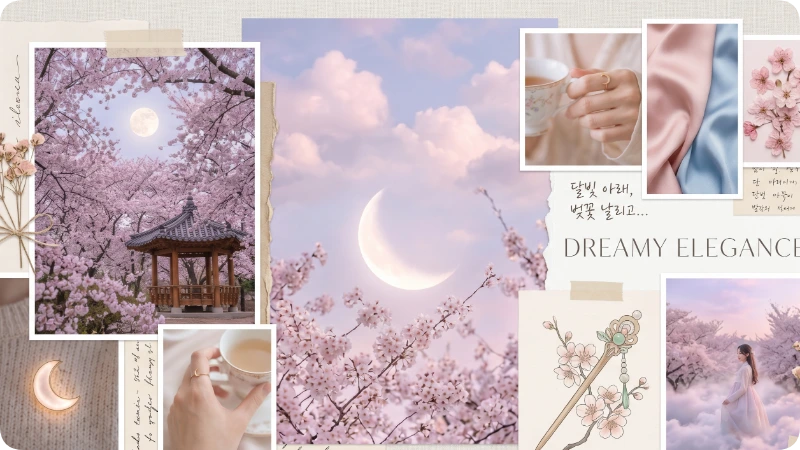
Perfect for writers, creatives, gamers, and fans of dreamy or emotionally gentle aesthetics.
Moon (문)
Moon naturally carries celestial imagery and emotional softness. It feels poetic and cinematic.
Aesthetic: Lunar beauty, midnight elegance
Bae (배)
Short, memorable, and modern, Bae has become internationally recognizable partly because “bae” already exists in internet slang culture.
Aesthetic: Cute modern minimalism
Lim / Im (임)
Gentle and sophisticated, this surname feels emotionally grounded and timeless.
Aesthetic: Soft vintage calm
Joo (주)
Joo has a delicate, melodic sound that works beautifully in romance stories and modern fantasy worlds.
Aesthetic: Dreamy elegance
Na (나)
Minimalist and airy, Na feels stylish in a very Gen Z way.
Aesthetic: Quiet luxury and clean aesthetics
Powerful Korean Last Names

These surnames project leadership, intensity, and cinematic strength.
Kang (강)
Associated with strength and rivers depending on the Hanja, Kang sounds bold and memorable.
Vibe: Warrior energy and resilience
Jang (장)
Jang feels authoritative and traditional while still sounding modern.
Vibe: Strategic, disciplined, commanding
Oh (오)
Simple but impactful, Oh has a cool confidence because of its brevity.
Vibe: Minimalist strength
Baek (백)
Meaning “white” in some Hanja forms, Baek feels sharp, clean, and visually striking.
Vibe: Cold elegance and precision
Ryu (류)
Ryu feels dynamic and cinematic, partly due to martial arts and gaming associations across East Asian media culture.
Vibe: Intense, legendary, fearless
Rare Korean Last Names With Unique Energy
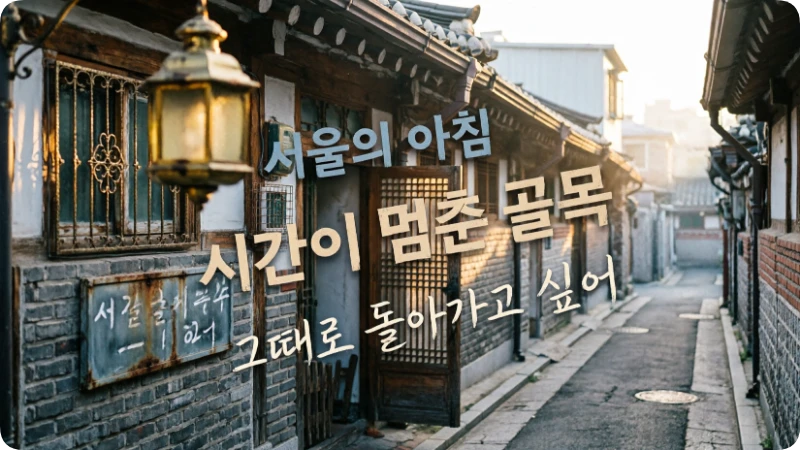
Some Korean surnames are far less common but emotionally memorable.
| Last Name | Emotional Impression | Style Energy |
| Ma | Quiet strength | Vintage simplicity |
| Seok | Intellectual depth | Academic aesthetic |
| Go | Minimalist confidence | Modern chic |
| Byeon | Artistic mystery | Indie sophistication |
| Dong | Grounded masculinity | Traditional energy |
| Chu | Soft charisma | Romantic aesthetic |
| Yong | Mythic power | Fantasy inspired |
Korean Last Names Inspired by K Drama & Pop Culture
Global interest in Korean surnames exploded through entertainment culture.
Names like Kim, Choi, Han, and Seo appear constantly in:
- K dramas
- K pop idol groups
- Korean webtoons
- Korean fantasy novels
- Korean cinema
- Anime inspired fandom spaces
- TikTok character edits
- Pinterest aesthetic boards
Modern audiences often emotionally associate certain surnames with specific archetypes:
| Surname | Common Fictional Impression |
| Kim | Wealthy heir or charismatic lead |
| Han | Emotionally layered protagonist |
| Seo | Elegant female lead |
| Kang | Strong fighter or protector |
| Yoon | Artistic or intellectual character |
| Choi | Stylish trendsetter |
This emotional association matters because many people searching Korean surnames today are not only researching culture they are searching for identity aesthetics, fictional inspiration, gaming personas, pen names, or emotionally resonant online identities.
How Korean Last Names Work
Traditional Korean names usually place the family name first, followed by the personal name.
Example:
- Kim Minji
- Park Jisung
- Choi Yuna
Most Korean surnames are connected to:
- Ancient clans
- Regional origins
- Hanja characters
- Historical lineages
Even though only a relatively small number of surnames exist in Korea, each surname may contain multiple clan branches called bon gwan, which trace ancestral origins to specific regions.
Best Korean Last Names by Aesthetic
Elegant & Luxurious
- Seo
- Yoon
- Hwang
- Shin
- Lee
Soft & Dreamy
- Moon
- Lim
- Na
- Joo
- Bae
Strong & Cinematic
- Kang
- Kwon
- Jang
- Ryu
- Baek
Minimalist & Modern
- Oh
- Go
- Na
- Ma
- Seo
Fantasy or Webtoon Style
- Ryu
- Yong
- Moon
- Han
- Baek
Korean Last Names for Females
In Korean culture, surnames are not gender specific. The same family names are used by both males and females. However, some Korean last names are often perceived as especially elegant, graceful, or feminine because of their sound and popularity in K-dramas, novels, and modern media.
Popular Korean last names for female characters include:
- Seo (서)
- Yoon (윤)
- Moon (문)
- Han (한)
- Shin (신)
- Bae (배)
- Joo (주)
- Lim (임)
- Lee (이)
- Jung (정)
These surnames are frequently associated with intelligent, sophisticated, artistic, or romantic character archetypes in Korean entertainment and fiction.
Korean Last Names for Males
Like female surnames, Korean family names are not assigned by gender. Nevertheless, some surnames are often associated with strong, protective, ambitious, or leadership-oriented male characters in Korean dramas, films, and webtoons.
Popular Korean last names for male characters include:
- Kim (김)
- Kang (강)
- Kwon (권)
- Jang (장)
- Choi (최)
- Park (박)
- Baek (백)
- Ryu (류)
- Oh (오)
- Hwang (황)
These surnames are commonly used for protagonists, athletes, warriors, executives, and influential historical figures.
Korean Last Names Starting With S
Several Korean surnames begin with the letter “S” when written in English. Many of them are known for their elegant sound and strong cultural heritage.
Popular Korean last names starting with S include:
- Seo (서)
- Shin (신)
- Seok (석)
- Song (송)
- Sung (성)
- Sim (심)
Among these, Seo and Shin are especially popular in modern Korean media, while Song and Sim have long historical roots connected to Korean clan traditions.
What are the Top 5 Korean Surnames?
If you look at the census data, over half of the entire Korean population shares just five historical family names. The top 5 Korean surnames ranked by popularity are:
- Kim (김): Making up roughly 21.5% of the population.
- Lee / Yi (이): Comprising around 14.7%.
- Park / Bak (박): Accounting for about 8.4%.
- Choi (최): Holding roughly 4.7%.
- Jung / Jeong (정): Around 4.3%.
Royal Korean Surnames
In ancient Korea, particularly during the Three Kingdoms, Goryeo, and Joseon eras, surnames were a direct symbol of royal bloodlines and ultimate power. If you want a character or gaming identity that feels deeply regal, these are the ultimate royal lineages:
- Lee / Yi (이): Specifically the Jeonju Lee clan, which founded the Joseon Dynasty and ruled Korea for over 500 years.
- Kim (김): The Gyeongju Kim and Gimhae Kim clans ruled the ancient Silla and Gaya kingdoms, making this name deeply intertwined with ancient crowns and golden treasures.
- Wang (왕): The ultimate royal surname of the Goryeo Dynasty. It literally translates to “King.”
- Park (박): Traced back to King Park Hyeokgeose, the mythical founder of the Silla Kingdom who, according to legend, hatched from a cosmic egg.
Korean Last Names With Dark or Intense Meanings
While most Korean names lean toward virtue, peace, and nature, some family names carry an intense, sharp, colder, or mysteriously dark aesthetic due to their Hanja (Chinese character) origins or cinematic vibes:
- Baek (백): Often translates to “White” or “Pure,” but in modern fiction, it is frequently used for cold, calculating, ruthless corporate heirs or anti-heroes.
- Dokgo (독고): A incredibly rare two-syllable surname where the Hanja Dok means “Lonely” or “Solitary”—perfect for dark, mysterious, or tragic protagonists.
- Gwi (귀): An exceptionally rare surname connected to characters meaning “Ghost,” “Spirit,” or “Precious Hidden Thing.”
- Yong (용): Translates to “Dragon.” While noble, it carries a fierce, dangerous, and destructive mythic power.
What is a Korean American Last Name?
When Korean families immigrated to the United States and other Western countries, their traditional surnames underwent an spelling transformation (Anglicization) to fit Western phonetics. A Korean American last name is simply a unique Westernized spelling of a traditional Korean name:
- Rhee / Yi / Yee: These are all Americanized variations of the traditional surname Lee (이).
- Chang / Cheong: Often used in the West as variations of Jang (장) or Jung (정).
- Shin / Sheen: Variations of Shin (신).
- Suh / So: Westernized versions of Seo (서).
- Hyphenated Full Names: In America, many Koreans combine their two-syllable first names with a hyphen (e.g., Min-ji or Ji-sung) to prevent Westerners from confusing their middle names with their first names.
Frequently Asked Questions
Are Korean last names different for males and females?
No. Korean surnames are shared by all family members regardless of gender. Names such as Kim, Lee, Park, and Han can be used by both males and females.
What are some elegant Korean last names for women?
Seo, Yoon, Moon, Shin, Lee, and Jung are often considered elegant because of their soft pronunciation and strong presence in Korean culture.
What are some strong Korean last names for men?
Kang, Kwon, Jang, Baek, Ryu, and Kim are commonly associated with strength, leadership, and resilience.
What are some unique and rare Korean last names?
Aside from the common names, Korea has exceptionally rare surnames held by very few families. Examples include Namgoong (meaning Southern Palace), Hwangbo (Imperial Phoenix), Gae (highly regional lineage), and Jeup (historical agricultural clan).
How do Korean last names and first names work together?
In Korea, the family name always comes first, followed by the given name (e.g., Park Ji-sung). The family name is almost always one syllable, while the given name is traditionally two syllables, creating a perfectly balanced three-syllable full name.
What Korean surnames start with S?
Popular examples include Seo, Shin, Seok, Song, Sung, and Sim.
How to Choose a Korean Last Name
If you’re choosing a Korean surname for fiction, gaming, social media, or creative projects, think beyond meaning alone.
Consider:
- Sound flow
- Emotional tone
- Character personality
- Visual aesthetic
- Cultural appropriateness
- Pronunciation simplicity
- Modern vs traditional feel
For example:
- “Seo” feels polished and romantic
- “Kang” feels protective and intense
- “Moon” feels artistic and celestial
- “Han” feels emotional and cinematic
The emotional texture of a surname changes how people instantly perceive a character or identity online.
Frequently Asked Questions
What is the most common Korean last name?
Kim is the most common Korean surname, followed by Lee and Park.
Why are Korean last names so short?
Most Korean surnames originated from ancient clan systems and traditionally use one Hanja character, creating short and memorable family names.
Are Korean last names connected to meaning?
Yes. Many Korean surnames are linked to Hanja meanings involving nature, strength, virtue, royalty, or geography.
Can non Koreans use Korean last names for characters?
Yes, especially in fiction or gaming, but it’s important to remain culturally respectful and avoid stereotypes.
What Korean last names sound elegant?
Seo, Yoon, Lee, Shin, and Moon are often considered especially elegant and aesthetically pleasing.
Are Korean surnames gendered?
No. Korean family names are shared regardless of gender.
Final Thoughts
Korean last names have a rare balance of simplicity and emotional richness. A single syllable can feel royal, soft, mysterious, artistic, or intensely cinematic. That’s part of their global appeal they sound clean and modern while carrying centuries of history underneath.
If you love Korean culture, want inspiration for storytelling, are building a gaming identity, searching for a meaningful surname, or simply appreciate elegant naming traditions, Korean surnames offer something uniquely timeless.
Some feel like moonlight. Others feel like steel. Some sound like luxury fashion brands, while others feel deeply emotional and poetic. The best Korean last names don’t just identify people they create atmosphere.

Amara uncovers the hidden history, origins, and meanings behind names. She curates Namestylo’s historical, cultural, and baby naming guides to ensure every suggestion carries deep significance. In her free time, she devours historical fiction and mythology.