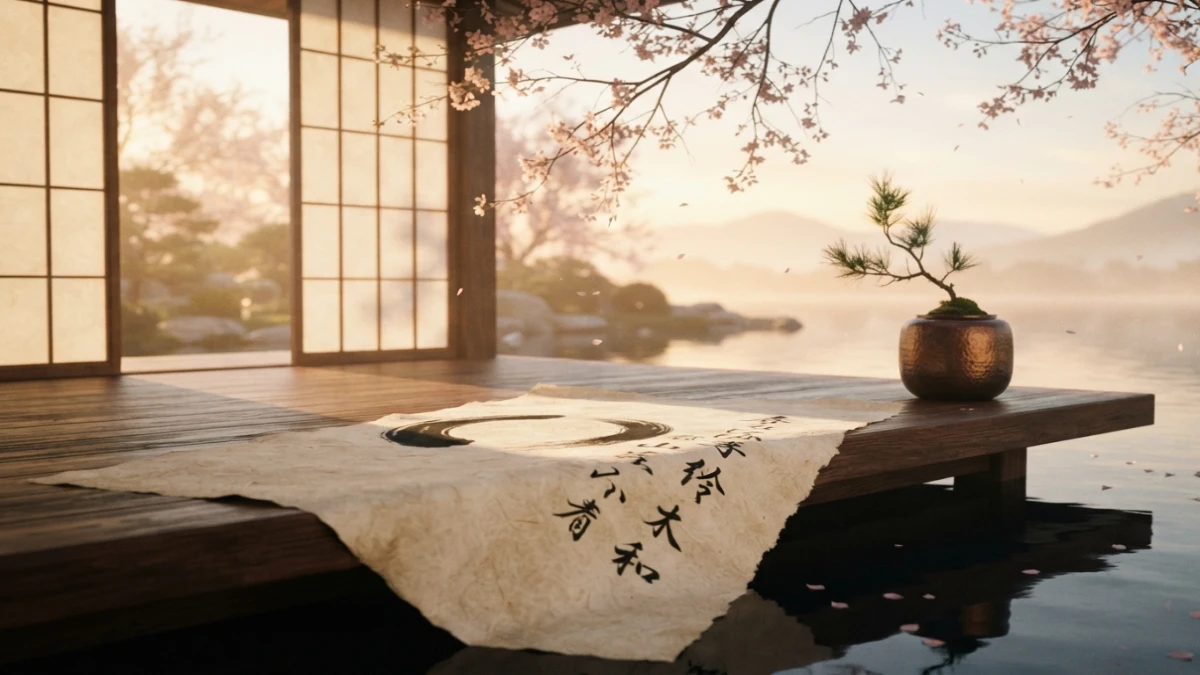
Japanese male names have a remarkable ability to feel both grounded and poetic. A name can evoke the sea, morning light, strength, calmness, wisdom, or the quiet beauty of nature sometimes with just one kanji.
What makes Japanese names especially fascinating is that the same pronunciation can be written with different kanji, changing the meaning and visual character of the name. A name such as Haruto, for example, can be created with different kanji combinations, so choosing the sound is only part of the naming journey.
For parents, writers, gamers, and anyone searching for a name with Japanese character, this guide explores classic, modern, rare, nature inspired, elegant, strong, and distinctive Japanese male names with pronunciation, meanings, personality impressions, and practical naming notes.
Featured answer:
Some widely appealing Japanese male names include Haruto, Minato, Ren, Sora, Itsuki, Ritsu, Aoi, Nagi, Asahi, Rei, Yūto, Kaito, Akira, Hikaru, and Yamato. Modern Japanese naming trends increasingly favor short names, nature imagery, and names with clean, memorable sounds. In 2025, names such as Ao, Minato, Haruto, Asahi, Ren, Nagi, Haru, Sora, and Ritsu appeared prominently in Japanese baby name rankings.
How Japanese male names work
Japanese names are more than a direct translation of a word.
A given name may be written in kanji, and each chosen character contributes semantic meaning. The pronunciation and kanji therefore work together. Some names also use hiragana or other permitted characters, while Japanese naming law regulates which kanji can be used in children’s names. Japan’s Ministry of Justice lists both common use kanji and designated name use kanji as permissible categories.
There is another important modern consideration: since May 26, 2025, furigana the reading of a person’s name has become part of the family register system. The Ministry of Justice states that a submitted reading must generally be recognized as a reading appropriate to the name’s characters, with restrictions against readings that have no meaningful connection to the kanji.
So if you’re choosing a Japanese name for an actual child, don’t select kanji based solely on an attractive English translation. Check the specific kanji, established reading, and cultural usage as a complete combination.
Japanese male names at a glance
| Name | Japanese | Meaning / Kanji idea | Pronunciation | Overall feel |
| Haruto | 陽翔 | sunlight + soar/flight | ha ru to | Bright, optimistic |
| Minato | 湊 | harbor | mi na to | Calm, refined |
| Ren | 蓮 | lotus | ren | Elegant, serene |
| Sora | 空 | sky | so ra | Free, dreamy |
| Itsuki | 樹 | tree | i tsu ki | Grounded, natural |
| Ritsu | 律 | law, order, rhythm | ri tsu | Intelligent, composed |
| Nagi | 凪 | calm sea | na gi | Quiet, modern |
| Asahi | 朝陽 | morning + sunlight | a sa hi | Warm, radiant |
| Haru | 晴 | clear weather | ha ru | Gentle, fresh |
| Ao | 碧 | blue/blue green | a o | Minimal, artistic |
| Kaito | 海斗 | sea + constellation measure | ka i to | Adventurous |
| Akira | 明 | bright, clear | a ki ra | Classic, confident |
| Hikaru | 光 | light | hi ka ru | Luminous, graceful |
| Yamato | 大和 | great harmony; historical name | ya ma to | Strong, traditional |
| Rei | 怜 / 礼 / other kanji | varies by kanji | re i | Sleek, sophisticated |
| Yūto | 優斗 | gentleness + traditional name element | yū to | Kind, polished |
| Sōta | 颯太 | brisk/wind like + great | sō ta | Energetic |
| Itsuki | 樹 | tree | i tsu ki | Natural, timeless |
| Jin | 仁 | benevolence, humanity | jin | Strong, dignified |
| Makoto | 誠 | sincerity | ma ko to | Trustworthy, classic |
Important: a romanized name does not have one universal meaning. The meaning depends on the kanji selected.
25 beautiful Japanese male names to consider
1. Haruto 陽翔
Meaning: With this particular spelling, 陽 conveys sunlight or the sun’s warmth, while 翔 carries the idea of flying or soaring.
Vibe: Bright, ambitious, youthful, optimistic.
Why it stands out: Haruto combines a warm image with movement and aspiration. It feels contemporary without sounding overly experimental.
Style: Modern Japanese
Aesthetic: Sunshine, sky, freedom
Nicknames: Haru
Classic or modern: Modern
Social impression: Friendly and energetic
Haruto has also had remarkable staying power in Japanese naming data: Tamahiyo reports Haruto as the top male name reading for 17 consecutive years in its 2025 survey.
2. Minato 湊
Meaning: Harbor; a place where boats gather.
Vibe: Calm, sophisticated, quietly masculine.
Minato is one of those names where the literal image does much of the emotional work. A harbor suggests shelter, arrival, water, travel, and home.
Style: Modern classic
Aesthetic: Coastal, serene, cinematic
Nicknames: Mina, Minato
Classic or modern: Modern with traditional vocabulary roots
Social impression: Gentle and composed
Minato ranked highly in recent Japanese baby name surveys; it was No. 2 in Tamahiyo’s 2025 overall boy name ranking and No. 1 in Akachan Honpo’s 2025 ranking.
3. Ren 蓮
Meaning: Lotus.
Vibe: Quiet beauty, purity, elegance.
The lotus is a long established cultural and religious symbol across Asia, including Buddhism, but it is important not to assume that every person named Ren is being given an explicitly religious name. In modern naming, 蓮 is also simply a beautiful nature based kanji.
Style: Minimalist classic
Aesthetic: Zen, botanical, elegant
Nicknames: Usually unnecessary
Social impression: Refined and understated
Ren ranked fifth in Tamahiyo’s 2025 overall boy name ranking.
4. Sora 空
Meaning: Sky.
Vibe: Open, imaginative, independent.
Sora is particularly appealing if you want a name that feels airy rather than forceful. It works beautifully for a character who is adventurous, thoughtful, artistic, or free spirited.
Style: Modern nature name
Aesthetic: Sky, clouds, freedom
Nicknames: Usually Sora
Social impression: Creative and approachable
5. Itsuki 樹
Meaning: Tree.
Vibe: Grounded, patient, dependable.
樹 gives Itsuki a strong natural image. Trees can suggest growth and rootedness, but those are aesthetic interpretations, not additional dictionary meanings of the kanji.
Style: Modern nature classic
Aesthetic: Forest, earth, growth
Nicknames: Itsu
Social impression: Calm and dependable
Itsuki has also shown notable longevity in Japanese baby name rankings, appearing in Tamahiyo’s rankings across many years.
6. Ritsu 律
Meaning: Law, rule, regulation; the character can also carry musical/rhythmic associations depending on context.
Vibe: Intelligent, disciplined, elegant.
Ritsu is particularly attractive if you want something short and distinctive without inventing an unusual reading.
Style: Refined modern
Aesthetic: Intellectual, minimalist
Social impression: Serious but stylish
Ritsu was among the top 10 overall boy names in Tamahiyo’s 2025 data.
7. Nagi 凪
Meaning: A calm or windless condition at sea.
Vibe: Peaceful, emotionally soft, contemporary.
Nagi has the kind of meaning that feels almost cinematic: a moment when the wind settles and the sea becomes still.
Style: Contemporary
Aesthetic: Ocean, silence, tranquility
Social impression: Artistic and gentle
Nagi ranked seventh in Tamahiyo’s 2025 boy name ranking.
8. Asahi 朝陽
Meaning: Morning + sunlight.
Vibe: Warm, hopeful, radiant.
Asahi feels especially evocative because it paints an entire scene rather than describing a single personality trait: morning light arriving at the beginning of a new day.
Style: Modern poetic
Aesthetic: Sunrise, warmth, renewal
Social impression: Positive and approachable
Asahi rose to fourth place in Tamahiyo’s 2025 boy name ranking.
9. Haru 晴
Meaning: Clear weather; becoming clear.
Vibe: Soft, sunny, effortlessly modern.
Haru is short enough to feel international while retaining a distinctly Japanese character.
Style: Minimalist
Aesthetic: Sunshine, springlike freshness
Social impression: Gentle and youthful
The name 晴 rose notably in Tamahiyo’s 2025 ranking, reaching eighth place from 18th the previous year.
10. Ao 碧
Meaning: A blue or blue green color; the character is also associated with blue green stone.
Vibe: Cool, artistic, rare feeling.
Ao is almost impossibly clean as a name: two sounds, one character, and a strong visual color association.
Style: Ultra modern minimalist
Aesthetic: Blue, ocean, glass, sky
Social impression: Artistic and fashion forward
Tamahiyo ranked 碧/Ao first among boys in its 2025 overall name ranking, making it one of the clearest examples of the current attraction to short, nature and color associated names.
11. Kaito 海斗
Meaning: 海 means sea; 斗 is traditionally the name of an ancient volume measure and is also used in personal names.
Vibe: Adventurous and energetic.
The emotional association with the sea is straightforward, while the second kanji contributes a traditional naming character.
Style: Modern Japanese
Aesthetic: Ocean, adventure, night sky
Social impression: Confident and youthful
12. Akira 明
Meaning: Bright, clear.
Vibe: Intelligent, capable, timeless.
Akira has unusual versatility. It can feel traditional, sophisticated, artistic, or contemporary depending on the person and the kanji.
Style: Classic
Aesthetic: Light, clarity, intelligence
Social impression: Confident and memorable
13. Hikaru 光
Meaning: Light, radiance.
Vibe: Luminous, gentle, artistic.
Hikaru has an elegant softness while still feeling distinctly masculine in many naming contexts. It is also familiar internationally because of Japanese literature, entertainment, and popular culture.
Style: Classic modern
Aesthetic: Light, stars, brilliance
Social impression: Artistic and charismatic
14. Yamato 大和
Meaning: 大 means great/large; 和 means harmony/peace. 大和 also has a deep historical and cultural association with Japan.
Vibe: Strong, traditional, dignified.
Yamato is much more culturally loaded than a simple modern nature name. It can evoke historical Japan, traditional identity, and classical imagery.
Style: Traditional
Aesthetic: Heritage, history, strength
Social impression: Formal and distinctly Japanese
For a real child, research the cultural context of Yamato before choosing it specifically for its “Japan” association.
15. Rei 怜
Meaning: With 怜, the character is associated with wisdom, intelligence, or perceptiveness.
Vibe: Sleek, elegant, restrained.
Rei is an excellent choice for someone drawn to short Japanese names that don’t feel childish.
Style: Minimalist luxury
Aesthetic: Clean, sophisticated, quiet
Social impression: Intelligent and composed
Remember that Rei is not one fixed meaning. Different kanji can produce different meanings.
16. Yūto 優斗
Meaning: 優 conveys gentleness, kindness, or excellence; 斗 is a traditional name element.
Vibe: Kind, polished, dependable.
Yūto has a softer emotional profile than many strong sounding Japanese male names.
Style: Contemporary classic
Aesthetic: Warm, balanced
Social impression: Friendly and reliable
17. Sōta 颯太
Meaning: 颯 conveys the sound or movement of brisk wind; 太 means big or great.
Vibe: Energetic, lively, athletic.
The name has movement built into its imagery, making it especially appealing for parents who want a dynamic rather than serene nature association.
18. Jin 仁
Meaning: Benevolence, humanity, compassion.
Vibe: Strong through character rather than force.
仁 has an important place in East Asian ethical vocabulary, especially through Confucian thought, where benevolence/humaneness is a major virtue.
Style: Classical
Aesthetic: Dignity, virtue, restraint
Social impression: Serious and honorable19. Makoto 誠
Meaning: Sincerity, truthfulness.
Vibe: Trustworthy, mature, quietly powerful.
Makoto is a particularly good choice if you want a name whose emotional center is character and integrity rather than nature imagery.
Style: Traditional classic
Aesthetic: Sincerity, dignity
Social impression: Dependable and mature
20. Yūma 悠真
Meaning: 悠 suggests calmness, leisure, or enduring spaciousness; 真 means true or genuine.
Vibe: Thoughtful, gentle, steady.
It has the feeling of someone who is unhurried but purposeful.
21. Riku 陸
Meaning: Land, shore, mainland.
Vibe: Strong, earthy, outdoorsy.
Riku provides a nice alternative to the many Japanese names built around sky, light, and water.
22. Sō 颯
Meaning: Brisk wind or a swift, fresh movement of air.
Vibe: Sharp, energetic, modern.
One character names like Sō fit the current preference for compact Japanese names particularly well.
23. Subaru 昴
Meaning: The Pleiades star cluster.
Vibe: Celestial, mysterious, distinctive.
Subaru is one of the most interesting options for someone who wants a Japanese male name with an astronomical association.
Aesthetic: Stars, night sky, mythology inspired astronomy
Social impression: Unusual and memorable
24. Kōki 光希
Meaning: 光 means light; 希 means hope or wish.
Vibe: Bright, hopeful, youthful.
This is a good example of how kanji combinations can create a broader emotional message than either character alone.
25. Shōta 翔太
Meaning: 翔 conveys flying or soaring; 太 means big/great.
Vibe: Energetic, optimistic, athletic.
翔 has been particularly prominent in contemporary Japanese boys’ naming. Tamahiyo ranked 翔 as the No. 1 kanji used in boys’ names in 2025, for the sixth consecutive year in its survey.
Best Japanese male names by personality and aesthetic
Sometimes the meaning isn’t enough. You may already know the feeling you want.
For a calm and peaceful boy
Consider:
- Nagi calm sea
- Minato harbor
- Ren lotus
- Haru clear weather
- Itsuki tree
- Yūma calm + true
These names feel gentle without becoming overly delicate.
For a strong and masculine feel
Consider:
- Yamato
- Jin
- Riku
- Kaito
- Sōta
- Shōta
- Akira
Strength in Japanese naming does not always require a “warrior” meaning. A name can communicate strength through ideas such as integrity, stability, greatness, or rootedness.
For a mysterious or sophisticated feel
Consider:
- Rei
- Ritsu
- Subaru
- Ren
- Akira
- Hikaru
These have a polished quality that works especially well for fictional characters and creative projects.
For a nature inspired name
Consider:
- Ao blue/blue green
- Sora sky
- Nagi calm sea
- Minato harbor
- Ren lotus
- Itsuki tree
- Riku land
- Haru clear weather
- Asahi morning sunlight
Nature is a particularly strong contemporary naming theme. In Tamahiyo’s 2025 results, names evoking blue, sky, sunlight, and calm natural scenes were prominent among boys.
Japanese male names with a luxury feel
If by “luxury” you mean a name that feels polished, restrained, and expensive rather than flashy, look for short sounds and elegant kanji.
| Name | Luxury impression | Why |
| Rei | Very high | Short, refined, versatile |
| Ren | Very high | Minimal and elegant |
| Ritsu | High | Intellectual and distinctive |
| Hikaru | High | Luminous and artistic |
| Akira | High | Established and sophisticated |
| Subaru | High | Celestial association |
| Jin | High | Classical virtue |
| Minato | High | Soft, polished imagery |
This is an aesthetic interpretation, not a traditional Japanese classification of names as “luxury.”
Japanese male names that feel modern
Recent naming data shows a strong appetite for compact names, nature imagery, and memorable sounds. Tamahiyo specifically noted the growth of one character and short names in its 2025 naming discussion.
Some especially contemporary choices are:
Ao · Nagi · Ritsu · Haru · Ren · Sora · Rei · Minato · Riku · Sō
One character names are particularly striking visually, while two or three mora names often remain easy to say.
Japanese male names that feel classic
For a more timeless direction:
Akira · Makoto · Jin · Yamato · Hikaru · Ren · Riku
Classic does not necessarily mean old fashioned. Several names can occupy both worlds, becoming traditional or contemporary depending on the kanji, age of the person, and social context.
Japanese male names inspired by the sky and stars
If you’re drawn to celestial imagery, consider:
- Sora 空: sky
- Subaru 昴: Pleiades
- Hikaru 光: light
- Asahi 朝陽: morning sunlight
- Haruto 陽翔: sunlight + soaring
- Ao 碧: blue/blue green
- Kōki 光希: light + hope
These names are especially appealing for fictional characters because they create an immediate visual atmosphere.
Japanese male names inspired by water and the sea
Water themed names often feel emotionally calm but visually expansive.
| Name | Kanji | Core image | Emotional vibe |
| Minato | 湊 | Harbor | Safe, composed |
| Nagi | 凪 | Calm sea | Peaceful |
| Kaito | 海斗 | Sea | Adventurous |
| Sora | 空 | Sky | Free |
| Riku | 陸 | Land | Grounded |
| Ao | 碧 | Blue/blue green | Cool, artistic |
For a particularly gentle combination of meaning and sound, Minato and Nagi stand out.
Japanese male names with powerful meanings
Power doesn’t have to mean violence. Names can feel powerful through virtue, clarity, movement, or scale.
Jin 仁: benevolence
Makoto 誠: sincerity
Akira 明: brightness/clarity
Yamato 大和: great + harmony
Riku 陸: land
Shōta 翔太: soaring + great
Sōta 颯太: brisk wind + great
For an emotionally mature name, Makoto and Jin offer strength through character. For a more energetic modern feel, Shōta and Sōta have greater movement.
Japanese male names influenced by anime, manga, and games
Japanese names naturally appear throughout anime, manga, games, novels, and film, so popular culture can influence how international audiences perceive certain names.
But there is an important distinction:
A name can be genuinely Japanese without being an “anime name.”
Names such as Akira, Ren, Rei, Sora, Hikaru, Haru, Kaito, and Riku may appear frequently in fiction because they are usable Japanese names not because they were invented for anime.
For a real baby, it is usually wiser to choose the name and kanji first, then consider fictional associations afterward. For a fictional character, however, those associations can be useful shorthand for genre, age, personality, and atmosphere.
How to choose between Japanese names with similar vibes
Imagine you’re choosing between Ren, Nagi, and Minato.
Ren feels minimal and elegant.
Nagi feels peaceful and atmospheric.
Minato feels warmer and more grounded.
Or compare Sora, Ao, and Subaru:
Sora feels open and dreamy.
Ao feels artistic and ultra modern.
Subaru feels celestial and distinctive.
The “best” name depends less on a universal ranking and more on the emotional identity you want the name to carry.
Japanese male names: meaning vs. aesthetic interpretation
This distinction matters.
| Attribute | What it means |
| Kanji meaning | A linguistic meaning associated with the character |
| Name meaning | The meaning created by the selected kanji combination |
| Pronunciation | How the name is read |
| Emotional vibe | Editorial interpretation of the name’s sound/image |
| Personality | A subjective naming impression, not a prediction |
| Lucky number | Numerological tradition or modern naming practice, not an objective property |
| Lucky color | Cultural/astrological/numerological interpretation, not inherent to the name |
| Zodiac association | Depends on the person’s birth date, not the name itself |
For example, calling Nagi “peaceful” is a reasonable aesthetic interpretation because 凪 denotes a calm sea condition. Saying that every person named Nagi will have a peaceful personality would not be justified.
Lucky numbers, colors, gemstones, and zodiac signs
Many international baby name websites attach lucky numbers, colors, stones, weekdays, or zodiac signs to names. These can be fun if you enjoy numerology or astrology, but they should not be presented as intrinsic Japanese meanings.
A Japanese name does not automatically have a traditional “lucky color” or “lucky gemstone.”
If you’re creating a naming profile for personal or fictional use, you can assign symbolic attributes separately:
| Name | Optional modern symbolic palette |
| Ao | Blue; sapphire like imagery |
| Nagi | Sea green; moonstone like imagery |
| Ren | White; lotus inspired imagery |
| Sora | Sky blue; aquamarine like imagery |
| Subaru | Midnight blue; star/sapphire imagery |
| Asahi | Gold; sunstone like imagery |
| Itsuki | Forest green; jade like imagery |
These are creative associations, not verified Japanese naming traditions.
Likewise, numerology values vary by system, so there is no single authoritative “lucky number” for a Japanese name.
Naming trends in Japan: what feels current?
The 2025 data offers a useful snapshot.
Tamahiyo’s survey of 166,011 babies found that boys’ leading names included 碧 (Ao), 湊 (Minato), 陽翔 (Haruto), 朝陽 (Asahi), 蓮 (Ren), 結翔 (Yuito), 凪 (Nagi), 晴 (Haru), 蒼空 (Sora), and 律 (Ritsu).
The same survey found that when choosing a name, parents most frequently prioritized:
- The sound or reading of the name
- The meaning of the kanji
- Stroke count
The sound/reading was selected by 68.2% of respondents, while kanji meaning was selected by 51.3%.
That tells us something useful: contemporary Japanese naming is not simply about finding an impressive kanji. How a name sounds matters enormously.
Akachan Honpo’s 2025 ranking similarly highlighted one character names and nature associated names such as 碧 and 凪, while noting the continuing popularity of 翔. (アカチャンホンポ)
2025 trend snapshot
A few patterns stand out:
Short names are strong.
Names such as Ao, Ren, Nagi, Haru, and Ritsu have a clean visual and phonetic quality.
Nature is everywhere.
Sky, sea, blue, sunlight, trees, and calm water are recurring images.
翔 remains influential.
The kanji 翔 appeared at No. 1 among boys’ name kanji in Tamahiyo’s 2025 survey.
Sound matters.
Haruto has maintained remarkable popularity as a reading, ranking first in Tamahiyo’s boys’ reading rankings for 17 consecutive years.
Gender neutral sounds are increasingly visible.
Tamahiyo’s 2025 gender neutral reading rankings included Sena, Aoi, Hinata, Haru, and Tsumugi.
Choosing a Japanese male name for a baby
If this is for a real child, use a slightly different process from choosing a character name.
Start with the sound
Say the name aloud with the family surname.
Does it flow naturally?
Does the rhythm feel comfortable?
Can relatives and teachers pronounce it reasonably?
Then choose the kanji
Once you love the sound, examine possible kanji combinations.
Don’t choose a kanji merely because an online name dictionary assigns it a beautiful English word. Check what the character actually means and how the full combination is conventionally read.
Check the reading
This is particularly important under Japan’s current furigana rules. The Ministry of Justice states that name readings must generally be recognized as appropriate readings for the characters, with documentation potentially required for certain established but nonstandard readings.
Say the full name repeatedly
Try it:
- softly
- formally
- shouted across a playground
- introduced at a ceremony
- written on an application
- spoken by an older relative
A beautiful name should still feel comfortable in ordinary life.
Choosing a Japanese name for a fictional character
Character naming works differently.
You can prioritize:
- personality
- historical period
- region
- family background
- genre
- symbolism
- visual aesthetics
- sound
- memorable romanization
For an anime inspired fantasy character, Ren, Rei, Sora, Subaru, Nagi, or Hikaru may create a very different atmosphere from Yamato, Makoto, Jin, or Akira.
But avoid assuming that a name automatically tells the reader everything about a character. In realistic Japanese fiction, names should fit the character’s age, setting, and family context.
Sibling compatibility
If you already have children, think about If the names feel like they belong to the same family without becoming overly coordinated.
Soft nature set
Ren + Sora + Nagi
Beautifully atmospheric, but all three have a poetic/nature quality.
Classic set
Akira + Makoto + Jin
More traditional in emotional character and less dependent on nature imagery.
Modern set
Ao + Haru + Ritsu
Short, clean, contemporary.
Ocean and sky set
Minato + Sora + Nagi
A strong thematic relationship, although it may feel intentionally coordinated.
The goal is usually cohesion rather than matching.
Names that work well internationally
If the child will grow up outside Japan, pronunciation and spelling may matter almost as much as meaning.
Names such as Ren, Rei, Sora, Haru, Riku, Akira, and Kai/Kaito can be comparatively approachable for international audiences, although ease of pronunciation varies by language.
For a Japanese family living abroad, however, cultural usability should be considered alongside international ease. A name doesn’t need to be simplified simply because it is Japanese.
Quick comparison: which name fits your aesthetic?
| If you want… | Consider |
| Calm | Nagi, Minato, Ren |
| Bright | Asahi, Haruto, Hikaru |
| Minimalist | Ao, Rei, Ren, Ritsu |
| Nature | Itsuki, Sora, Riku, Nagi |
| Ocean | Minato, Kaito, Nagi |
| Sky | Sora, Haruto |
| Stars | Subaru |
| Traditional strength | Yamato, Jin, Makoto |
| Modern energy | Haruto, Sōta, Shōta |
| Elegant | Ren, Rei, Hikaru |
| Artistic | Ao, Sora, Hikaru |
| Intellectual | Ritsu, Rei, Akira |
| Gentle | Haru, Yūto, Minato |
| Distinctive | Ao, Subaru, Nagi |
Frequently asked questions
What is the most popular Japanese male name?
There is no single universal ranking because different organizations survey different populations and use different methodologies. In Tamahiyo’s 2025 survey, 碧 (Ao) ranked first among boys’ overall names, while Haruto ranked first among boys’ readings. Akachan Honpo’s 2025 ranking placed Minato (湊) first.
What are some rare Japanese male names?
For a distinctive modern feel, consider Ao, Subaru, Ritsu, Nagi, Rei, and Sō. “Rare” should be treated carefully, however: a name can feel unusual internationally while being familiar in Japan.
What Japanese male name means “light”?
Hikaru (光) directly uses 光, meaning light. Akira (明) can convey brightness or clarity, while Asahi (朝陽) combines morning and sunlight in the selected kanji.
What Japanese male name means “sky”?
Sora (空) is the straightforward choice when written with 空, meaning sky.
What Japanese male name means “lotus”?
Ren (蓮) uses 蓮, the kanji for lotus.
What Japanese male name means “calm”?
Nagi (凪) is particularly evocative because 凪 describes calm or windless conditions at sea.
Is Ren a Japanese boy name?
Yes. Ren (蓮) is a well established Japanese male given name. Other kanji can also be read Ren, so the exact meaning depends on the spelling.
Is Sora a boy’s name in Japan?
Yes. Sora is used as a male given name, although Japanese naming can include names and readings that are not rigidly confined to Western style gender categories.
Is Haru a Japanese boy name?
Yes. Haru is used for boys, and it can be written with different kanji. 晴, for example, carries the meaning of clear weather.
Are Japanese names based on zodiac signs?
Not inherently. A person’s Japanese name does not automatically receive a zodiac sign. Zodiac, astrology, and numerology can be layered onto a naming profile as personal or spiritual systems, but they should not be confused with the linguistic meaning of the name.
Can I choose any kanji for a Japanese name?
No. Japanese law specifies characters that may be used in children’s names. The Ministry of Justice provides lists of common use and designated name use kanji.
Can a Japanese name have an unusual reading?
Some names historically have unusual readings, but current family register rules place limits on readings that are not generally recognized as appropriate to the characters. The Ministry of Justice gives examples of readings that would not be accepted because the connection to the kanji is absent or socially inappropriate.
Final thoughts
The most beautiful Japanese male names rarely need to shout.
Ren carries the quiet elegance of a lotus.
Minato suggests a harbor and a place of arrival.
Nagi captures a sea suddenly becoming still.
Sora opens into the sky.
Ao reduces an entire color world to one striking character.
Asahi feels like the first light of morning.
Itsuki stands firmly like a tree.
Ritsu feels precise and intelligent.
Subaru looks toward the stars.
And that is perhaps the greatest appeal of Japanese naming: a name can be compact while carrying an entire image.
When choosing one, start with the feeling you want the name to leave behind. Then check the pronunciation, kanji, cultural context, and everyday usability. The strongest choice is not necessarily the rarest or most dramatic it is the one whose sound, written form, meaning, and emotional character all feel right together.

Amara uncovers the hidden history, origins, and meanings behind names. She curates Namestylo’s historical, cultural, and baby naming guides to ensure every suggestion carries deep significance. In her free time, she devours historical fiction and mythology.